
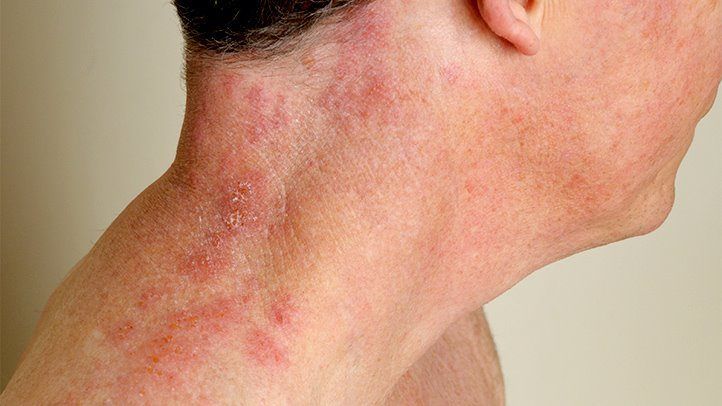


Shingles is a condition that often catches people off guard. You might have heard of it, but how much do you really know? This viral infection can lead to painful rashes and discomfort, making daily life challenging for those affected. But what if you’re worried about spreading the virus? Understanding shingles is vital not just for your health but also for protecting those around you. Let’s dive into the world of shingles—what causes it, its symptoms, and whether or not it’s contagious. Your peace of mind starts here!
What Causes Shingles?
Shingles is caused by the varicella-zoster virus, the same virus responsible for chickenpox. Once a person recovers from chickenpox, the virus doesn’t entirely leave the body. Instead, it lies dormant in nerve tissues.
Several factors can reactivate this dormant virus later in life. Stress is a significant trigger, as it weakens the immune system. Illness or any condition that compromises immunity can also increase vulnerability to shingles.
Age plays a crucial role too. Older adults are at greater risk due to natural declines in immune function.
Additionally, certain medications like immunosuppressants may pave the way for an outbreak. Understanding these causes helps raise awareness and encourages preventive measures against this painful condition.
Symptoms of Shingles and How it Spreads
Shingles often starts with a tingling or burning sensation on one side of the body. This discomfort can occur days before any visible signs appear.
Soon after, a red rash emerges, typically in a band-like pattern. The rash develops into fluid-filled blisters that eventually crust over.
It’s important to note how shingles spreads. While you can’t contract shingles from someone who has it, you can catch chickenpox if you’re not already immune. This is because the varicella-zoster virus leads to both conditions.
Direct contact with the blister fluid poses the highest risk for transmission. Once the blisters have crusted over, however, they are no longer contagious. Understanding these symptoms and transmission methods is crucial for managing exposure effectively.
Is Shingles Contagious?
Shingles is often a source of confusion regarding its contagious nature. The virus responsible for shingles, varicella-zoster, can be spread, but not in the way many might think.
If someone has shingles, they can’t pass it directly to another person. However, that individual can transmit the chickenpox virus to someone who hasn’t been infected before. This typically occurs through direct contact with the rash or blisters of an active shingles outbreak.
It’s important to note that only individuals who have never had chickenpox are at risk. For those who already had chickenpox or received the vaccine, exposure to shingles poses minimal threat.
In public spaces or around vulnerable individuals—like pregnant women or immunocompromised people—caution should still be exercised during an outbreak. Understanding how shingles spreads helps in managing interactions effectively and preventing any potential risks.
Ways to Prevent the Spread of Shingles
Preventing the spread of shingles is key to protecting others, especially those who may be vulnerable. First and foremost, cover any rash or blisters with a bandage. This simple step can help reduce the risk of transmitting the virus.
Good hygiene practices are essential. Wash your hands frequently and avoid touching the rash. If you do touch it, make sure to clean your hands right after.
Avoid close contact with pregnant women, infants, and individuals with weakened immune systems until all lesions have crusted over. These groups are at higher risk for complications if exposed.
It’s wise to refrain from sharing personal items like towels or utensils during an active outbreak. Keeping these items separate helps minimize potential exposure to the virus.
Consider vaccination as a preventive measure if you’re over 50 years old. The shingles vaccine significantly reduces your chances of developing shingles and spreading it to others.
Treatment Options for Shingles
Treatment for shingles focuses on alleviating symptoms and speeding up recovery. Antiviral medications, like acyclovir or valacyclovir, are typically prescribed. These can reduce the severity of the outbreak if taken within 72 hours of symptom onset.
Pain relief is crucial as well. Over-the-counter pain relievers such as ibuprofen or acetaminophen can help manage discomfort. For more severe cases, doctors may recommend stronger prescription painkillers.
Topical treatments also play a role in treatment. Calamine lotion or capsaicin cream might soothe itchy rashes and provide relief from irritation.
Additionally, corticosteroids may be used to combat inflammation and reduce swelling in some patients. It’s essential to consult with a healthcare provider to tailor treatment plans based on individual health needs and circumstances.
Complementary therapies like cool compresses or oatmeal baths can further alleviate itching and promote comfort during recovery.
The Importance of Knowing if Someone Has Shingles
Understanding whether someone has shingles is crucial for several reasons. Shingles can lead to complications, especially in vulnerable populations such as the elderly or those with weakened immune systems.
When you know that a person has shingles, you can take necessary precautions. This includes avoiding close contact and ensuring proper hygiene practices are followed. Awareness helps reduce the risk of transmitting the varicella-zoster virus.
Moreover, knowing about shingles can encourage others to seek vaccination if they haven’t already done so. The vaccine significantly lowers the chances of developing shingles later in life.
Additionally, open communication about health conditions fosters a supportive environment where people feel comfortable discussing their concerns. It also helps dispel myths surrounding contagiousness and promotes understanding of how the virus works.
Being informed empowers individuals to make educated decisions regarding their health and well-being while protecting others around them.
Conclusion
Understanding whether shingles is contagious can provide peace of mind and inform decision-making when it comes to health. Shingles, while not directly spread from person to person, can indeed lead to chickenpox in someone who hasn’t had it or hasn’t been vaccinated. Recognizing the symptoms early and knowing how shingles spreads are crucial for preventing transmission.
Preventative measures, such as vaccination and practicing good hygiene, play a vital role in protecting yourself and others. Treatment options vary but should be discussed with a healthcare provider to ensure the best approach for managing symptoms.
Being aware if someone has shingles helps those around them take necessary precautions. Information is power when dealing with contagious diseases like this one. The more you know about shingles — its causes, symptoms, prevention methods, and treatment — the better equipped you’ll be to handle any situation that arises related to this condition. Stay informed and proactive about your health!