
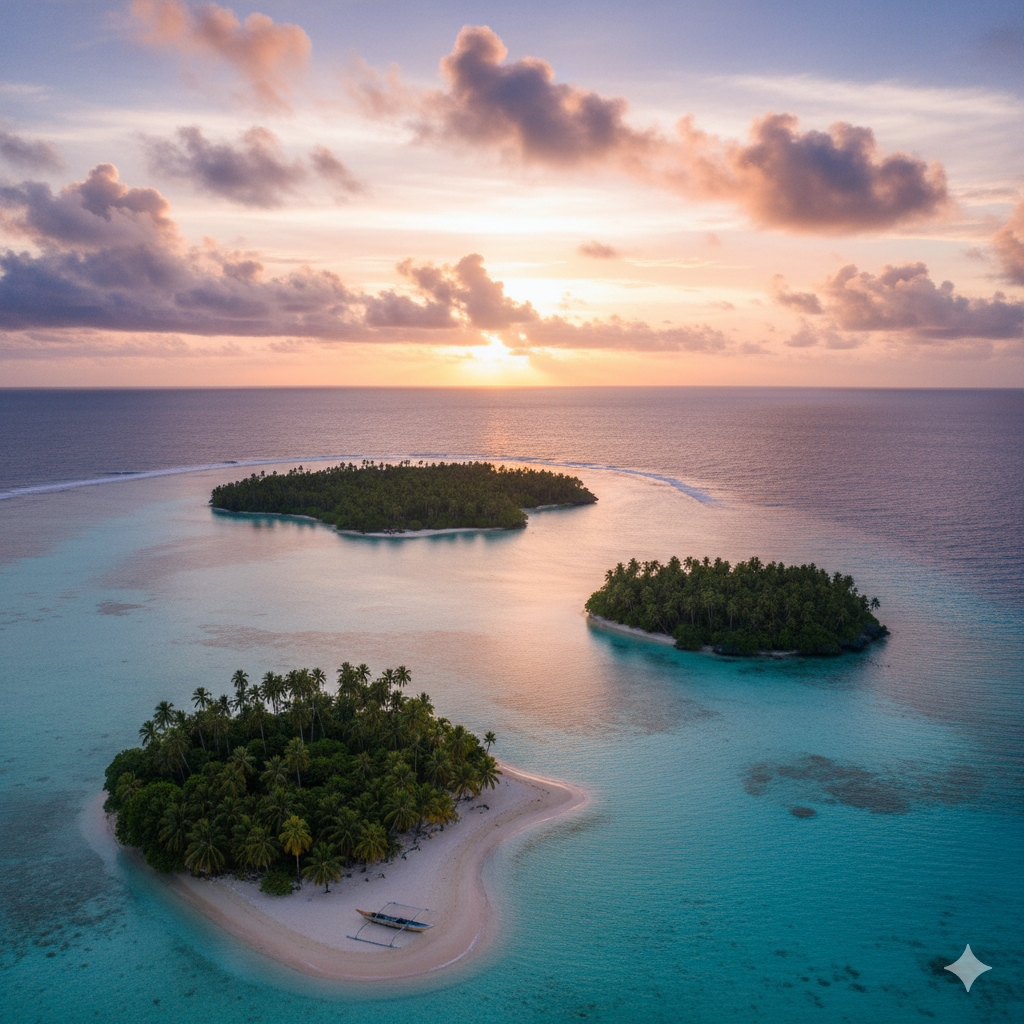


Nestled in the heart of the Pacific Ocean, Micronesia is an enchanting blend of culture, history, and breathtaking natural beauty. With over 600 islands to explore, this mesmerizing region often flies under the radar for travelers seeking adventure off the beaten path. From vibrant coral reefs teeming with marine life to rich cultural traditions that have thrived for centuries, Micronesia offers a unique experience that captivates visitors.
Whether you’re a seasoned traveler or someone looking for your next getaway, understanding what makes Micronesia special will inspire you to pack your bags. Join us on this journey as we dive into its history and culture, geography and climate, languages spoken throughout the archipelago, economic landscape, tourism attractions, delicious cuisine options—and much more! Get ready to discover why Micronesia deserves a spot on every travel enthusiast’s bucket list.
The History and Culture of Micronesia
Micronesia’s history is as vast as its oceanic landscapes. This region, made up of over 600 islands, has been inhabited for thousands of years by diverse groups. The ancestors of today’s Micronesians navigated across the Pacific using stars and currents, showcasing remarkable seafaring skills.
Culturally rich, Micronesia blends ancient traditions with modern influences. Each island group boasts unique customs, dances, and art forms that reflect their heritage. Traditional weaving and carving are celebrated crafts passed down through generations.
Social structures in Micronesia often revolve around clan systems. Community plays a vital role in daily life, emphasizing collective well-being over individualism. Festivals celebrating harvests or historical events create vibrant gatherings full of song and dance.
The arrival of European explorers brought significant change to these islands. Colonial histories shaped today’s political landscape while also intertwining new cultural practices with indigenous ones.
Geography and Climate of Micronesia
Micronesia is a mesmerizing archipelago located in the western Pacific Ocean. It consists of over 600 islands, spread across more than two million square miles of ocean. This vast expanse creates diverse landscapes and unique ecosystems.
The geography varies from lush volcanic islands to flat coral atolls. Each island offers its own charm, adorned with pristine beaches, dense jungles, and vibrant marine life. The natural beauty is truly captivating.
When it comes to climate, Micronesia enjoys a tropical maritime environment. Expect warm temperatures year-round, averaging between 75°F to 90°F (24°C to 32°C). Rainfall can be abundant during certain months but often leads to splendid sun-filled days afterward.
This region also experiences seasonal trade winds that help regulate the weather patterns. Cyclones can occur occasionally but are not frequent visitors here, allowing for plenty of sunny adventures on land and sea!
Languages Spoken in Micronesia
Micronesia is a linguistic tapestry woven with diverse languages. The region boasts over 20 distinct languages, reflecting its rich cultural heritage.
The most widely spoken language is Chuukese, prevalent in the state of Chuuk. This language serves as a primary means of communication for many locals.
In addition to Chuukese, Pohnpeian and Kosraean are significant in their respective states. Each language has unique dialects that vary from island to island.
English holds an official status and is commonly used in government and education. It acts as a bridge between various cultures within Micronesia.
Other noteworthy languages include Yapese and Ulithian, showcasing the area’s ethnic diversity. This variety enriches daily life and fosters deep connections among communities.
Language plays a vital role in preserving traditions. Through storytelling, rituals, and songs, these tongues keep ancient practices alive for future generations.
Economy and Industries in Micronesia
Micronesia’s economy is primarily based on a mix of agriculture, fishing, and tourism. The fertile lands provide opportunities for cultivating crops like taro and coconut. These staples are vital to local diets and trade.
Fishing plays an essential role as well. With abundant marine resources surrounding the islands, many communities rely heavily on this industry. Tuna is especially significant, driving both domestic consumption and export revenues.
Tourism has seen growth in recent years thanks to Micronesia’s stunning natural beauty and rich culture. Visitors flock to explore pristine beaches, vibrant coral reefs, and historical sites.
However, challenges persist due to limited infrastructure and reliance on imports for various goods. Efforts are underway to diversify the economy beyond traditional sectors while maintaining sustainable practices that protect the unique environment of Micronesia.
Tourism in Micronesia
Tourism in Micronesia offers a unique blend of adventure and cultural experiences. With its pristine beaches, vibrant coral reefs, and lush landscapes, it’s an outdoor enthusiast’s paradise.
Diving is particularly popular here. The crystal-clear waters host some of the most spectacular marine life. Dive sites like Chuuk Lagoon are famous for their shipwrecks from World War II.
Cultural immersion is another highlight. Visitors can engage with local traditions through festivals, dances, and handicrafts. Each island showcases its distinct heritage.
Ecotourism is on the rise as well. Travelers are encouraged to explore nature trails and protected areas while respecting the environment.
The warm hospitality of locals adds charm to every visit. Whether you’re hiking up volcanic peaks or relaxing by turquoise lagoons, there’s always something new to discover in this tropical paradise.
Traditional Cuisine of Micronesia
Micronesian cuisine reflects the rich cultural tapestry of the islands. Fresh seafood is a staple, thanks to the surrounding waters teeming with fish. Dishes often feature grilled or raw fish seasoned with local ingredients.
Coconut plays a central role in many recipes. It’s used in various forms—milk, oil, and grated flesh—to add flavor and texture.
Root vegetables like taro and yam are common side dishes. These are usually boiled or mashed, providing a hearty complement to main meals.
Unique methods of cooking such as underground ovens known as “umu” enhance flavors while keeping food moist. This traditional technique showcases communal eating experiences among families and friends.
Fruits like breadfruit and papaya also find their way onto tables, offering natural sweetness that balances savory dishes. Every meal tells a story of Micronesia’s heritage through its vibrant flavors and time-honored practices.
Important Landmarks and Attractions in Micronesia
Micronesia is home to a diverse array of landmarks that showcase its rich history and natural beauty. The ancient stone monoliths of Nan Madol, known as the “Venice of the Pacific,” are an engineering marvel. These structures sit on a lagoon in Pohnpei, offering insight into the region’s pre-colonial culture.
The WWII relics scattered across various islands tell stories of bravery and resilience. From sunken ships to abandoned bunkers, they provide a haunting glimpse into Micronesia’s past conflicts.
For nature lovers, the pristine beaches and vibrant coral reefs are simply breathtaking. Places like Chuuk Lagoon offer some of the best diving experiences in the world.
Don’t miss out on Sokehs Rock in Pohnpei either; it stands majestically over lush landscapes, perfect for hiking enthusiasts seeking adventure mixed with stunning vistas.
Challenges and Issues Facing Micronesia
Micronesia faces several pressing challenges that impact its communities and environment. Climate change poses a significant threat, with rising sea levels endangering coastal villages and ecosystems. The islands are particularly vulnerable to natural disasters like typhoons, which can devastate infrastructure.
Economic dependency on external aid complicates growth prospects. Many local industries struggle to thrive in the global market, leading to high unemployment rates. This reliance creates a cycle of financial instability and limits development opportunities.
Additionally, health issues such as diabetes and obesity are prevalent due to lifestyle changes and limited access to healthcare services. Education systems also face hurdles; limited resources hinder students’ potential for academic success.
Cultural preservation is another concern as globalization influences traditional lifestyles. Balancing modernity while maintaining cultural heritage presents ongoing challenges for future generations in Micronesia’s diverse society.
Conclusion: Why You Should Visit and Learn About Micrones
Micronesia is a hidden gem in the vast expanse of the Pacific Ocean. Its rich culture, stunning landscapes, and vibrant communities make it an intriguing destination for travelers seeking something off the beaten path.
Exploring Micronesia means immersing yourself in its unique traditions and history. Every island has stories to tell—from ancient legends to modern-day challenges facing its people. The geography offers everything from breathtaking beaches to lush forests, ideal for adventurers and those simply looking to relax.
The culinary scene is just as diverse as its islands; you’ll find flavors that reflect centuries of tradition mixed with contemporary influences. Don’t miss out on trying local dishes that are both delicious and meaningful.
Tourism plays a vital role in supporting Micronesia’s economy while allowing visitors to appreciate its natural beauty and cultural heritage. However, it’s essential also to be aware of the issues impacting this region—from climate change threats to economic development challenges.
Traveling here not only broadens your horizons but also allows you to contribute positively by respecting local customs and supporting sustainable tourism practices.
Visiting Micronesia isn’t just about ticking destinations off your list; it’s about creating connections with a community steeped in resilience and spirit. Take the opportunity—explore this enchanting part of our world before it becomes too well-known!