
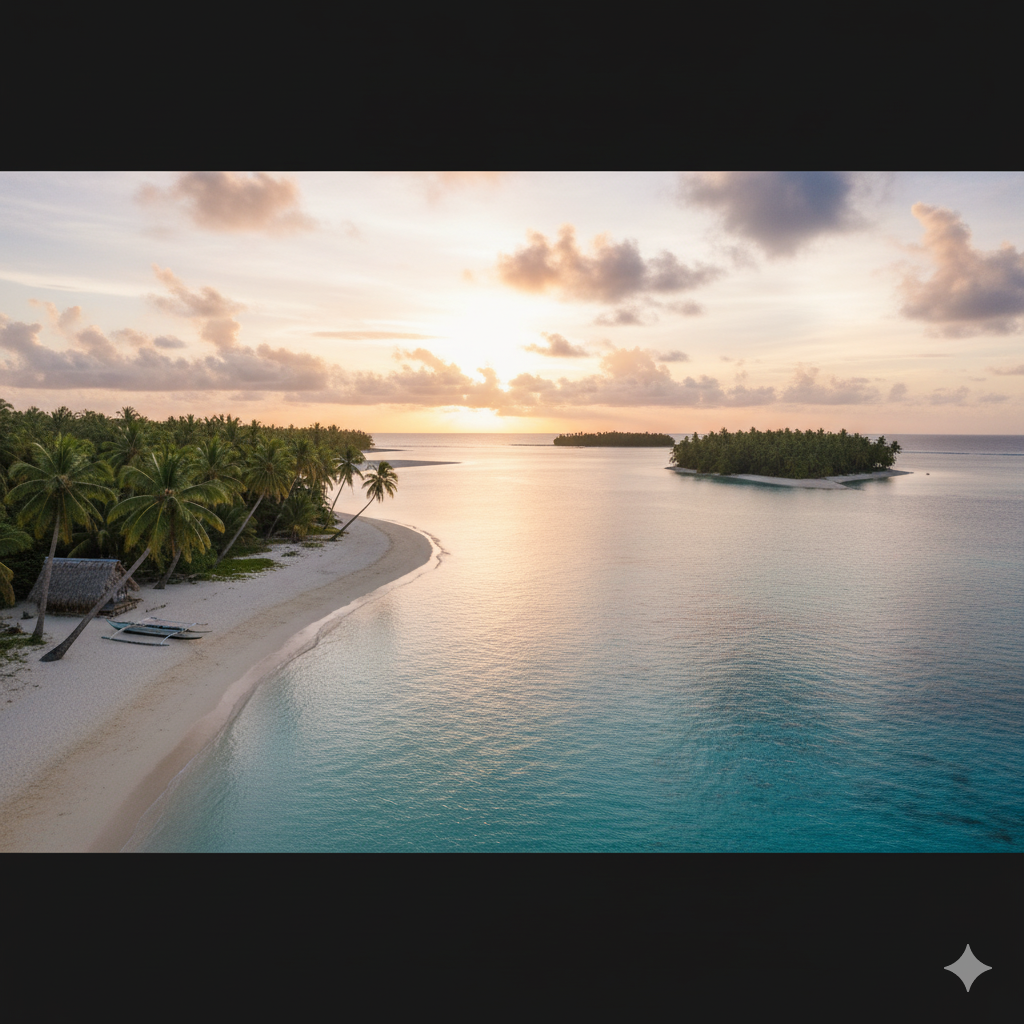


Welcome to the enchanting world of Kiribati, a hidden gem in the heart of the Pacific Ocean. This unique island nation is often overlooked by travelers, yet it offers breathtaking landscapes and rich cultural experiences that are truly unforgettable. Picture pristine beaches adorned with swaying palms, vibrant coral reefs teeming with marine life, and warm-hearted locals eager to share their traditions. Whether you’re an adventurer seeking new experiences or simply looking for a serene escape from daily life, Kiribati has something special just for you. Join us as we dive deeper into what makes this remarkable destination so captivating!
History and Culture of Kiribati
The history of Kiribati is rich and complex. The islands were first settled over 3,000 years ago by Austronesian peoples who brought their unique traditions and customs. They developed a distinct culture closely tied to the ocean.
Kiribati’s culture reflects its seafaring heritage. Traditional practices like fishing, weaving, and dancing remain vital today. Songs and stories passed down through generations showcase community values and ancestral connections.
During colonial times, Kiribati experienced significant changes under British rule in the 19th century. This period introduced new governance structures while also challenging traditional ways of life.
After gaining independence in 1979, Kiribati embraced its cultural identity with renewed vigor. Festivals celebrating music, dance, and art play an essential role in everyday life. Local crafts highlight the skillful artistry that has been preserved across centuries.
The people of Kiribati are known for their hospitality; visitors often feel welcomed into this vibrant tapestry of tradition and modernity.
Geography and Climate of Kiribati
Kiribati is a nation composed of 33 islands scattered across the central Pacific Ocean. These islands stretch over an impressive 3.5 million square kilometers, yet their total land area is just about 811 square kilometers. This unique distribution makes Kiribati one of the most dispersed countries in the world.
Each island varies in size and form, with some being atolls formed by coral reefs. The highest point on any island barely rises above sea level, making these lands particularly vulnerable to rising ocean levels.
The climate here is tropical, characterized by warm temperatures year-round and distinct wet and dry seasons. Humidity can be high, especially during the rainy season from November to March.
While sunlight bathes these islands for much of the year, occasional storms can bring heavy rainfall and strong winds that impact daily life significantly.
Unique Features of Kiribati
Kiribati is a tapestry of unique features that set it apart from other Pacific nations. The archipelago consists of 33 islands, spread over vast oceanic expanses, making it one of the most dispersed countries in the world.
One remarkable aspect is its position straddling the equator and the International Date Line. This geographical oddity allows visitors to experience two different days in just one trip.
The culture here is vibrant and deeply rooted in tradition. Traditional dances, known as “meke,” showcase elaborate storytelling through movement, providing insights into Kiribati’s rich heritage.
A fascinating natural feature is the abundant marine life surrounding these islands. From colorful coral reefs to diverse fish species, snorkeling or diving reveals an underwater paradise that captivates nature lovers.
Kiribati’s commitment to sustainability shines through its initiatives aimed at preserving both its environment and cultural identity amidst global changes.
Economy and Tourism in Kiribati
Kiribati’s economy is primarily driven by subsistence agriculture and fishing. Many locals depend on these traditional practices for their daily needs. The ocean serves as a vital resource, providing food and income.
Tourism plays an essential role in the country’s economy as well. Visitors are attracted to its stunning coral reefs, pristine beaches, and vibrant marine life. Eco-tourism has gained popularity among those wanting to experience Kiribati’s natural beauty.
However, the tourism infrastructure remains limited. Accommodations range from basic lodges to guesthouses managed by local families. This creates an intimate atmosphere that allows travelers to connect with the culture intimately.
Government initiatives aim to promote sustainable tourism while protecting the environment. Local artisans often sell handmade crafts at markets, giving tourists a taste of authentic Kiribati culture and supporting small businesses within communities.
Challenges Faced by Kiribati
Kiribati faces significant challenges primarily due to its low-lying geography. Rising sea levels threaten to submerge many of its islands, putting communities at risk. This situation is urgent and alarming.
The nation also grapples with limited freshwater resources. Droughts can lead to water scarcity, impacting daily life and agriculture. Communities must navigate these hardships while adapting their lifestyles.
Economic constraints further complicate matters. With a reliance on fishing and agriculture, external market fluctuations deeply affect the local economy. Job opportunities are scarce, pushing many young people to seek work abroad.
Additionally, Kiribati struggles with health issues related to climate change. Increasing temperatures contribute to diseases that affect vulnerable populations more severely than others.
These multifaceted challenges highlight the resilience of the people of Kiribati as they confront environmental and economic realities head-on.
Conclusion: Why You Should Visit Kiribati
Kiribati offers a blend of untouched beauty and rich culture that captivates every traveler. With its stunning coral atolls, vibrant marine life, and warm hospitality, it’s an ideal destination for those seeking tranquility away from the bustling tourist spots. The unique way of life here presents a rare glimpse into traditional Pacific Islander customs.
Visitors can explore pristine beaches, engage with local communities, or enjoy activities like snorkeling and fishing in crystal-clear waters. The breathtaking sunsets create memories that last a lifetime.
Beyond its natural wonders lies the chance to contribute positively. Sustainable tourism is important in Kiribati as it helps protect this fragile environment while supporting local economies.
Whether you are looking for adventure or relaxation, Kiribati beckons with open arms. This hidden gem provides experiences unlike any other place on Earth—making it worth discovering for yourself.
[…] A Comprehensive Guide to Understanding kiribati […]