
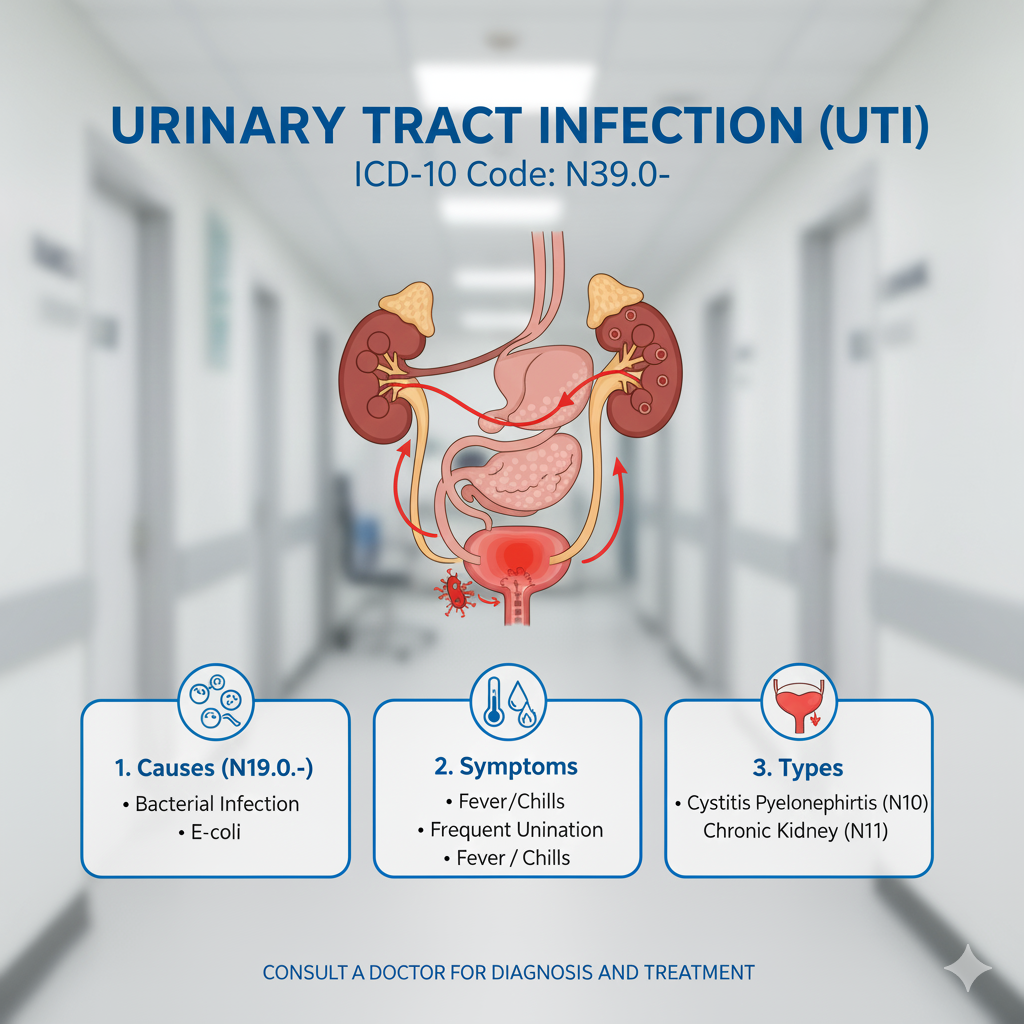


Urinary tract infections, or UTIs, are common yet often misunderstood medical conditions. They can affect anyone but tend to be more prevalent in women. Knowing how to identify and code a UTI properly is essential for healthcare providers, especially when it comes to billing and patient care. That’s where the ICD-10 coding system steps in.
In this comprehensive guide, we will dive deep into understanding ICD-10 codes related to UTIs. By mastering these codes, healthcare professionals can enhance their practice’s efficiency while ensuring accurate diagnoses and treatments for patients suffering from urinary tract infections. Whether you’re a seasoned coder or just starting out in the world of medical billing, there’s something here for everyone interested in the nuances of ICD-10 UTI coding!
What is a UTI and how is it diagnosed?
A UTI, or urinary tract infection, is an infection that occurs in the urinary system. This includes the bladder, urethra, kidneys, and ureters. UTIs are typically caused by bacteria entering the urinary tract.
Symptoms can vary but often include a burning sensation during urination, frequent urges to urinate, cloudy urine, and sometimes pelvic pain. In some cases, individuals may experience fever or chills if the infection spreads to the kidneys.
Diagnosing a UTI usually begins with a healthcare provider taking a detailed medical history and discussing symptoms. A urine sample is then collected for analysis. The sample helps identify any bacteria present as well as other indicators of infection like white blood cells or nitrates.
In certain situations, imaging tests may be recommended to rule out abnormalities in the urinary tract that could contribute to recurrent infections.
Understanding the ICD-10 coding system
The ICD-10 coding system, or the International Classification of Diseases, 10th Revision, is a medical classification list by the World Health Organization. It serves as a universal language for healthcare providers around the globe.
This system categorizes diseases and health-related issues into specific codes. Each code represents a unique diagnosis, allowing for standardized data collection and analysis.
For urinary tract infections (UTIs), accurate coding is essential. The right ICD-10 code helps track prevalence and treatment effectiveness.
Moreover, it aids in billing processes to ensure healthcare providers are reimbursed correctly for their services.
Understanding this system can enhance communication among practitioners while improving patient care outcomes through precise documentation of health conditions.
Common codes for UTIs in different organs
When it comes to coding urinary tract infections (UTIs), specificity is key. Different organs involved in the infection each have their own unique ICD-10 codes.
For instance, a simple cystitis affecting the bladder is coded as N30.0. This code captures uncomplicated cases effectively.
If the infection extends to the kidneys, you’ll use N10 for acute pyelonephritis. This reflects a more serious condition that often requires different treatment protocols.
In situations of recurrent UTIs, additional codes may apply, such as N39.0 for unspecified UTI or those categorized by specific organ involvement like urethritis with code N34.9.
Accurate coding ensures appropriate management and tracking of these infections across healthcare systems, impacting both patient care and billing processes significantly. Being aware of these details can greatly enhance diagnosis accuracy and treatment pathways in clinical settings.
Guidelines for coding recurrent UTIs
When coding recurrent UTIs, it’s essential to document the frequency and nature of these infections. Clinicians must specify how often episodes occur within a year to ensure accurate coding.
ICD-10 provides specific codes for recurrent urinary tract infections. Each code may vary based on whether it’s uncomplicated or complicated. For instance, understanding the difference impacts treatment options and patient management strategies.
Keep in mind that underlying conditions can complicate recurrence. Always review the patient’s medical history thoroughly before assigning codes.
If a patient has chronic kidney disease or diabetes, this should be noted as it affects both diagnosis and treatment plans.
Accurate documentation is crucial for proper reimbursement from insurance providers. Clear records enhance communication among healthcare professionals too, ensuring better patient outcomes over time.
Special considerations for complicated UTIs
Complicated urinary tract infections (UTIs) require a nuanced approach to diagnosis and treatment. These cases often involve underlying conditions or anatomical abnormalities that can make management more challenging.
Clinicians must recognize the signs of complications, such as persistent symptoms despite antibiotic therapy. Patients with diabetes, kidney stones, or structural abnormalities are at heightened risk for complicated UTIs.
Proper coding in the ICD-10 system is essential for accurately capturing these complexities. It helps ensure appropriate reimbursement and reflects the severity of the patient’s condition.
When encountering recurrent UTIs or those resistant to standard treatments, healthcare providers should consider further diagnostic testing. This may include imaging studies or urological evaluations to assess any contributing factors.
Timely intervention not only aids in effective treatment but also reduces long-term health risks associated with untreated complications from UTIs. Proper documentation is crucial for tracking outcomes and improving future care strategies.
Importance of accurate coding for UTIs
Accurate coding for UTIs is crucial for several reasons. First, it ensures proper treatment and management of the condition. Healthcare providers rely on accurate data to make informed decisions about patient care.
Additionally, precise coding affects billing processes. Insurers depend on correct codes to approve claims and reimburse providers accordingly. Errors in coding can lead to denied claims or delayed payments, creating financial stress for healthcare facilities.
Moreover, accurate UTI coding contributes to public health statistics. This data helps identify trends and inform research efforts aimed at combating urinary tract infections more effectively.
Improving accuracy fosters better communication among healthcare professionals. When everyone understands the specific nature of a patient’s condition through clear coding, collaboration becomes seamless—and ultimately enhances patient outcomes.
Resources for learning more about ICD-10 and UTIs
For those eager to delve deeper into ICD-10 and UTIs, numerous resources are available. Websites like the World Health Organization (WHO) provide comprehensive insights on health coding standards.
The American Academy of Family Physicians offers valuable guidelines tailored for practitioners. Their materials can simplify complex coding scenarios.
Online courses from reputable institutions can also enhance your understanding. Platforms like Coursera or Udemy frequently update their content to reflect current practices in medical coding.
Additionally, forums and communities such as AAPC offer an interactive space for professionals to exchange knowledge and experiences related to UTI coding challenges.
Podcasts dedicated to healthcare topics often feature episodes focused on ICD-10 updates. These audio resources allow you to learn while commuting or during breaks at work.
Books specifically addressing ICD-10 might also be beneficial, providing detailed examples and case studies that illustrate practical applications in real-world settings.
Conclusion
Understanding ICD-10 UTI codes is essential for healthcare professionals and medical billers. Accurate coding not only ensures proper reimbursement but also enhances patient care by capturing the complexity of urinary tract infections. By familiarizing yourself with the diagnostic criteria, common codes, and guidelines for recurrent or complicated cases, you can navigate this critical area of health documentation with confidence.
Utilizing available resources further empowers your knowledge base, helping to ensure that your coding practices align with current standards. Staying updated on changes in ICD-10 coding related to UTIs will help maintain compliance while improving overall efficiency in medical billing processes.
As you continue to explore the world of ICD-10 coding, particularly concerning UTIs, remember that precision matters. Each code plays a vital role in understanding patient conditions and ensuring they receive appropriate treatment. Embrace this learning journey as an opportunity to refine your skills and contribute positively to healthcare outcomes.