
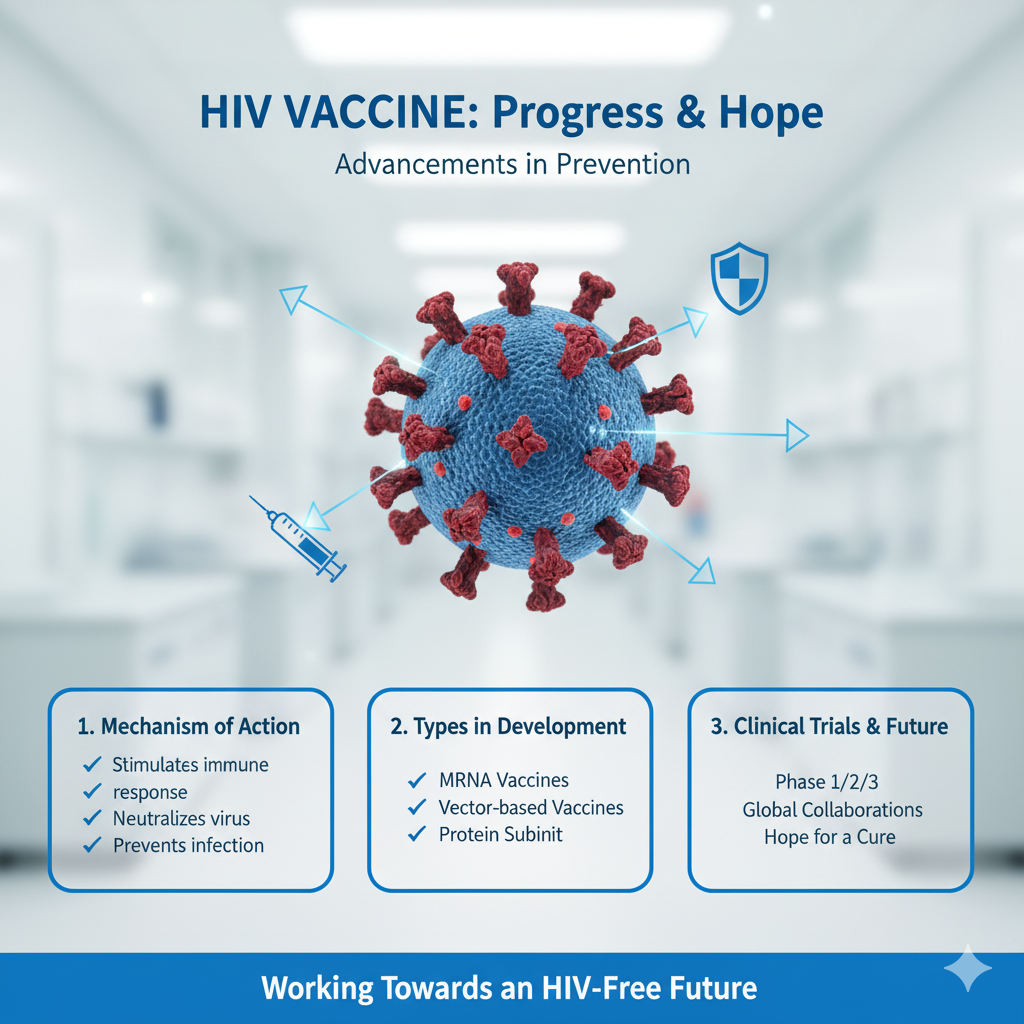


HIV, or Human Immunodeficiency Virus, has been a formidable foe since it emerged in the late 20th century. Millions around the globe are affected by this virus, which attacks the immune system and can lead to AIDS if left untreated. While antiretroviral therapy has transformed HIV from a death sentence into a manageable chronic condition for many, the quest for an effective vaccine remains one of the most significant challenges in modern medicine.
The urgency for an HIV vaccine is palpable. A successful vaccine could provide long-lasting immunity and potentially eradicate new infections worldwide. The road to developing such a vaccine has been fraught with obstacles but also marked by remarkable advances in science and technology. As researchers continue their relentless pursuit, understanding where we stand today is crucial.
Join us as we navigate through the intricate landscape of HIV vaccines—from historical efforts to current advancements—and explore what lies ahead in our fight against this global health crisis.
History of HIV vaccine development
The quest for an HIV vaccine began in the early 1980s, shortly after the virus was identified. Researchers quickly realized that a vaccine could be pivotal in controlling this global epidemic.
Initial efforts focused on understanding the virus’s structure and behavior. Early trials proved challenging due to HIV’s ability to mutate rapidly. These mutations made it difficult for vaccines targeting specific strains to remain effective.
By the late 1990s, more structured approaches emerged. The RV144 trial in Thailand marked a significant milestone, showing modest efficacy and sparking renewed hope.
As research progressed into the 2000s, scientific collaborations expanded globally. Various platforms including mRNA technology gained attention as potential solutions in recent years.
Today, scientists are testing numerous innovative candidates while building upon past experiences and lessons learned from earlier studies.
Types of HIV vaccines currently in development
Researchers are exploring several types of HIV vaccines to combat this persistent virus. Among the most promising approaches is the prophylactic vaccine, designed to prevent infection before it occurs. These vaccines often aim to trigger a robust immune response against HIV.
Another type under investigation is therapeutic vaccines. Unlike their prophylactic counterparts, these aim to improve outcomes for individuals already living with HIV. They seek to enhance the body’s ability to control and manage the virus.
DNA-based vaccines have gained traction as well. They work by delivering genetic material that instructs cells in the body on how to produce proteins related to HIV, prompting an immune reaction without introducing live viruses.
Additionally, mRNA technology has emerged as a revolutionary tool in vaccine development. This approach uses messenger RNA strands that guide cells in producing harmless pieces of the virus, stimulating an immune response similar to natural infections.
Challenges and setbacks in developing an effective vaccine
Developing an effective HIV vaccine is fraught with challenges. One of the biggest hurdles is the virus’s ability to mutate rapidly. This constant evolution makes it difficult for researchers to create a vaccine that provides long-lasting immunity.
Another challenge lies in the complexity of the immune response required to combat HIV. Unlike many other viruses, HIV attacks and disables key components of the immune system itself, complicating efforts to trigger a protective response.
Funding also plays a crucial role in research progression. Many promising studies struggle due to limited financial resources or shifting priorities within organizations and governments.
Regulatory hurdles can delay clinical trials as well. Each stage requires rigorous testing and approval processes, often leading to lengthy timelines before any potential breakthrough reaches participants.
These factors contribute significantly to why developing a successful HIV vaccine remains elusive while emphasizing ongoing dedication and innovation within scientific communities.
Progress and potential breakthroughs in HIV vaccine research
Recent advancements in HIV vaccine research have sparked new hope among scientists and advocates alike. Innovative approaches, such as mRNA technology, are being explored to elicit robust immune responses against the virus.
One promising candidate is the use of mosaic vaccines. These are designed to target multiple strains of HIV simultaneously, enhancing their effectiveness across diverse populations. Early clinical trials have shown encouraging results, demonstrating potential for broader protection.
Additionally, researchers are investigating broadly neutralizing antibodies (bNAbs). These unique proteins could provide a powerful defense by targeting specific vulnerabilities in the virus’s structure.
Collaboration between organizations and countries has accelerated progress. Sharing data and resources enables faster development timelines while fostering innovation. With ongoing trials exploring various strategies, the landscape of HIV vaccine research continues to evolve dynamically. Each breakthrough brings us closer to a viable solution that could make history in combating this global health challenge.
The importance of education and prevention in the fight against HIV
Education plays a crucial role in the fight against HIV. Understanding how the virus spreads can empower individuals to take proactive steps toward their health.
Prevention strategies are essential. Methods like safe sex practices and regular testing help reduce transmission rates significantly. When people know their status, they can make informed choices.
Community outreach programs also matter. They raise awareness and dispel myths about HIV, fostering acceptance rather than stigma. This creates an environment where individuals feel comfortable seeking help and support.
Youth education is especially vital. Teaching younger generations about sexual health ensures they grow up with accurate knowledge and tools to protect themselves.
The combination of education and prevention lays a strong foundation for combating HIV effectively. As more people become informed, we move closer to ending new infections altogether, creating healthier communities along the way.
Conclusion: Looking towards a future with an effective HIV vaccine
The journey towards an effective HIV vaccine has been long and fraught with challenges, yet hope remains. The resilience of researchers is commendable; they continue to explore innovative avenues in vaccine development. Each small step brings us closer to the ultimate goal.
Education plays a crucial role as we navigate this path. Awareness about prevention methods can significantly reduce transmission rates while we await breakthroughs in vaccination technology. The community’s involvement and advocacy are essential components of this fight against HIV.
As scientists push forward, new research tools and methodologies offer promising insights into the virus’s complexities. With ongoing studies examining diverse approaches, optimism is warranted for future developments.
While hurdles remain, collaboration across disciplines holds immense potential for rapid progress. A world where individuals are protected from HIV through vaccination could be within reach soon. Embracing education alongside scientific advancements may pave the way toward not just managing but potentially eradicating this devastating virus from our lives altogether.