
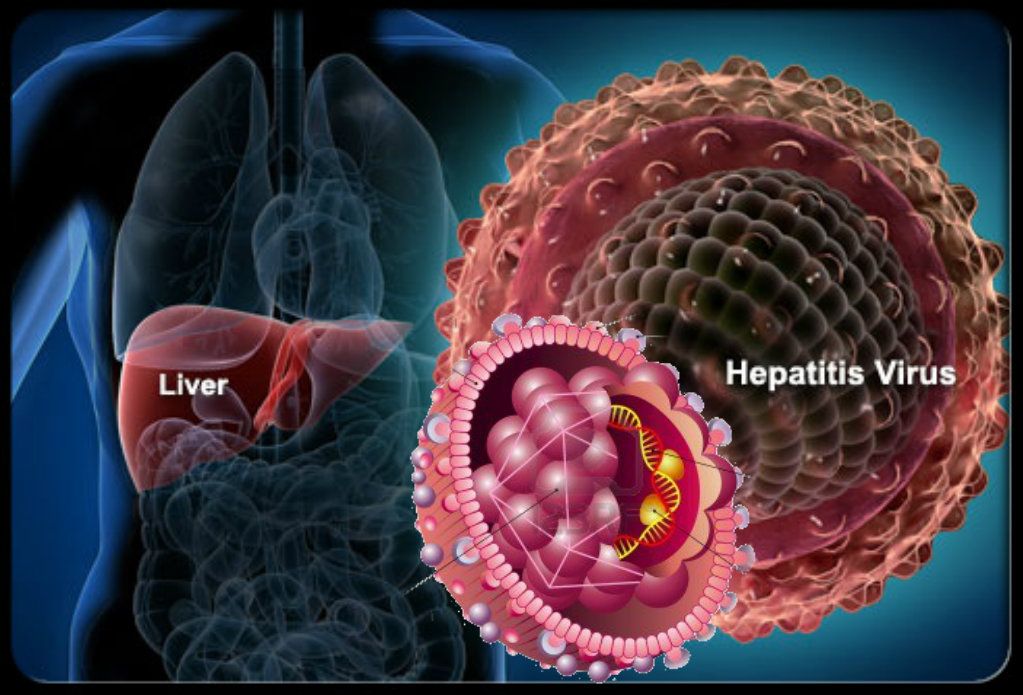


Hepatitis A might not be a term you hear every day, but understanding this virus is crucial for protecting your health. As one of the more common forms of viral hepatitis, it can impact anyone—regardless of age or lifestyle. Known for its ability to spread quickly in certain environments, Hepatitis A poses unique challenges and risks.
This guide will help demystify Hepatitis A by breaking down what it is, how it spreads, its symptoms, treatment options available, and most importantly, ways to prevent infection. Whether you’re looking to expand your knowledge or seeking guidance on managing this condition if affected, we’ve got you covered. Let’s dive deeper into the world of Hepatitis A and arm ourselves with essential information!
What is Hepatitis A?
Hepatitis A is a highly contagious liver infection caused by the Hepatitis A virus (HAV). This virus primarily affects the liver, leading to inflammation and impacting its ability to function effectively.
Unlike other types of hepatitis, such as B or C, Hepatitis A does not cause chronic disease. Most individuals recover completely within a few weeks without lasting effects.
Transmission occurs when someone ingests food or water contaminated with fecal matter from an infected person. This can happen in areas with poor sanitation or through close personal contact.
Symptoms may include fatigue, nausea, abdominal pain, loss of appetite, and jaundice. While it can be serious for some individuals—especially older adults—the majority handle the illness relatively easily with proper care. Understanding this viral infection is essential for prevention and management strategies.
Causes of Hepatitis A
Hepatitis A is primarily caused by the Hepatitis A virus (HAV). This virus spreads through fecal-oral transmission. Contaminated food and water are common vectors.
Eating raw or undercooked shellfish from polluted waters poses a significant risk. Poor hygiene practices, especially in crowded settings, can also contribute to outbreaks.
Traveling to regions with poor sanitation increases exposure chances. In these areas, even minor lapses in cleanliness can lead to infection.
Close contact with an infected person is another route of transmission. Household members or caregivers should take precautions when dealing with someone diagnosed with Hepatitis A.
Additionally, sharing utensils or engaging in sexual activities without proper hygiene increases vulnerability. Understanding these causes helps individuals take proactive measures against this preventable disease.
Symptoms and Diagnosis
Symptoms of Hepatitis A can vary widely. Some individuals may experience mild signs, while others show more severe issues. Common symptoms include fatigue, nausea, and loss of appetite.
As the virus progresses, jaundice might appear. This causes a noticeable yellowing of the skin and eyes. Dark urine and pale stools are also indicators that something is amiss.
Diagnosis typically involves blood tests to identify antibodies against the virus. If you suspect exposure or have experienced symptoms, seeking medical advice promptly is crucial for effective management.
A healthcare professional will evaluate your history and perform necessary tests to confirm the diagnosis. Early detection plays a vital role in recovery and preventing transmission to others.
Treatment Options
Treatment for Hepatitis A primarily focuses on supportive care. Most people recover without specific antiviral medications, as the virus typically runs its course.
Hydration is crucial. Drinking plenty of fluids helps prevent dehydration caused by symptoms such as vomiting or diarrhea. Resting allows your body to heal faster and regain strength.
In some cases, healthcare providers may recommend over-the-counter medications to alleviate pain or fever. However, it’s essential to avoid certain drugs like acetaminophen unless a doctor approves it, as they can strain the liver.
Patients should be monitored closely for any signs of complications, especially if there are pre-existing health issues. Regular follow-ups with a healthcare provider ensure that recovery remains on track and that no additional concerns arise during the healing process.
Prevention Methods
Preventing Hepatitis A primarily revolves around good hygiene practices. Washing your hands thoroughly with soap and water after using the bathroom or before meals is essential. This simple habit can significantly reduce the risk of infection.
Vaccination is another crucial prevention method. The hepatitis A vaccine provides effective protection against the virus. It’s advisable to get vaccinated, especially if you are planning to travel to areas where outbreaks are more common.
Be cautious about food and water sources. Avoid consuming raw or undercooked shellfish from contaminated waters, as well as foods prepared by individuals who may not follow proper sanitation practices.
If you’re traveling, stick to bottled drinks and avoid ice made from tap water in regions known for the disease. Staying informed about local health recommendations can also help shield you from potential exposure.
How to Live with Chronic Hepatitis A
Living with chronic Hepatitis A requires a proactive approach to health. Regular check-ups with your healthcare provider are essential. Monitoring liver function is crucial for managing the virus effectively.
Diet plays an important role in maintaining overall well-being. Focus on a balanced diet rich in fruits, vegetables, and whole grains. Staying hydrated also supports liver health.
Engaging in gentle exercise can enhance energy levels and improve mood. Activities like walking or yoga can help you feel more vibrant without overexerting yourself.
Keep stress at bay through mindfulness practices or hobbies that bring joy. Surround yourself with supportive friends and family who understand your situation.
Staying informed about new treatments and research developments offers hope for management strategies. Connecting with support groups may also provide comfort as you navigate this journey, allowing shared experiences to foster resilience.
Conclusion
Understanding Hepatitis A is essential for everyone. This viral infection can significantly impact health, but the good news is that with proper knowledge and preventive measures, it can be managed effectively.
By recognizing the symptoms early and getting a timely diagnosis, individuals can take steps to mitigate its effects. Treatment options are available, though they primarily focus on relieving symptoms since there is no specific antiviral treatment for Hepatitis A.
Prevention remains the most effective strategy against this virus. Vaccination plays a crucial role in protecting oneself and others from potential outbreaks. Maintaining good hygiene practices also helps reduce transmission risk.
For those living with chronic Hepatitis A or dealing with residual effects after recovery, lifestyle adjustments can lead to improved well-being. Staying informed about dietary choices and regular medical check-ups makes a difference in managing health post-infection.
Awareness of Hepatitis A fosters healthier communities. By sharing information and encouraging vaccination, we contribute to reducing incidence rates globally. Always stay vigilant about your health—knowledge truly is power when it comes to fighting infections like Hepatitis A.