
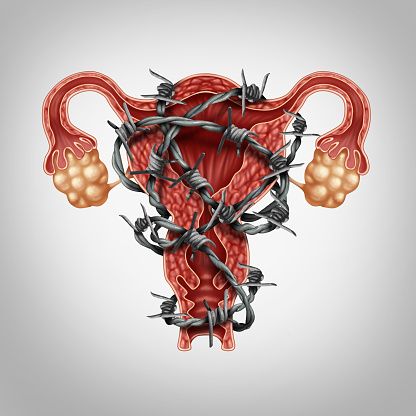


Endometriosis is a term that many have heard, yet few truly understand. It’s not just about painful periods or discomfort; it’s a complex condition that affects millions of women around the world. Imagine living with chronic pain and uncertainty without clear answers or support. For those with endometriosis, this is a daily reality.
This guide aims to shed light on what endometriosis really is, exploring its causes, symptoms, and how it impacts everyday life. Whether you’re seeking information for yourself or someone close to you, understanding this condition can be empowering. Knowledge paves the way for better diagnosis and treatment options while fostering compassion in our communities.
So let’s dive into the world of endometriosis together—one step at a time!
What is Endometriosis?
Endometriosis is a medical condition where tissue similar to the lining of the uterus grows outside it. This can occur on various organs within the pelvis, such as the ovaries and fallopian tubes. The misplaced tissue responds to hormonal changes during the menstrual cycle, leading to inflammation and pain.
Many women with endometriosis experience severe cramping, especially during their periods. However, symptoms can vary widely from person to person. Some may have minimal discomfort while others endure chronic pain that affects daily activities.
The exact prevalence of endometriosis remains uncertain due to underreporting and misdiagnoses. It’s estimated that approximately 1 in 10 women of reproductive age are affected by this condition.
Understanding endometriosis is crucial for early diagnosis and effective management options tailored to individual needs.
Causes and Risk Factors
Endometriosis occurs when tissue similar to the lining of the uterus grows outside it. The exact cause remains unclear, but several theories exist. One possibility is retrograde menstruation, where menstrual blood flows back through the fallopian tubes into the pelvic cavity.
Genetics also plays a role. If family members have had endometriosis, your chances increase significantly. Hormonal factors are another piece of the puzzle; estrogen may promote endometrial-like tissue growth in other areas.
Environmental toxins could contribute as well. Certain chemicals might disrupt hormonal balance and trigger inflammation.
Age is a crucial risk factor too—most diagnoses happen between 25 and 40 years old. Additionally, women with shorter menstrual cycles or heavier periods may find themselves at higher risk for developing this condition.
Understanding these causes helps medical professionals tailor treatment options that suit individual needs more effectively.
Symptoms of Endometriosis
Endometriosis manifests through various symptoms that can significantly impact daily life. Pelvic pain is often the most common complaint, typically occurring during menstruation but can persist throughout the month.
Women may also experience heavy menstrual bleeding or spotting between periods. This abnormal flow can lead to anemia and fatigue over time.
Painful intercourse is another troubling symptom for many. The discomfort during intimacy can strain relationships and affect emotional well-being.
Digestive issues like bloating, diarrhea, or constipation are also prevalent among those with endometriosis. These gastrointestinal symptoms might be mistaken for other conditions, adding to the confusion surrounding diagnosis.
Some individuals report chronic fatigue that seems disproportionate to their activity levels. It’s essential for anyone experiencing these signs to seek medical advice for proper evaluation and support.
Diagnosis and Treatment Options
Diagnosing endometriosis can be a complex journey. Doctors often rely on a combination of medical history, physical exams, and imaging tests like ultrasounds or MRIs. However, the gold standard for diagnosis is laparoscopy. This minimally invasive surgery allows doctors to visualize and potentially biopsy areas affected by endometrial tissue outside the uterus.
Once diagnosed, treatment options vary based on severity and individual needs. Medications such as NSAIDs can help manage pain effectively. Hormonal therapies aim to reduce or eliminate menstruation, which may alleviate symptoms.
For those seeking more permanent solutions, surgical options exist. Laparoscopic excision aims to remove endometrial growths while preserving fertility when possible.
Each person’s experience with endometriosis is unique; thus, collaborating closely with healthcare providers ensures tailored treatment plans that address specific circumstances and preferences.
The Impact of Endometriosis on Daily Life
Endometriosis can significantly disrupt daily life for those affected. The pain and discomfort often manifest unpredictably, making it difficult to plan activities or engage fully in work.
Many individuals experience fatigue that leaves them feeling drained. This constant exhaustion can impact productivity, leading to missed deadlines or days off work.
Social engagements may also suffer. Fear of sudden flare-ups might cause some to withdraw from friends or family gatherings, fostering feelings of isolation.
Emotional well-being is another casualty; anxiety and depression are common as people grapple with their condition’s challenges. Finding a balance between self-care and responsibilities becomes crucial yet complicated.
The financial burden can’t be overlooked either, with costs related to treatments adding up over time. It all intertwines into a complex web that affects not just the individual, but their relationships and overall quality of life too.
Coping Strategies and Support for Those with Endometriosis
Living with endometriosis can be challenging, but there are coping strategies that can help manage symptoms. Keeping a symptom diary is one effective approach. Jot down daily experiences and note triggers to better understand your body.
Mindfulness practices like yoga and meditation have shown promise in alleviating stress. These techniques encourage relaxation, which can ease pain levels.
Support groups provide a sense of community. Connecting with others who share similar struggles fosters understanding and reduces feelings of isolation.
Dietary changes might also play a role in managing symptoms. Incorporating anti-inflammatory foods such as fruits, vegetables, and whole grains may offer relief.
Consider professional support from healthcare providers specializing in endometriosis. They can guide you through treatment options tailored to your needs.
Don’t hesitate to lean on family and friends for emotional support; having someone listen makes a difference during tough times.
Advocating for Better Understanding and Awareness of Endometriosis
Advocating for better understanding and awareness of endometriosis is crucial. Many still view it as a mere inconvenience rather than a serious medical condition. This misconception can lead to delays in diagnosis and treatment, leaving many women feeling unheard.
Education plays a key role in dispelling myths surrounding this complex disease. By sharing accurate information about symptoms and impacts, we foster empathy and support within communities.
Social media platforms have become vital tools for advocacy. Stories shared online create connections between those affected by endometriosis, sparking conversations that challenge the stigma attached to women’s health issues.
Engaging healthcare professionals in ongoing training about endometriosis can significantly enhance patient care. Awareness campaigns should highlight not just the physical pain but also the emotional toll this condition takes on individuals.
Collaboration with organizations dedicated to women’s health can amplify efforts toward research funding and policy changes essential for improving lives impacted by endometriosis.
Conclusion
Endometriosis is more than just a medical condition; it profoundly affects the lives of many women and those assigned female at birth. Understanding what endometriosis entails, its causes, symptoms, diagnosis options, and treatment can empower individuals to seek help and advocate for themselves.
The challenges faced by those with endometriosis extend into daily life. It’s crucial to recognize that coping strategies exist, along with support systems that can provide comfort during tough times. Raising awareness about this condition remains paramount in ensuring better research funding and understanding within society.
By fostering dialogue around endometriosis and sharing personal experiences, we contribute to a culture where open discussions are encouraged. Whether you’re experiencing symptoms yourself or know someone who is affected, knowledge is key in navigating this complex health issue.
In essence, embracing information about endometriosis not only aids in individual journeys but also strengthens communal solidarity toward improved healthcare solutions for everyone impacted by this condition.