
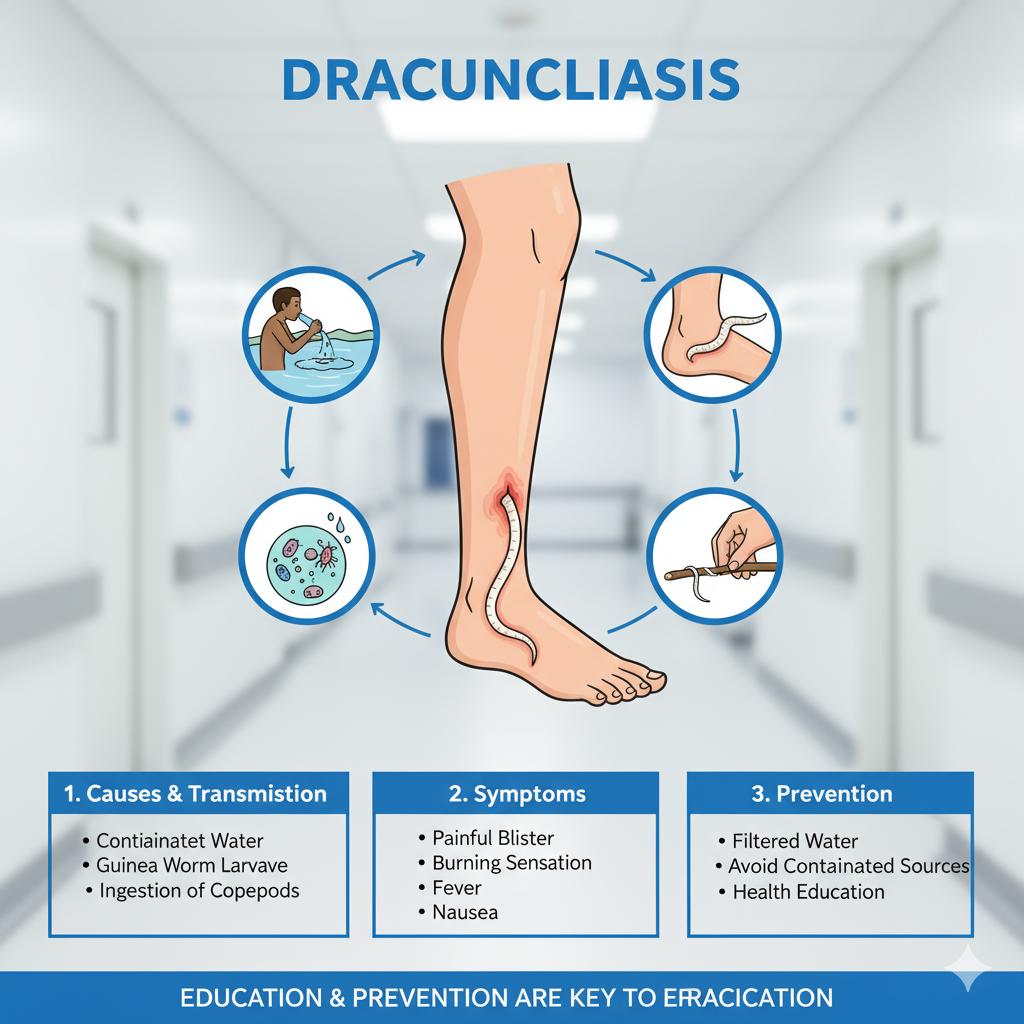


Imagine a world where a simple sip of water could lead to an agonizing experience, one that leaves behind pain and long-lasting repercussions. This is the reality for those affected by dracunculiasis, also known as Guinea worm disease. Though it may seem like something out of a history book, this debilitating illness persists in certain parts of the globe today.
In this complete guide, we’ll delve into what dracunculiasis really is, explore its fascinating history, and discuss how it’s transmitted from person to person. You’ll learn about the symptoms that can signal its presence and discover modern treatments available for those afflicted. We’ll also touch on groundbreaking efforts aimed at eradicating this ancient disease once and for all.
Join us on this journey through time and science as we shed light on dracunculiasis—an often-overlooked health issue with significant implications for communities worldwide. Whether you’re looking to educate yourself or simply curious about global health challenges, there’s much to uncover here.
What is Dracunculiasis?
Dracunculiasis, commonly known as Guinea worm disease, is caused by the parasitic worm Dracunculus medinensis. This infectious disease primarily affects people in rural areas of Africa and parts of Asia.
The adult female worm can grow up to three feet long. After about a year inside the human body, it causes excruciating pain as it emerges through the skin.
Transmission occurs when individuals consume water contaminated with tiny larvae found in infected water sources. Once ingested, these larvae mature into adults within the host’s intestines.
Symptoms often include painful blisters and swelling at the site where the worm exits. The condition can lead to significant disability if left untreated, making daily activities nearly impossible for those affected.
Understanding dracunculiasis is crucial for addressing its impact on communities that suffer from this preventable but debilitating disease.
History of the Disease
Dracunculiasis, commonly known as guinea worm disease, has a long and storied history. The earliest records of this affliction date back to ancient civilizations. Hieroglyphs found in Egyptian tombs depict individuals suffering from painful lesions associated with the disease.
Throughout the centuries, dracunculiasis affected many communities across Africa and Asia. It was often linked to water sources contaminated by infected copepods—tiny crustaceans that serve as hosts for the larvae of the guinea worm.
The 19th century saw significant attention given to this parasitic infection, particularly in regions where it was endemic. Efforts were made to understand its transmission and impact on health systems.
As global awareness grew, so did initiatives aimed at combatting dracunculiasis. By the late 20th century, organizations began focusing on eradication efforts that would eventually lead us toward today’s remarkable progress against this debilitating disease.
Causes and Transmission
Dracunculiasis, commonly known as Guinea worm disease, is caused by the parasitic worm Dracunculus medinensis. The lifecycle of this parasite begins when a person drinks water contaminated with larvae.
Inside the human body, these larvae can grow into long worms over the course of about a year. Once mature, they cause painful blisters on the skin. When these blisters rupture in water, they release thousands of new larvae back into their aquatic environment.
Transmission occurs primarily through drinking unfiltered water from ponds or wells where infected individuals have immersed their legs. This cycle highlights how crucial clean drinking water is for preventing infection and protecting communities from this debilitating disease.
Awareness around hygiene practices and proper filtration methods plays an important role in interrupting transmission routes and minimizing outbreaks.
Symptoms and Diagnosis
Dracunculiasis, or guinea worm disease, presents with distinctive symptoms that often emerge a year after infection. The most noticeable sign is the painful blister that forms on the skin, typically in the legs or feet.
Once this blister ruptures, it releases larvae into water sources. This can lead to secondary infections if not treated properly. Patients may experience severe pain and swelling around the infected area.
In addition to localized discomfort, systemic symptoms can arise. These include fever, nausea, and even dizziness as the body reacts to the infestation.
Diagnosis generally involves identifying these symptoms alongside patient history of exposure to contaminated water sources. Health professionals may also confirm infection through visual examination of blisters or by detecting emerging worms during treatment sessions.
Treatment and Prevention
Treatment for dracunculiasis primarily involves the careful removal of the adult female worm from the body. This is usually done by winding it around a stick over several days. It’s a slow process, requiring patience and care to avoid breaking the worm, which could lead to severe complications.
Preventing dracunculiasis focuses on interrupting its transmission cycle. Access to clean drinking water is vital. Communities are encouraged to filter their water using cloth or specialized filters that can catch larvae.
Education plays a crucial role as well. Teaching communities about hygiene and how the disease spreads helps reduce infection rates dramatically. Public health initiatives aim to raise awareness, ensuring everyone understands how important these measures are in stopping this ancient affliction from spreading further.
Efforts to Eradicate Dracunculiasis
Efforts to eradicate dracunculiasis have gained momentum over the past few decades. The disease, caused by the parasitic worm Dracunculus medinensis, primarily affects communities with limited access to clean water.
Organizations like the Carter Center have played a pivotal role in these efforts. They focus on education and awareness, teaching people about transmission routes and how to prevent infections. Simple interventions can make a significant difference.
Community-based initiatives are crucial. Local volunteers help identify cases and educate others on proper hygiene practices. This grassroots approach fosters ownership among the affected populations.
Innovative strategies such as filtering drinking water through fine mesh screens also show promise. These filters effectively trap larvae before they enter human hosts.
Partnerships between governments and NGOs strengthen resources for surveillance and treatment distribution, enhancing the chance of success in eradicating this debilitating disease.
Living with Dracunculiasis: Personal Stories
Living with dracunculiasis can be a profound journey. Many affected individuals recount the slow, painful emergence of the parasite, often accompanied by anxiety about their health and future.
One woman from South Sudan shared her story of perseverance. After suffering for weeks, she found herself isolated but determined not to let the disease define her. She relied on family support and community solidarity during her ordeal.
Another survivor recalled the stigma attached to his condition. Neighbors shunned him out of fear despite his efforts to educate them about transmission prevention. His experience highlights not only physical pain but also emotional struggles in seeking acceptance after recovery.
These personal stories reveal resilience in facing adversity. They remind us that every statistic represents a life impacted by this ancient disease, emphasizing the need for continued awareness and education around dracunculiasis.
Conclusion
Dracunculiasis, commonly known as Guinea worm disease, is a parasitic infection that has been around for centuries. It highlights the importance of sanitation and access to clean water in combating diseases linked to poverty. By understanding its history, transmission methods, symptoms, and treatment options, we can better appreciate the ongoing efforts to eradicate this ancient affliction.
Awareness plays a crucial role in prevention. Community education about proper hygiene practices significantly reduces infection rates. The global commitment to eliminating dracunculiasis demonstrates how targeted health initiatives can lead to real change.
Personal stories from those affected by dracunculiasis remind us of the human aspect behind statistics. Each narrative is a testament to resilience and hope in the face of adversity.
Efforts continue worldwide with organizations working tirelessly toward eradication goals. With collective action and commitment from governments, NGOs, and communities alike, we can envision a future where dracunculiasis becomes a chapter in our history books rather than an ongoing battle.
As awareness grows and preventive measures are implemented effectively across vulnerable regions globally, there’s optimism for what lies ahead in eradicating this preventable disease once and for all.