


Home workouts used to follow a familiar pattern. A quick video. A few bodyweight moves. A lot of rushing from one exercise to the next. It felt productive in the moment, mostly because it was sweaty and fast. But for many women, that style of training stopped delivering after a while. The sessions felt repetitive, progress was hard to measure, and the body often ended up tired without feeling noticeably stronger.
That is a big reason structured resistance work has started taking over. It feels more purposeful. The workout has a shape. The movements repeat often enough to improve. There is a clear sense of what the body is training for, instead of just chasing fatigue and hoping it turns into results.
This shift is not only about aesthetics or trends. It reflects a different relationship with exercise. More women want training that feels sustainable, intelligent, and worth repeating next week. That usually means moving away from random circuits and toward something more consistent.
Why Random Circuits Stop Working
Random circuits are popular because they are easy to start. They require little planning, and they usually create that instant “worked out” feeling. The problem is what happens after the first few weeks.
The body adapts quickly when there is no clear progression. One day, it is squats, mountain climbers, and lunges. The next day, it is something completely different. There may be effort, but there is not always enough structure for that effort to build into anything meaningful. That is where frustration starts creeping in.
This is especially true for women who want more than a temporary sweat session. If the goal is better posture, more strength, improved core control, and a body that feels more capable, random training tends to run out of road quite quickly.
What Structured Resistance Training Changes
Structured resistance work feels different because it gives the body something clear to adapt to. The movements have a purpose. The resistance can be adjusted. Progress can come from better control, more range, improved tempo, or a slightly harder setting instead of simply doing everything faster, which fits well with the ACSM physical activity guidelines that include regular muscle-strengthening work as part of a well-rounded routine.
That makes training feel more grounded. It also tends to feel more rewarding, because the improvement is easier to notice. A movement that felt unstable two weeks ago starts to feel smoother. A slower set feels more controlled. The body begins to trust the method.
This is one reason reformer-style training has become such a strong fit in home wellness spaces. Women comparing a Megaformer vs reformer guide are often trying to understand which kind of machine supports the training style they actually want: something lower impact, but still strong enough to challenge the body properly. That conversation has grown because more people want structure, not just intensity.
Why Lower Impact Is Part Of The Appeal
A lot of women are not looking for softer workouts. They are looking for workouts that feel better on the body while still being effective. That is an important difference.
Structured resistance training often delivers that because it does not rely on chaos. There is less pounding, less flinging from one move to another, and less sense of the workout trying to overwhelm the body into changing, which is part of why low-impact exercise choices are often recommended for people who want effective training with less joint stress.
That usually means the body feels better afterwards, too. Not necessarily fresh, but not battered. Recovery becomes easier, which makes it easier to train again in a day or two. That is where better long-term results usually come from.
Why Reformer-Style Training Keeps Coming Up
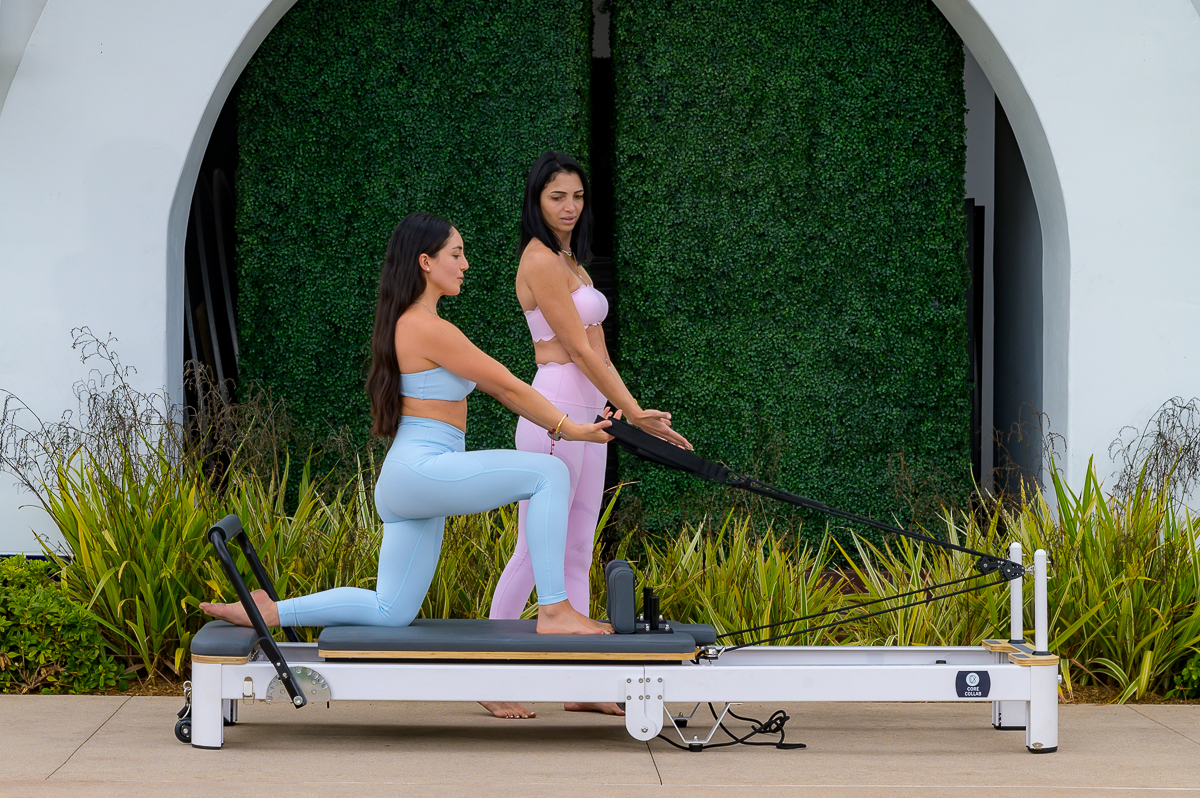
Reformer-style workouts sit right in that space between strength and control. They ask the body to work hard, but they do it through resistance, alignment, and precision. For many women, that feels like a better fit than endless high-impact circuits.
It also helps that one setup can do a lot. Strength work, core work, stability, and lower-impact conditioning can all come from the same machine. That makes the routine feel less scattered and much easier to build into the week.
This is where higher-intensity options like the Sculptformer enter the picture. It sits in that reformer-style category for women who want a stronger, more athletic feel at home without losing the smoother, low-impact quality that makes the training easier to repeat.
The Real Draw Is Progress You Can Feel
What keeps women interested in structured resistance work is not only the burn. It is the sense that the workout is actually going somewhere. There is less guessing. Less randomness. I feel like every session has to prove itself from scratch.
A few things stand out quickly:
- Movements start feeling stronger instead of just faster
- Posture improves because the body is training with more control
- The core gets pulled in naturally rather than through endless ab work
- Progress feels visible even when it is subtle
That kind of improvement may not be loud, but it is usually more satisfying than the highs and lows of random circuits.
Why This Shift Is Likely To Last
This trend feels more durable because it solves a real problem. Women are not simply chasing a new workout aesthetic. They are moving toward training that respects time, recovery, and the reality of adult life. They want fitness that fits, not fitness that constantly asks for more.
Structured resistance work does that well. It gives the body a clearer signal, and it gives the routine a better chance of surviving beyond a burst of motivation.
Final Thoughts
More women are choosing structured resistance work because it feels more useful than random home circuits. It builds strength with more clarity, supports better consistency, and tends to leave the body feeling challenged rather than chaotic.
That is the difference. Random circuits can feel productive for a moment. Structured resistance work gives people something they can actually build on.