
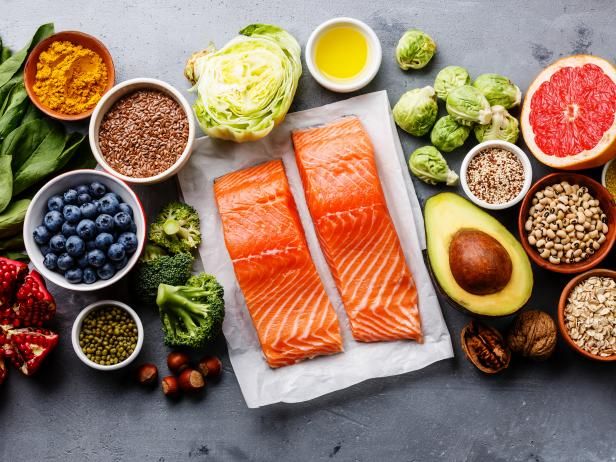


Introduction to Superfoods
Superfoods are a classification of nutrient-rich foods that provide significant health benefits beyond basic nutrition. The term has gained popularity over recent years, reflecting a growing interest in food that can enhance health and well-being. While there is no official scientific definition for superfoods, these foods are generally characterized by their high levels of vitamins, minerals, phytochemicals, and antioxidants that contribute to overall health.
The origins of the term “superfood” can be traced back to various marketing campaigns aiming to promote foods with high nutritional value. Certain foods have earned the “super” title due to their ability to positively impact health outcomes when consumed regularly. These foods, such as blueberries, kale, quinoa, and salmon, are celebrated for their rich antioxidants, anti-inflammatory properties, and ability to support bodily functions.
Superfoods are often hailed for their role in disease prevention and health optimization. Researchers have found that populations consuming diets rich in these foods tend to exhibit lower rates of chronic diseases, thus reinforcing the importance of nutrient-dense offerings in modern diets. Incorporating superfoods into your diet can not only enhance nutrient intake but also provide a flavorful array of options for meals and snacks.
The importance of superfoods extends beyond mere nutritional benefits. They represent an opportunity to engage with local agriculture and sustainable food practices while promoting wellness in communities. By choosing to include a variety of superfoods in daily nutrition, individuals can create a more balanced diet that supports long-term health goals.
The Benefits of Superfoods
Incorporating superfoods into one’s diet can yield a multitude of health benefits that contribute to overall well-being. Superfoods are nutrient-dense foods rich in vitamins, minerals, antioxidants, and essential fatty acids, making them an excellent choice for those looking to enhance their nutritional intake.
One of the primary advantages of superfoods is their ability to increase energy levels. Foods such as quinoa, spirulina, and chia seeds provide sustained energy release due to their complex carbohydrates and high protein content. This is particularly beneficial for individuals leading active lifestyles or those seeking to maintain higher energy throughout the day.
Moreover, superfoods play a significant role in improving immunity. Superfoods like elderberries and acai berries are loaded with antioxidants that combat free radicals and reduce oxidative stress. This bolstered immune response helps to protect the body against common illnesses and infections, ensuring better health year-round.
In addition to energy and immunity, superfoods are known to support better digestion. Foods rich in fiber, such as flaxseeds and leafy greens, promote regular bowel movements and contribute to a healthy gut microbiome. A robust digestive system is crucial for the absorption of nutrients and overall digestive comfort.
Furthermore, many superfoods have been linked to potential disease prevention. For instance, the anti-inflammatory properties of turmeric and the heart-healthy omega-3 fatty acids found in chia seeds can help mitigate the risk of chronic diseases such as heart disease and diabetes. The incorporation of these foods can thus serve as an essential step toward long-term health benefits.
With these diverse benefits, it becomes clear that adding superfoods to your diet can significantly enhance your life quality by promoting energy, immunity, digestion, and disease prevention.
Top Superfoods to Consider
Superfoods are nutrient-rich foods that offer a multitude of health benefits. Including them in your diet can contribute to overall wellness. Here are some top superfoods to consider:
Kale: Often referred to as a “nutritional powerhouse,” kale is packed with vitamins A, C, and K, as well as antioxidants. Its high fiber content can support digestive health, making it a versatile leafy green for salads, smoothies, or sautéing.
Quinoa: Known as a complete protein, quinoa is an excellent source of essential amino acids. This gluten-free grain is also rich in magnesium, iron, and fiber. It serves as a perfect base for salads or as a side dish, providing a hearty texture and a nutty flavor.
Blueberries: These small berries are renowned for their antioxidants, particularly anthocyanins, which may help reduce the risk of heart disease. Blueberries can be easily added to breakfast cereals, yogurt, or enjoyed as a snack, providing a sweet addition with multiple health benefits.
Chia Seeds: Chia seeds are exceptionally high in omega-3 fatty acids, fiber, and protein. When mixed with water, they form a gel-like consistency, making them ideal for adding texture to smoothies and puddings. Their health-promoting properties support heart health and aid digestion.
Avocado: Avocado is uniquely high in monounsaturated fats, which are beneficial for heart health. It also provides a good dose of vitamins E, C, and K, along with potassium. The creamy nature of avocado makes it an excellent addition to salads, spreads, or as a topping on toast.
Salmon: Renowned for its omega-3 fatty acid content, salmon can help support cognitive function and cardiovascular health. Rich in protein, this fatty fish can be enjoyed grilled, baked, or in salads, providing a nutritious meal option.
Incorporating these superfoods into your daily diet can enhance nutrition and contribute to a healthier lifestyle. Each delivers distinct benefits, making them worthy additions to meals and snacks.
How to Incorporate Superfoods into Your Daily Meals
Incorporating superfoods into your daily meals can significantly enhance your dietary nutrition, providing numerous health benefits. To effectively integrate these nutrient-rich foods, start with breakfast. Consider adding chia seeds or ground flaxseeds to your morning smoothie or yogurt. These superfoods are high in omega-3 fatty acids and fiber, making for a great start to the day.
For lunch, try mixing quinoa, another superfood, into your salads. Quinoa is a complete protein source, containing all essential amino acids, which aids in muscle repair and growth. Combine it with leafy greens, like spinach or kale, and add some colorful vegetables such as bell peppers or carrots. This will not only give your meal a nutritional boost but also enhance the visual appeal.
Dinner is another opportunity to incorporate superfoods. Opt for a side of roasted sweet potatoes, which are rich in vitamins A and C, or consider adding turmeric to your dishes for its anti-inflammatory properties. A turmeric-infused stir-fry or curry can add zing to your evening meal while benefiting your overall health.
Snack time also presents a chance to enjoy superfoods. Instead of reaching for processed snacks, consider slicing apples and pairing them with almond butter, which is rich in healthy fats and protein. Additionally, toppings like hemp seeds or cacao nibs can be sprinkled on oatmeal or smoothies for an extra nutrient kick.
By creatively incorporating superfoods into various meals throughout the day—whether during breakfast, lunch, dinner, or snack time—you can enjoy a more nutritious diet. Thus, maximizing the health benefits these foods offer becomes a simple and enjoyable part of your meal planning.
Superfoods vs. Regular Foods: What’s the Difference?
When evaluating the differences between superfoods and regular foods, one must consider the nutritional profile each category offers. Superfoods are typically characterized by their exceptional nutrient density. This means they contain high concentrations of essential vitamins, minerals, antioxidants, and other health-promoting compounds relative to their caloric content. In contrast, regular foods might provide essential nutrients as well, but often at lower concentrations.
Take, for example, leafy greens such as kale, which is often deemed a superfood. It is rich in vitamins A, C, and K, as well as minerals like calcium and iron. Regular vegetables may not compare on all these fronts. While they are still nutritious, their content of these specific vitamins and minerals might be significantly lower. This distinction becomes even more pronounced when examining fruits, with berries such as blueberries being lauded as superfoods due to their high levels of antioxidants called anthocyanins. Regular fruits, such as bananas, while healthy in their own right, lack these potent antioxidant properties in such concentrated amounts.
The term “superfood” itself is not scientifically defined, yet it reflects the growing interest in foods that can boost health. Nutritional databases often reveal that superfoods can encourage a higher intake of nutrients that support cardiovascular health, improve immune function, and promote overall well-being. Furthermore, the growing body of research continues to identify various phytochemicals found in superfoods that are not present in regular foods or exist only in significantly lower quantities.
This difference in nutrient concentrations highlights the importance of integrating superfoods into one’s diet as a means to elevate overall nutrient intake. Determining which foods fall under the superfood category can provide beneficial insight for anyone looking to enhance their health through dietary adjustments.
Common Myths About Superfoods
Superfoods have gained significant popularity in recent years, yet there are various misconceptions surrounding them that may detract from their potential health benefits. One prevalent myth is the belief that superfoods are prohibitively expensive. While some superfood items can be pricey, many affordable options exist, such as beans, lentils, and seasonal fruits and vegetables. It is crucial for consumers to evaluate the nutritional value rather than focus solely on the price tag.
Another common misconception is that superfoods serve as a cure-all for various health issues. While they may offer enhanced nutrient profiles and contribute positively to one’s health, superfoods are not a substitute for a balanced diet or a cure for ailments. The idea that consuming a handful of superfoods can magically resolve health problems oversimplifies the complexity of nutrition and can lead individuals to overlook the importance of a well-rounded dietary approach.
Additionally, some people believe that superfoods can effectively replace the need for a balanced diet. However, a diverse range of foods is essential to meet nutritional needs. Each food offers unique nutrients, and relying solely on superfoods may cause nutrient deficiencies over time. Incorporating a variety of whole foods, including grains, lean proteins, fruits, and vegetables, is vital for optimal health.
In summary, it is imperative to dispel these common myths about superfoods to harness their true potential. By understanding the role of affordability, realistic health benefits, and the necessity of a balanced diet, individuals can make informed choices that contribute to their overall wellness while integrating superfoods into their eating habits.
Superfoods for Specific Dietary Needs
The modern dietary landscape includes a diverse array of dietary preferences and restrictions, resulting in an increased interest in superfoods that cater to specific nutritional needs. These superfoods not only enhance health but also provide essential nutrients that may be lacking in certain diets.
For individuals following a vegan diet, superfoods such as quinoa and chia seeds stand out due to their high protein content and complete amino acid profile. Quinoa is a versatile grain that can be used in salads and bowls, while chia seeds serve as an excellent source of omega-3 fatty acids, fiber, and protein, making them a perfect addition to smoothies or porridge.
People with gluten intolerance or celiac disease may benefit from superfoods like buckwheat and amaranth. Buckwheat is a gluten-free grain packed with antioxidants, protein, and fiber, making it an excellent alternative for porridge or pancakes. Amaranth, on the other hand, is a nutrient-dense pseudocereal, rich in protein and vitamins, making it an ideal component for gluten-free diets.
For those seeking a high-protein diet, superfoods such as lentils and hemp seeds offer substantial benefits. Lentils are a powerhouse of protein and dietary fiber, facilitating digestion and providing sustained energy. Meanwhile, hemp seeds are a fantastic source of plant-based protein, containing all nine essential amino acids, and can easily be added to salads, smoothies, or baked goods.
Incorporating these superfoods into daily meals not only assists in meeting specific dietary requirements but also enriches overall health and wellness. By choosing superfoods tailored to individual dietary needs, one can enhance their nutrient intake while enjoying delicious and fulfilling meals.
Possible Downsides of Superfoods
Although superfoods are often celebrated for their potential health benefits, it is essential to consider possible downsides associated with their consumption. One of the primary concerns is that the purported benefits of these foods can sometimes be overstated. Marketing strategies frequently exaggerate the health advantages of certain superfoods, leading individuals to believe that simply adding them to their diet will yield significant health improvements. As a result, consumers may overlook the importance of a balanced and varied diet.
Additionally, while many superfoods are nutritious, there exists a possibility that they may cause adverse effects in some individuals. For example, foods high in oxalates, such as spinach and beet greens, may contribute to kidney stones in susceptible persons. Similarly, certain superfoods can trigger allergic reactions or sensitivities in some individuals. Before incorporating new superfoods into one’s diet, it is advisable to consult a healthcare professional, especially for those with existing health conditions.
Environmental concerns also play a crucial role in the discussion of superfoods. The demand for certain high-profile superfoods can lead to unsustainable agricultural practices, including deforestation, habitat destruction, and depletion of natural resources. For instance, the popularity of quinoa has resulted in increased farming activity in regions traditionally reliant on this crop, leading to soil erosion and reduced biodiversity. Additionally, the carbon footprint associated with the transportation of exotic superfoods can contribute to environmental degradation, questioning the sustainability of their consumption.
In conclusion, while superfoods can offer health benefits, their potential downsides should not be ignored. Overstated claims, risk of side effects, and environmental impacts are critical factors to consider when integrating these foods into our diets. A balanced approach that prioritizes diverse food sources remains the most prudent choice for optimal health and wellness.
Conclusion and Call to Action
Incorporating superfoods into your daily diet is a vital step towards achieving better health and well-being. These nutrient-rich foods are packed with essential vitamins, minerals, and antioxidants that can support various bodily functions and enhance overall physical performance. Superfoods have been associated with numerous health benefits, including improved heart health, better digestion, stronger immune function, and even a reduced risk of chronic diseases.
As you consider ways to enhance your diet, remember that integrating superfoods doesn’t have to be complicated. Simple changes such as adding berries to your breakfast, incorporating leafy greens into your lunchtime salads, and using nuts as healthy snacks can significantly impact your nutritional intake. Additionally, consider trying new recipes that feature foods such as quinoa, chia seeds, and avocados to keep your meals exciting and diverse.
The journey to a healthier lifestyle is achievable and can be as enjoyable as it is beneficial. Start small by choosing one or two superfoods to include in your meals each week. Gradually, you will discover the multitude of flavors and health benefits they offer. Experimenting with these foods not only allows you to improve your diet but also opens the door to an array of delicious culinary experiences.
Therefore, I encourage you to take action today. Explore local markets for fresh superfoods or seek out trusted sources for high-quality options. Commit to making small, manageable changes in your eating habits that will pave the way for a healthier tomorrow. Superfoods are a fantastic addition to any diet; embracing them can lead to profound improvements in your health.