
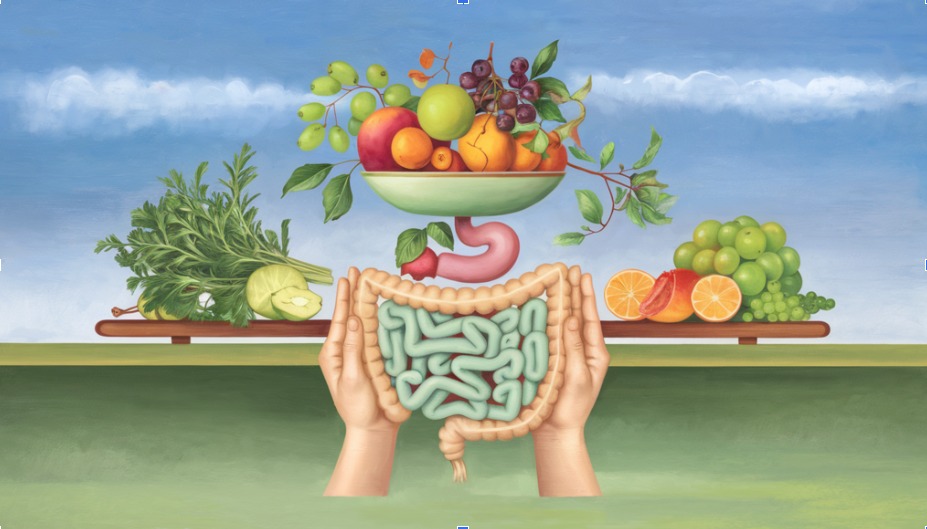


Athletes operate at the edge of human performance, where marginal gains in recovery and nutrient absorption can determine competitive outcomes. Yet one of the most critical systems affecting these factors—gut health—often receives less attention than training protocols or macronutrient timing. When the intestinal barrier becomes compromised, a condition commonly referred to as “leaky gut,” the consequences extend far beyond digestive discomfort.
Increased intestinal permeability allows partially digested proteins, bacterial endotoxins, and other molecules to cross into systemic circulation, triggering inflammatory responses that can impair recovery, reduce nutrient bioavailability, and compromise immune function. For athletes who subject their bodies to repeated physiological stress, maintaining gut barrier integrity isn’t just about comfort—it’s about sustaining performance over time.
What Happens When the Gut Barrier Fails
The intestinal lining functions as a selective barrier, allowing nutrients to pass while blocking potentially harmful substances. When the tight junctions between epithelial cells loosen, this selectivity breaks down. The result is a cascade of issues that can manifest as bloating, unexplained fatigue, joint inflammation, and heightened sensitivity to foods previously well-tolerated.
Several factors contribute to compromised gut barrier function:
- Diets high in processed foods and added sugars, which alter gut microbiome composition
- Chronic psychological stress, which affects gut motility and barrier integrity
- Frequent use of NSAIDs for pain management, common among endurance athletes
- Excessive alcohol consumption, which directly damages intestinal cells
- Intense exercise itself, which temporarily redirects blood flow away from the gut
Research published in the National Institutes of Health database demonstrates that increased intestinal permeability correlates with various gastrointestinal disorders and systemic inflammation. For athletes, this translates to longer recovery windows and diminished training adaptations.
Why Athletes Face Unique Gut Health Challenges
High-intensity training creates a paradox: the same physiological stress that drives adaptation also threatens gut barrier integrity. During sustained exercise, blood flow shifts from the splanchnic circulation to working muscles, reducing oxygen delivery to intestinal tissues. This ischemia-reperfusion cycle can damage tight junctions and increase permeability.
Compounding this, many athletes consume high volumes of simple carbohydrates during training and competition, potentially feeding opportunistic bacteria while starving beneficial species. The combination of mechanical stress, altered blood flow, and suboptimal nutrition creates an environment where gut dysfunction can take root.
Evidence-Based Approaches to Gut Barrier Support
Targeted supplementation offers a practical strategy for athletes looking to protect and repair intestinal barrier function. While no supplement replaces proper nutrition and recovery practices, specific compounds have demonstrated efficacy in clinical research:
- Probiotics: Specific strains like Lactobacillus plantarum and Bifidobacterium longum have shown promise in supporting immune function and gut barrier integrity, particularly when athletes face increased training loads.
- L-Glutamine: This conditionally essential amino acid serves as primary fuel for enterocytes, the cells lining the small intestine. During periods of metabolic stress, glutamine demand can exceed endogenous production, making supplementation potentially beneficial for barrier maintenance.
- Zinc Carnosine: This chelated compound has demonstrated protective effects on gastric mucosa and may help stabilize the gut lining under stress. Its anti-inflammatory properties make it particularly relevant for athletes managing training-induced inflammation.
- Collagen Peptides: Providing glycine, proline, and hydroxyproline—amino acids abundant in connective tissue—collagen supplementation may support the structural integrity of the intestinal barrier.
Products such as Liver Medic’s Leaky Gut Repair bring together several of these ingredients in formulations intended to support multiple aspects of intestinal barrier function at the same time. Similar gut-health focused supplements are also produced by companies like Thorne and Garden of Life, providing athletes with comprehensive options when addressing digestive resilience and overall gut health.
Nutritional Strategies That Complement Supplementation
Supplements work best within a broader framework of gut-supportive practices. Athletes should consider these evidence-based nutritional approaches:
- Prioritize Fiber Diversity: Different types of fiber feed distinct bacterial populations. Incorporating vegetables, legumes, whole grains, and resistant starches supports a diverse microbiome, which correlates with better barrier function.
- Time Nutrient Intake Strategically: Consuming easily digestible carbohydrates during exercise and reserving complex meals for recovery periods reduces gut stress when blood flow is already compromised.
- Limit Gut Irritants: While individual tolerance varies, many athletes benefit from moderating intake of alcohol, NSAIDs, and highly processed foods, particularly during heavy training blocks.
- Stay Adequately Hydrated: Proper hydration supports mucus production and helps maintain the protective barrier between gut contents and epithelial cells.
According to Harvard Medical School, the relationship between diet, microbiome composition, and overall health is emerging as one of the most important areas in preventive medicine.
Beyond Nutrition: Lifestyle Factors That Matter
Gut health exists at the intersection of multiple physiological systems. Athletes who address only nutritional factors may miss important contributors to barrier dysfunction:
- Sleep Quality: Inadequate or disrupted sleep alters gut microbiome composition and increases intestinal permeability. Prioritizing 7-9 hours of quality sleep supports both recovery and gut barrier integrity.
- Stress Management: The gut-brain axis means psychological stress directly affects gut function. Techniques like meditation, breathwork, or even strategic deload weeks can reduce stress-related gut dysfunction.
- Training Periodization: Constantly pushing maximum intensity without adequate recovery doesn’t just risk overtraining—it chronically stresses the gut barrier. Proper periodization allows for physiological adaptation, including in the gastrointestinal system.
Selecting Quality Gut Health Supplements
The supplement industry remains largely unregulated, making product selection challenging. Athletes should apply rigorous criteria when evaluating gut health supplements:
- Third-Party Testing: Look for products certified by organizations like NSF Certified for Sport or Informed-Sport, which test for banned substances and verify label accuracy.
- Transparent Labeling: Avoid proprietary blends that hide individual ingredient doses. Effective supplementation requires knowing exactly what you’re consuming and in what amounts.
- Evidence-Based Formulations: The best products use ingredients and dosages supported by clinical research, not just traditional use or theoretical mechanisms.
- Minimal Additives: Unnecessary fillers, artificial colors, and preservatives add nothing to efficacy and may introduce additional gut irritants.
- Manufacturer Reputation: Companies with established track records, transparent manufacturing practices, and responsive customer service generally produce more reliable products.
Before starting any supplementation protocol, athletes should consult with healthcare providers familiar with sports medicine, particularly if managing existing gastrointestinal conditions or taking medications that affect gut function.
The Long-Term Performance Equation
Elite athletic performance isn’t built on single training sessions or individual nutritional choices—it emerges from consistent attention to the systems that enable adaptation and recovery. Gut health represents one of these foundational systems, influencing everything from nutrient absorption to immune function to inflammatory response.
Athletes who invest in gut barrier integrity through strategic supplementation, thoughtful nutrition, and lifestyle management create conditions for sustained performance improvements. The gut may not generate headlines like VO2 max or power output, but its role in determining whether an athlete can consistently train, recover, and compete at their highest level makes it worthy of serious attention.
As research continues to illuminate the connections between gut health and athletic performance, the athletes who recognize this relationship early—and take concrete steps to support their intestinal barrier—position themselves for long-term competitive advantages that extend well beyond any single season.