
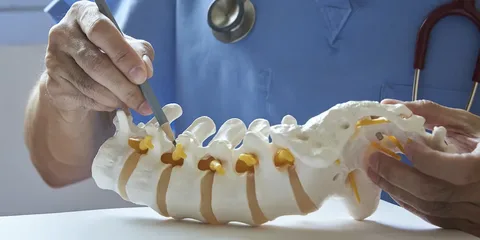


Ongoing back or leg pain can make daily tasks hard. Some spine surgeries use small cuts, cameras, or computer tools to guide the surgeon. Learn how these methods may affect pain, healing, and recovery.
Here’s what to know.
Advancements in Modern Spine Surgery
Modern spine surgery has changed a lot. New methods make procedures safer and easier for patients.
Minimally Invasive Spine Surgery (MISS)
Minimally invasive spine surgery uses small incisions to reach the spine. The surgeon moves muscles aside or works through natural spaces instead of making a large cut. Special tools and a camera help the surgeon see and treat the area.
Surgeons may use MISS for a discectomy, laminectomy, or spinal fusion. Each procedure treats a different spine problem. The surgeon selects a method based on the patient’s condition and the area that needs care.
Patients should also consider the costs of consultations, surgery, and rehabilitation when planning treatment. A health insurance brokerage can help patients compare insurance options and understand potential coverage for specialist consultations and surgical procedures. Actual coverage depends on the terms of the policy.
Robotic-Assisted Spine Surgery
After minimally invasive spine surgery uses small incisions, robotic-assisted surgery adds computer guidance. The surgeon plans the procedure and controls the instruments. The robotic system helps guide tools during spine surgery.
Computer-aided navigation can help the surgeon place screws during spinal fusion. The surgeon stays in control and makes each decision. The procedure and recovery time depend on the patient’s needs.
Endoscopic Spine Surgery
A surgeon makes a small incision and guides a camera and slim tools to the affected area. This minimally invasive spine surgery can treat some conditions while limiting harm to nearby tissue.
It may support a shorter recovery, but it does not suit every patient.
Benefits of Modern Surgical Techniques for Spine Patients
Modern surgical techniques offer many benefits for spine patients. They help speed up recovery, reduce scars, and lower the chance of problems during and after surgery.
Reduced Recovery Time
Patients often go home sooner after spine surgery. Many modern techniques cut recovery time significantly. Minimally invasive methods mean smaller incisions and less tissue damage.
As a result, pain levels are lower and healing is faster.
With robotic-assisted surgery, doctors can be more precise. This leads to fewer complications during and after the procedure. Faster recovery helps patients return to daily activities quickly.
They spend less time in the hospital and start rehabilitation sooner.
Smaller Incisions and Less Scarring
Smaller incisions lead to less scarring. Modern surgical techniques, like minimally invasive spine surgery, use small tools and cameras. This makes cuts much smaller than traditional methods.
Patients often enjoy a quicker healing process due to reduced tissue damage.
Less scarring also means better cosmetic results for patients after surgery. Smaller wounds typically hurt less and heal faster. These advancements improve patient outcomes and make recovery easier. Patients in the Midwest who want to explore these benefits can start by consulting a Minimally Invasive Spine Surgeon in Kansas about their specific condition.
Lower Risk of Complications
Modern spine techniques may lower some risks, but every surgery can cause complications.
| Technique | Possible Effect |
|---|---|
| Minimally invasive surgery | Less tissue disruption |
| Robotic guidance | May aid precise implant placement |
| 3D navigation | Helps guide surgical tools |
| Any spine surgery | Risks include infection, bleeding, and nerve injury |
Key Techniques Used in Modern Spine Surgery
Modern spine surgery uses advanced techniques to help patients heal faster. Surgeons now use lasers for precision during procedures. 3D imaging allows for better planning and accuracy.
These methods lead to less pain and quicker recovery times. Curious about how these techniques work?
Laser Spine Surgery
Laser spine surgery uses focused beams of light to treat spine problems. This technique is less invasive than traditional surgery. It often leads to smaller incisions and less damage to surrounding tissues.
Patients usually experience quicker recovery times after this procedure.
Surgeons use lasers for various conditions, such as herniated discs or spinal stenosis. The precision of laser technology helps reduce pain during and after the operation. As a result, patients can return to their daily activities sooner.
Laser spine surgery represents a significant advancement in modern surgical techniques for treating spine issues.
3D Navigation and Imaging Technology
Laser spine surgery leads to many breakthroughs. 3D navigation and imaging technology is one of them. This technology helps surgeons see the spine in three dimensions. They can now view the patient’s anatomy clearly before making any cuts.
Surgeons use this advanced imaging for precision. It allows them to plan surgeries better and avoid damage to surrounding tissues. Patients benefit from fewer complications and improved outcomes.
With clear images, they can perform spinal fusion or discectomy more safely than ever before.
The Future of Spine Surgery
New technologies are changing spine surgery every day. These tools promise even safer and better outcomes for patients. The focus is on improving recovery and reducing pain. Innovations will keep evolving to offer more options for treatment.
Keep reading to learn how these changes could impact your care!
Emerging Technologies and Innovations
Advanced tools are changing spine surgery. New techniques like robotic-assisted surgery are gaining traction. These robots help surgeons perform operations with great precision. They allow for better vision and control during procedures.
Another exciting development is computer-aided navigation. This technique uses 3D imaging to guide doctors as they work on the spine. It helps ensure that each incision is in the right place, improving patient outcomes.
As these technologies grow, patients can expect safer surgeries and faster recoveries from their conditions.
Conclusion
Modern surgical techniques greatly impact spine patients. These methods make surgery safer and less painful. Patients can expect quicker recovery times and smaller scars. Innovations like robotic-assisted and minimally invasive surgeries are changing how we fix spine problems.
With these advancements, a better future awaits those needing spine care. Personalized treatment plans, improved imaging, and careful rehabilitation also help patients work toward lasting results. Discussing available options with a qualified spine specialist can help patients make informed decisions about their recovery.