


Modern customers expect payments to be quick, convenient, and straightforward. Whether they are buying lunch, paying for a service, or making a larger purchase, people increasingly want to complete transactions without unnecessary delays. For businesses, having the right payment equipment can make a noticeable difference to the customer experience and the efficiency of everyday operations.
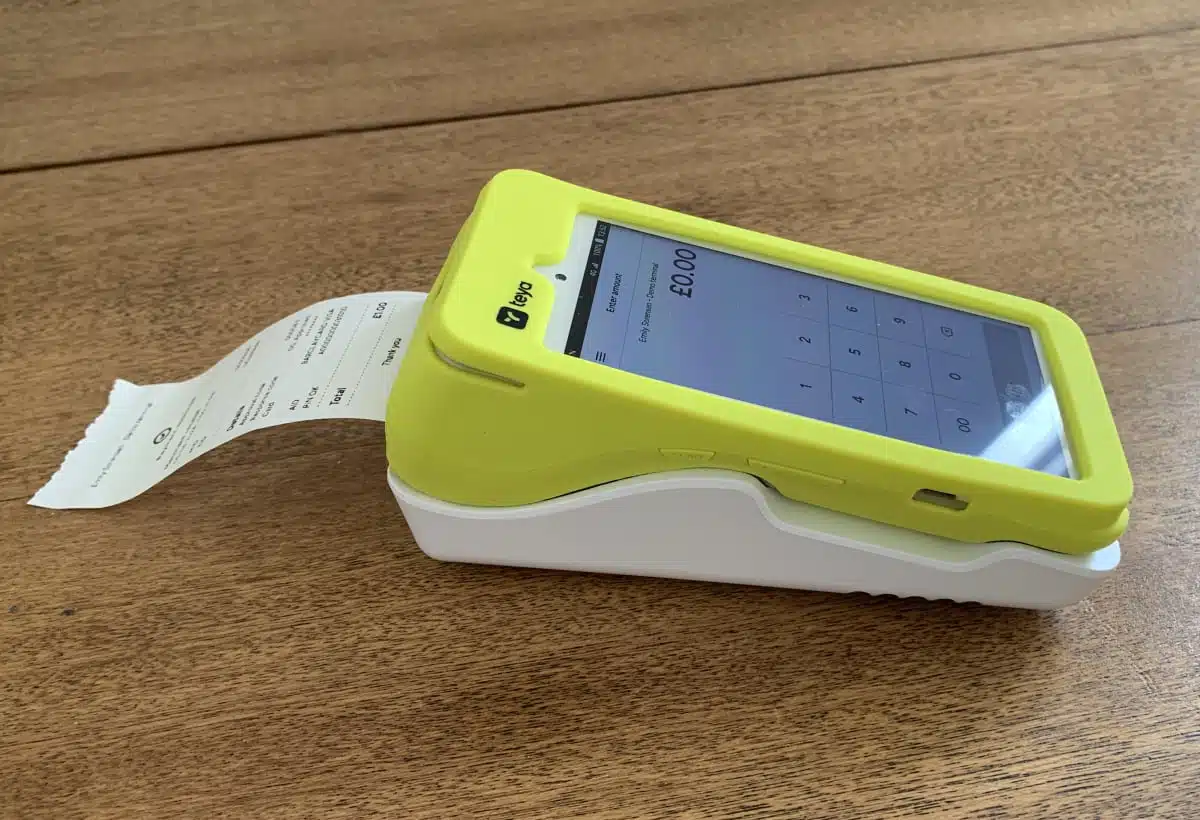
Countertop card machines remain a practical solution for businesses that process payments from a fixed location. From shops and cafés to professional services and hospitality businesses, these terminals can provide a reliable way to accept card and contactless payments while keeping the checkout process organised.
1. Create a Faster Checkout Experience
One of the biggest advantages of using countertop card machines is the ability to process transactions efficiently. Customers can simply present or insert their payment card, or use a compatible mobile device, and complete their purchase without lengthy payment procedures.
A faster checkout can be particularly valuable during busy periods. Restaurants, retail stores, reception desks, and other customer-facing businesses may handle several transactions within a short period. Reducing the time required for each payment can help keep queues moving and prevent customers from becoming frustrated.
Speed is not only beneficial for customers. Employees can spend less time dealing with individual transactions and more time assisting customers, preparing orders, or completing other important tasks.
2. Support Popular Payment Methods
Payment habits have changed considerably in recent years. Customers no longer rely exclusively on cash or traditional card payments. Contactless cards, smartphones, and other digital payment methods have become common parts of everyday spending.
Modern countertop card machines can support multiple payment options, allowing businesses to accommodate different customer preferences. Offering greater flexibility means customers can choose the payment method that is most convenient for them.
This flexibility can also be important for businesses that serve a wide variety of customers. Some shoppers may prefer contactless payments for smaller purchases, while others may choose chip and PIN for larger transactions. A versatile payment terminal can help businesses handle these different preferences at the same checkout.
3. Improve Customer Convenience
A smooth payment process contributes to the overall customer experience. Even if a business provides excellent products or services, a complicated or inconvenient checkout can leave customers with a negative final impression.
Countertop terminals provide a dedicated payment point where customers can clearly see and interact with the payment device. This can make the transaction feel more straightforward, particularly in environments where employees need to remain focused on other parts of the customer’s order.
Convenient payments can also encourage customers to return. When people know they can complete purchases quickly using their preferred payment method, the checkout process becomes one less thing they need to think about.
4. Keep the Checkout Area Organised
For businesses operating from a fixed counter, having a dedicated payment terminal can help create a more structured checkout environment. The card machine can remain in a consistent location, making it easier for employees and customers to know where payments should be completed.
This can be especially useful in shops, cafés, reception areas, and service businesses where employees regularly switch between different tasks.
A well-organised payment area can also reduce unnecessary movement during transactions. Staff do not need to carry payment equipment around the premises when customers are paying at a fixed checkout point.
5. Support Professional Business Operations
The payment process is an important part of how customers perceive a business. A modern, reliable card terminal can contribute to a more professional checkout experience.
Customers are accustomed to using card and contactless technology in everyday life, so businesses that provide convenient payment options can meet these expectations more effectively. A straightforward transaction can reinforce the impression that a business is organised and customer-focused.
For a new business, having a reliable and consistent payment system from the start can create a smoother workflow and a more professional customer experience.
6. Reduce Reliance on Cash
Although cash remains useful in many situations, handling large amounts of physical money can create additional work. Employees may need to count cash, provide change, prepare deposits, and follow internal procedures for storing money securely.
Accepting card payments can reduce the amount of cash that needs to be handled during normal operations. This may simplify certain administrative tasks and make the checkout process more convenient for both employees and customers.
Businesses can still choose to accept cash where appropriate while providing electronic payment options for customers who prefer them.
7. Choose Equipment That Fits the Business
Not every business has identical payment requirements. A small boutique may process transactions differently from a busy restaurant or professional service provider. Before choosing a payment terminal, businesses should consider factors such as transaction volume, available connectivity, preferred payment methods, countertop space, and integration with existing systems.
It is also important to consider reliability and ease of use. Employees should be able to operate the terminal without unnecessary complications, while customers should find the payment process intuitive.
The right equipment should support the business rather than create another obstacle during busy periods.
Conclusion
Payment technology has become an important part of the modern customer experience. Countertop card machines can help businesses process transactions efficiently, support popular payment methods, improve convenience, and create a more organised checkout environment.
For businesses operating from a fixed payment location, a countertop terminal can be a practical way to meet changing customer expectations while keeping everyday payment processes simple. By choosing equipment that matches their transaction needs and workflow, businesses can create a smoother experience for both customers and employees.