
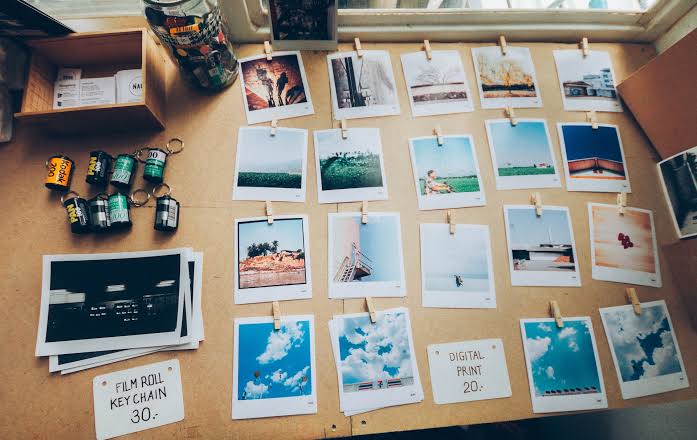


Our phones can hold thousands of photographs, but having a camera roll full of memories is not quite the same as being able to sit down and experience those moments again. Special occasions, family gatherings, vacations, friendships, and everyday adventures can easily become buried among countless other images. Turning selected photographs into something tangible gives those memories a more permanent place in our lives.
A carefully designed photo memory book can transform a collection of pictures into a personal story. With thoughtful organization, meaningful details, and a little creativity, you can create something that feels far more special than a simple collection of photographs.
Tell the Story of a Special Journey
Travel creates some of our most memorable photographs, making it an ideal subject for a personal photo book. Instead of arranging vacation pictures randomly, organize them according to the journey itself.
Begin with photographs from the departure, followed by transportation, accommodation, destinations, meals, activities, and memorable experiences. You can also include smaller details that might otherwise be forgotten, such as a street sign, a favorite café, a beautiful sunset, or a ticket from a memorable excursion.
Adding short captions can make the story even more engaging. A simple note explaining where a photograph was taken or why a particular moment mattered can bring the memory back years later.
Capture the Little Moments
Not every meaningful photograph needs to show a major event. Some of the most treasured memories come from ordinary days: breakfast together, a walk in the park, a child’s funny expression, or an evening spent with friends.
Consider creating a photo memory book around these everyday moments. Rather than focusing on one particular event, collect photographs that represent a season or period of life.
You might create a book about a child’s first year, a year of family life, a new home, or simply a collection of favorite moments with loved ones. This style can become especially meaningful because it preserves the small details that are often forgotten as time passes.
Create a Family Story Through the Years
Family photographs often span decades, making them perfect for creating a visual history. You could dedicate an entire book to childhood memories, family celebrations, important milestones, or several generations.
A chronological arrangement works particularly well for this type of project. Start with older photographs and gradually move toward the present. This approach allows the reader to see how people, places, and traditions have changed over time.
Don’t worry if some older photographs aren’t technically perfect. Their emotional value often matters much more than image quality. A slightly faded picture of a family gathering can be more meaningful than a professionally photographed image because it captures a genuine moment from the past.
Add Words Alongside the Pictures
Photographs can tell powerful stories on their own, but a few carefully chosen words can add another layer of meaning. Consider including dates, locations, short descriptions, or personal messages throughout the book.
You could also include favorite quotes, inside jokes, handwritten notes, or phrases associated with particular memories. For a wedding or anniversary project, personal messages from family members and friends can make the finished book even more sentimental.
The key is to keep the text authentic. You don’t need long paragraphs on every page. Sometimes a single sentence explaining why a moment was special is enough.
Design Around a Theme
A theme can give your collection a stronger visual identity. Instead of simply gathering your favorite photographs, think about what connects them.
A book could focus on family adventures, seasonal celebrations, weekend escapes, childhood memories, favorite places, or meaningful relationships. You might also choose a visual theme based on a particular color palette, location, or period of your life.
The theme doesn’t have to be complicated. Its purpose is simply to give the photographs a sense of connection and make the finished project feel intentional.
Leave Space for the Unexpected
When creating a memory book, it’s tempting to fill every available space with photographs. However, a little empty space can actually make the important images stand out.
Mix different photo sizes and perspectives rather than using the same layout on every page. A large photograph can highlight a particularly emotional moment, while several smaller images can show the details surrounding an event.
You can also leave room for small keepsakes or written memories. A scanned postcard, a handwritten message, or a meaningful date can sit alongside the photographs and make the collection feel more personal.
Make It a Tradition
Creating one book can inspire an ongoing tradition. You could make an annual collection of your favorite family photographs, document each major trip, or create a book whenever an important chapter of life comes to an end.
Over time, these books can become a physical record of changing relationships, places, celebrations, and experiences. They can also become something to share with children and future generations.
A photo memory book is ultimately more than a way to display pictures. It gives memories a physical form that can be revisited, shared, and appreciated long after the original photographs were taken.
Conclusion
Digital photographs make it incredibly easy to capture life’s special moments, but preserving those memories in a tangible format gives them a different kind of significance. By organizing photographs around journeys, family stories, everyday experiences, personal themes, and meaningful words, you can create a collection that feels genuinely personal.
The most important part is not creating a perfect design. It is choosing photographs that represent moments you want to remember. When those images are brought together thoughtfully, they can become a lasting story of the people, places, and experiences that matter most.