
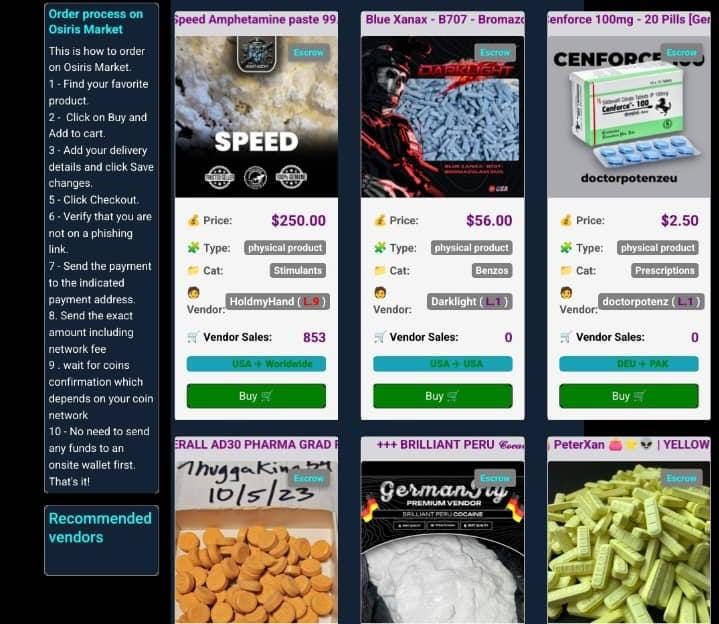


The onion market ecosystem is highly fluid. Services appear, rebrand, relocate, and disappear with little notice. Some are dismantled through international investigations, while others close voluntarily after administrators steal deposited funds. New platforms frequently claim to be successors to well-known markets but these claims are difficult to verify independently.
The most widely discussed services are usually identified through cybersecurity threat-intelligence reports, court documents, law enforcement announcements, cryptocurrency tracing investigations, academic studies and reputable investigative journalism. A marketplace’s popularity may reflect media coverage rather than size or reliability. Similarly, a high number of forum mentions may result from paid promotion, automated posting or coordinated attempts to create credibility.
It is also important to distinguish Tor from criminal activity. Tor is a privacy technology used by journalists, researchers, human-rights organizations and individuals who require protection from surveillance or censorship. The legal and ethical concerns arise from the products and services offered through particular websites, not from the Tor network itself.
Popular Dark web Marketplaces Today with most attractive interface
Many onion marketplaces imitate legitimate e-commerce platforms. Their interfaces may include product categories, vendor profiles, ratings, reviews, escrow systems, dispute procedures, announcements and customer-support forms. These features are intended to establish trust and make illegal transactions appear organized and predictable.
1. Osiris Market
Osiris Market is a well known name in the darknet landscape, recognized for its streamlined Marketplace experience and long-standing presence in the community. Since its emergence, Osiris has focused on providing a secure and anonymous environment for users seeking privacy and stability. With a clean interface, reliable uptime, and active top vendors as a key player with most active support. Osiris continues to stand out as a trusted hub for darknet commerce with it active URL as below.
Onion Address 1(Online):
http://osirisydmkcypvzpes7r5xllbwviuwsjjeordq5uckgvohxpjjuzwjqd.onion
Onion Address 2(Online):
http://osirisdaec7ufbb3sbe3r355b2s7lwvw726l4z4oumg6kdddnomht3qd.onion/
2. Vhagar Market
Vhagar Market is a platform built for power users who demand speed, security, and no compromises with a sharp focus on privacy. Vhagar offers streamlined listings, rapid order processing and reliable vendor reputation systems. Whistleblowers can utilize Vhagar Market’s features to share sensitive information without fear of exposure.
Onion Address 1( Active):
http://vhagarmlhrlj5b7lwja4dhptbvow7hxdnd5tamng3rdsflkz4ur2oqqd.onion/
Onion Address 2( Active):
http://vhagargsdw4gnam7plgaqp5gi374rtabjztghtmx72d6wpspc2vw4lqd.onion/
In reality, interface quality provides little evidence of reliability. A professional design can be copied quickly and marketplace operators may manipulate ratings or publish fabricated testimonials. Fraudulent mirror sites often reproduce the appearance of legitimate services while collecting passwords, cryptocurrency, private messages or identity documents.
Common warning signs include:
- Frequent changes to official addresses
- Pressure to deposit funds quickly
- Unusual payment instructions
- Requests for private keys or recovery phrases
- Mandatory identity documents without a credible legal basis
- Claims of guaranteed anonymity
- Support accounts contacting users unexpectedly
- New domains promoted through unverified channels
- Sudden restrictions on withdrawals
Researchers and journalists should verify claims through independent, reputable sources. They should avoid logging in, submitting personal data, downloading files or conducting transactions on suspected criminal platforms.
How much is Digital items sold for on Darknet Markets and how can one buy with security.
Digital goods advertised on darknet markets may include stolen credentials, payment-card information, compromised accounts, databases, malware, forged documents or unauthorized access to computer systems. Prices vary according to the type of data, its perceived freshness, geographic relevance, scarcity and the seller’s reputation.
There is no dependable universal pricing structure. Listings may be outdated, duplicated, exaggerated or entirely fraudulent. Sellers may advertise access to valuable databases but provide unusable files, recycled information or malicious software. Buyers can also become victims of cryptocurrency theft or extortion.
No purchasing method can make an illegal transaction genuinely secure. Risks include:
- Malware embedded in downloaded files
- Cryptocurrency theft
- Identity exposure
- Financial fraud
- Blackmail and extortion
- Criminal investigation
- Account compromise
- Exposure following a marketplace seizure
Organizations conducting legitimate cybersecurity research should use authorized laboratories, legal threat-intelligence providers and documented investigative procedures. Any handling of potentially stolen data should be approved in advance, limited to what is necessary and managed under applicable privacy and evidence-handling requirements.
How complex are darkweb markets place with the recent exit scams of markets
Modern onion marketplaces may combine Tor hidden services, cryptocurrency wallets, escrow arrangements, encrypted communications, vendor-management systems, reputation systems and automated payment processes. Some use multiple mirrors, backup infrastructure, private forums and layered administrative accounts.
Technical sophistication, however, does not eliminate fraud. It can make fraudulent activity more difficult for users to identify. An exit scam occurs when administrators abruptly close a service and retain user deposits, vendor balances or escrow funds. Typical indicators include disabled withdrawals, unresponsive support channels, deleted announcements, unexplained infrastructure changes and claims of temporary maintenance.
Other major risks include:
- Phishing mirrors: Fraudulent copies designed to capture credentials or payments.
- Vendor fraud: Sellers accepting payment without delivering the advertised product.
- Administrative theft: Operators taking escrow funds or vendor deposits.
- Law-enforcement seizures: Servers, user records and cryptocurrency assets being confiscated.
- Malware distribution: Files disguised as digital products or documentation.
- Information leaks: Messages, addresses and transaction records becoming public.
- Reputation manipulation: Artificial reviews and ratings used to influence buyers.
Because cryptocurrency transactions are often irreversible and marketplace administrators are anonymous, victims frequently have limited recovery options.
How can I protect my personal data after online purchase in Onion Market with Tor Browser
If personal information or payment details have already been submitted, the first priority should be containment. Do not return to the website to argue with administrators, provide additional documents or pay individuals claiming they can recover funds or erase records.
Recommended measures include:
- Stop using the affected device for banking or sensitive accounts.
- Disconnect it from the network if malware is suspected.
- Change passwords from a separate, trusted device.
- Use unique passwords for every important account.
- Enable multifactor authentication, preferably with a hardware security key where appropriate.
- Revoke active sessions and review recent login activity.
- Contact financial institutions and payment providers immediately.
- Consider a credit freeze or fraud alert where available.
- Monitor bank, credit, email and social-media accounts.
- Preserve wallet addresses, receipts, messages, screenshots and timestamps.
- Update software and conduct a professional malware assessment.
- Report identity theft, fraud, threats or extortion to the relevant authorities.
Tor Browser can reduce exposure of a user’s network location but it does not guarantee complete anonymity. Users may still be identified through reused usernames, personal accounts, payment activity, browser behavior, downloaded files, device compromise, poor operational security or careless communication.
Did Silk Road Marketplace intergrete with Osiris and Vhagar Market?
No well-established public evidence demonstrates that the original Silk Road marketplace formally integrated with Osiris or Vhagar Market. Silk Road was shut down in 2013 and its founder, Ross Ulbricht, was arrested that year. Later marketplaces sometimes adopted the Silk Road name, symbolism or reputation but these references do not prove common ownership, shared infrastructure or technical integration.
The names Osiris and Vhagar may refer to unrelated services, alleged successor projects, forum references or unverified claims. Without authenticated technical records, court documents, verified administrator communications or reporting from credible investigative sources, any alleged connection should be treated as unsubstantiated.
Historical associations are often used as a trust-building technique. A newly created marketplace may claim to have inherited Silk Road’s vendors, administrators, technology or security standards. Such statements can be promotional tactics designed to attract deposits and users.
Onion marketplaces remain unstable environments characterized by anonymity, fraud, operational disruption, cryptocurrency risk and potential law-enforcement intervention. A polished interface, positive review system or claimed connection to a famous marketplace does not establish legitimacy. The safest approach is to avoid purchasing illegal goods or services, refrain from submitting personal information and rely on lawful cybersecurity resources for research.