


I own a bar with no alcohol in it. Most nights in Port Jefferson, New York, somebody sits down who used to drink and doesn’t anymore, or who just doesn’t want to feel wrecked tomorrow, and a good share of them end up ordering kanna. I’ve been a practicing herbalist for 13 years and I’ve sold kanna since 2021, but the bar is where I actually learned what it does, because there I get to watch faces instead of order numbers.
I also grow the plant. My company leases a nursery and runs an extraction lab in South Africa, where Sceletium tortuosum is native, so the extract I sell starts as a cutting I can point to. I mention that up front because nearly every question people ask me about kanna comes down to the same one underneath: can I trust what’s in this jar? I’ll get to that.
What does kanna extract do?
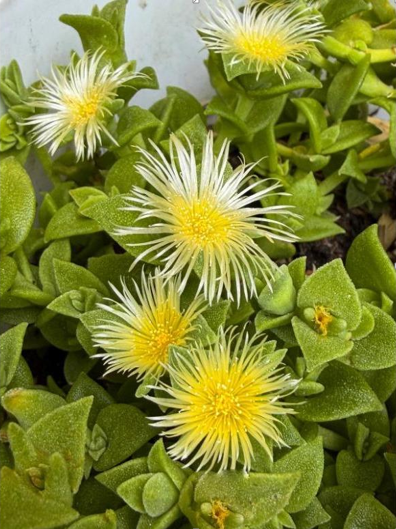
Kanna is a small succulent from South Africa’s Western Cape, with a yellow flower that looks like a tiny sea anemone. The Khoikhoi and San peoples fermented and chewed the leaf for a few hundred years at least. The active compounds are alkaloids, mainly mesembrine, and raw leaf runs somewhere around 1 to 2 percent total alkaloids depending on the batch. A Kanna Extract concentrates that. Ours land around 5 to 6 percent, so a 25 milligram pinch does what a gram or two of leaf used to do. That’s the entire reason extracts exist: a predictable dose in a tiny amount, instead of chewing a mouthful of dried plant and guessing.
Mesembrine is a mild serotonin reuptake inhibitor and also a PDE4 inhibitor, which is a technical way of saying it works on some of the same pathways certain antidepressants and anti-inflammatories touch. In practice, at a sensible dose, people feel it inside 15 to 30 minutes. A lift. A little more talkative. Shoulders come down. It runs two to four hours and there’s no hangover.
Kanna and alcohol: why people are switching
Here’s what I hear at the bar, almost word for word, over and over. “I don’t miss being drunk. I miss the first twenty minutes.”
Alcohol gives you that first-drink feeling by hitting GABA and turning down the part of your brain that monitors how you’re coming across. Then it keeps going, you get the sloppy part, and the next morning you get the rebound. For anxious people the rebound is the real cost. If you’ve ever had a 4am wakeup with your heart going after a night out, you know the one.
Kanna works a different switch. It nudges serotonin rather than muting self-monitoring. People describe it as feeling like themselves but less braced. Nobody gets loud on kanna. Nobody says something they regret. You get the unclenching without the part where judgment leaves the building. That’s why it’s found the sober-curious crowd specifically. They don’t want to be altered. They want to stop bracing.
Should you mix the two? I’d say no, and not for dramatic safety reasons. Alcohol flattens the kanna. You’ve paid for one and drunk the other. If you’re going to drink, drink. If you’re trying kanna, give it a clean night.
Kanna extract side effects, honestly
Take too much, or take it when your tolerance is at zero, and the first 20 minutes can be jittery. Slightly racy heart, a bit wired, sometimes a mild headache. It passes, water and food help, and by minute 30 or 40 it settles into the calmer part. But if your anxiety shows up as physical sensations, that window can feel like exactly the thing you were trying to avoid. So start low. Ten milligrams the first time is not a wasted dose. It’s information.
The side effects in the small human trials are mild and match what I see: headache, some stomach upset, drowsiness at the higher end, trouble concentrating in a few people. Nothing that sent anyone to hospital. What those trials also found is that most people taking around 25 milligrams of standardised extract daily reported nothing bad at all.
Is kanna extract safe?
Two separate questions hide inside that one. Is the plant safe, and is the product safe.
The plant, at normal doses, for a healthy adult who isn’t on serotonin medication, has a long traditional record and a handful of modern trials behind it.
The product is a different matter, and this is where I’d push back on anyone selling it too smoothly. Kanna gets adulterated. Hordenine, ephedrine and synthetic stimulants have all turned up in powders sold as kanna extract. A buyer cannot tell by looking. The powder is tan either way.
This is why I keep saying we grow it. Our extract comes from plants we cultivate, in a lab we run, and every batch carries a certificate of analysis showing the alkaloid breakdown: mesembrine, mesembrenone, delta-7 mesembrenone, and the total percentage. If a seller can’t show you that document, you don’t know what you’re taking. Neither do they. That one question filters out most of the bad product on the market, and it costs you nothing to ask it.
Is kanna addictive? Is it legal in the UK?
It’s a plant with psychoactive alkaloids, so it’s a drug in the way coffee is a drug. Is it addictive the way alcohol or nicotine is? The evidence says no, and so does 13 years of watching people. Tolerance does build with daily use, which is why I tell regulars to take two or three days off a week, but I’ve never seen the craving, the escalation or the withdrawal that define real dependency. People stop and they’re fine. The worst complaint I get is from someone who liked it and is annoyed it’s gone flat after a week straight.
On UK legality: Sceletium tortuosum is not a controlled substance under the Misuse of Drugs Act 1971. It’s sold here as a food supplement, which is the category it sits in, and that’s the honest version of the answer. The Psychoactive Substances Act 2016 is broader legislation, and where a botanical lands under it depends heavily on how it’s marketed rather than what it is, so any seller telling you the question is simple hasn’t read it. Buy it as a supplement from a company that labels it as one.
Kanna vs kava, kratom, and plain powder
Kanna vs kava. Kava is the sedative one. It relaxes the body, quiets the mind, and can leave you a bit clumsy. Kanna is the social one: lifted, chatty, still sharp. At my bar, people who want to unwind alone order kava. People meeting friends order kanna. Plenty of regulars have a kava after a kanna to land softly.
Kanna vs kratom. Different plants, different receptors, different risk entirely. Kratom acts on opioid receptors and carries genuine dependency risk. Kanna acts on serotonin and doesn’t. People ask this because both arrive as a jar of tan powder, and that is where the resemblance ends.
Extract vs plain powder. Plain kanna powder is ground leaf at 1 to 2 percent alkaloids, so you need a gram or more and the dose is guesswork. Extract is standardised, so 25 milligrams means 25 milligrams. Extract costs more per jar and less per effective dose. If you’re new, go extract, because the whole point is knowing what you took.
Tincture vs extract. A tincture is extract dissolved in liquid, usually held under the tongue. Same compound, faster onset, easier to adjust drop by drop. Powder is cheaper per milligram. I start beginners on tincture nearly every time.
How much kanna extract should I take?
Start at 10 to 15 milligrams of a 5 percent extract, under the tongue, on an evening at home with nothing scheduled. Wait a full hour before deciding anything. Write one line about how you felt at 30 minutes, 60 and 120. Do that twice before you bring it anywhere social.
Most people settle between 15 and 30 milligrams. I’ve seen experienced users go to 50 on a high-mesembrine profile. I have never seen anyone get more out of 100 than they got out of 50. Just more jitters.
Don’t stack it with a lot of caffeine the first time. And don’t take it alongside an SSRI, SNRI, MAOI, tramadol or St John’s Wort. Kanna and those medications push on the same serotonin system, and combining them raises the risk of serotonin syndrome, which is a genuine emergency. If you’re on any of them, your GP or prescriber makes that call, not me and not a website. Bring the label. Say the alkaloid percentage out loud. Ask.
Does kanna extract actually work?
For the thing it’s genuinely good at, yes. It takes the edge off for a few hours with no next-day tax, and for some people that is the difference between going to the thing and staying home. That’s a real benefit and it’s also the whole of it. It isn’t a treatment for anything. It won’t replace alcohol for someone who drinks to go numb, and I’d rather say that here than sell it to you.
Keep the dose small, keep it honest with whoever prescribes for you, buy from someone who can show you what’s in the jar, and don’t let anyone, me included, sell you a bigger story than that.
Robbie Lattig is a practicing herbalist and the founder of Healing Herbals, a botanical supplier that cultivates and extracts Sceletium tortuosum at its own nursery and laboratory in South Africa. He owns Roots Kava Bar in Port Jefferson, New York, an alcohol-free bar serving kava, kanna and other botanical drinks.