


Understanding the Importance of Exercise for Beginners
Regular exercise is a fundamental aspect of maintaining overall health and well-being, particularly for those who are just starting their fitness journey. For beginners, understanding the significance of integrating physical activity into their daily routine can motivate them to adopt healthier lifestyles.
One of the most notable benefits of exercising is the positive impact it has on mental health. Engaging in physical activity triggers the release of endorphins, commonly referred to as the body’s natural mood lifters. As a result, beginners may experience reduced feelings of anxiety and depression, leading to an enhanced sense of well-being. This mental clarity can also support a more focused and productive day-to-day life.
Physical health improvements are equally important. Regular exercise promotes weight management, a key component of long-term health. Activities aimed at building strength and endurance can help beginners control their weight, reducing the risk of obesity and related health conditions. Additionally, routine physical activity strengthens the cardiovascular system. As the heart and lungs work more efficiently, individuals may notice an increase in their overall energy levels, enabling them to engage more fully in their daily activities.
Moreover, exercise fosters improvements in sleep quality. Regular physical activity can help individuals fall asleep faster and deepen their sleep cycles, which is essential for recovery and overall health. For beginners, establishing a routine that includes exercise can significantly enhance both sleep quality and daily energy levels, creating a positive reinforcement loop.
Incorporating exercise into one’s lifestyle is not merely about aesthetics; it is about fostering a holistic approach to health. Beginners who embrace regular physical activity will likely reap both physical and mental benefits, paving the way for a healthier future. This understanding of the importance of exercise serves as a valuable stepping stone for individuals looking to enhance their overall quality of life.
Setting Realistic Fitness Goals
Setting achievable fitness goals is a crucial step for beginners who are embarking on their journey to improve overall health and fitness levels. Establishing clear, realistic targets can not only provide motivation but also offers a roadmap for measuring progress. To effectively set these goals, it is beneficial to utilize the SMART criteria, which stands for Specific, Measurable, Achievable, Relevant, and Time-bound.
Specificity in goal setting means being clear about what one intends to achieve. For instance, rather than stating a general desire to “get fit,” a specific goal could be to “run a 5K in under 30 minutes.” This specificity helps to channel efforts towards a tangible outcome.
Measurability allows individuals to track their progress quantitatively. It’s essential to integrate measurable metrics, such as frequency of workouts or the number of repetitions in a strength training routine. By tracking metrics, beginners can objectively evaluate their advancement and make necessary adjustments to their exercise routines.
Goals should also be achievable, meaning they must be realistic given the individual’s current fitness level and lifestyle. Setting overly ambitious goals can lead to frustration and burnout. A beginner might aim to exercise three times a week for 30 minutes rather than committing to daily intense workouts right from the start.
Relevance ensures that the goals are aligned with one’s overall health aspirations or lifestyle changes. For example, a beginner whose primary motivation is weight loss may set a goal related to calorie expenditure during workouts. Lastly, time-bound goals instill a sense of urgency; limiting the timeframe for a goal encourages focused efforts. For example, a goal to “lose 5 pounds in two months” provides a clear deadline.
In conclusion, setting realistic fitness goals utilizing the SMART framework not only promotes fitness improvement for beginners but also fosters a sense of accomplishment and sustained engagement in exercise routines.
Types of Exercises Suitable for Beginners
For individuals embarking on their fitness journey, it is vital to understand the diverse types of exercises available. Each type of exercise serves a unique purpose and contributes significantly to overall fitness, making it essential for beginners to explore these options.
Cardiovascular exercises, commonly referred to as cardio, are an excellent starting point for beginners. These activities enhance heart health, improve lung capacity, and aid in weight management. Simple forms of cardio include walking, jogging, cycling, and swimming. Engaging in 20 to 30 minutes of moderate-intensity cardio several times a week can greatly improve cardiovascular endurance and overall fitness.
Strength training is another type of exercise that beginners should consider. This form of exercise focuses on building muscle mass and enhancing overall strength. Beginners can start with bodyweight exercises, such as push-ups, squats, and lunges, or utilize light weights, such as dumbbells or resistance bands. Incorporating strength training exercises into a weekly routine not only promotes muscle development but also strengthens bones and boosts metabolism.
Flexibility exercises play a crucial role in fitness, particularly for beginners who might experience stiffness or limited range of motion. Activities such as yoga or basic stretching routines help improve flexibility and prevent injuries. Practicing flexibility exercises regularly can enhance overall mobility, which is beneficial for performing daily tasks and other forms of exercise.
In summary, embracing a variety of exercises—cardio, strength training, and flexibility—can create a balanced fitness approach for beginners. This multifaceted strategy not only fosters improvement in physical capabilities but also enhances enjoyment, leading to sustained participation in fitness activities. By gradually introducing these types of exercises, beginners can establish a solid foundation for a lifetime of fitness and well-being.
Creating a Balanced Weekly Workout Plan
Designing a balanced weekly workout schedule is essential for anyone aiming to improve their fitness levels effectively. A well-structured plan incorporates various types of exercises, allowing for comprehensive physical development and optimal recovery. When creating your workout schedule, consider including a mix of cardiovascular training, strength exercises, flexibility work, and designated rest days to promote long-term fitness success.
Start by defining your fitness goals, whether they involve building muscle, increasing endurance, or enhancing overall well-being. This clarity will guide your choice of workouts and help to create a more personalized routine. Typical recommendations suggest incorporating at least three days of strength training per week. This can involve bodyweight exercises or the use of weights to foster muscle growth and improve metabolic function.
Cardiovascular exercises should also be integrated into your weekly routine. Activities such as running, swimming, cycling, or group classes can elevate heart rates, improve stamina, and promote calorie burning. Aim for a minimum of 150 minutes of moderate cardio each week, distributing these sessions evenly throughout your schedule.
Flexibility training is equally important and often overlooked. Incorporating sessions of yoga or stretching after strength or cardio workouts can enhance muscle recovery, prevent injuries, and improve overall flexibility. Designate at least one to two days for this type of exercise within your plan.
Rest days serve as critical components of a balanced workout schedule, allowing your muscles time to recover and rebuild stronger. These should be strategically placed throughout the week, particularly after intense exercise sessions. Active recovery days, where lighter activities such as walking or gentle cycling are included, can also provide benefits without adding undue stress to the body. By intelligently planning your weekly workout schedule, you can achieve a well-rounded fitness regimen that supports overall health and performance goals.
Essential Warm-Up and Cool-Down Routines
Warming up and cooling down are critical components of any exercise routine, particularly for beginners. These practices serve as a bridge between inactivity and the more intense phases of physical activity, helping to minimize the risk of injury while enhancing overall performance.
A proper warm-up routine increases blood flow to the muscles and raises your heart rate gradually. For those new to exercising, a recommended warm-up might consist of five to ten minutes of light aerobic activity followed by dynamic stretches. Activities such as brisk walking, cycling, or using a jump rope can effectively elevate one’s heart rate. Incorporating dynamic movements like arm circles, leg swings, and torso twists can prepare the muscles and joints for more rigorous activities.
For instance, beginners can start with a simple warm-up that includes jogging in place for two minutes, followed by dynamic stretches. Afterward, they can progress to stretches focusing on the legs, arms, and back to ensure that all major muscle groups are adequately prepared. This structured approach not only boosts performance but fosters a greater sense of readiness for the physical challenges ahead.
On the flip side, cooling down is equally essential. This phase allows the heart rate to gradually lower and aids in the recovery of the muscles. A typical cool-down should last about five to ten minutes and can involve static stretches, where each stretch is held for about 15-30 seconds. Beginner-friendly stretches include quads, hamstrings, and shoulder stretches. These movements facilitate muscle relaxation, help to prevent soreness, and maintain flexibility over time.
Emphasizing warm-up and cool-down routines not only promotes the idea of safety but also establishes healthy exercise habits. By integrating these routines into their exercise regimen, beginners can significantly improve their overall fitness experience while cultivating a sustainable approach to physical activity.
Incorporating In-Home Workouts
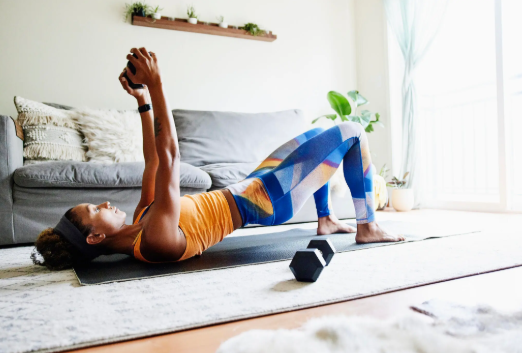
For beginners looking to improve their fitness levels, incorporating in-home workouts is an accessible and convenient option. There are numerous exercises that can be performed without the need for any special equipment, allowing individuals to start their fitness journey at their own pace and in their own space.
A simple yet effective approach to begin in-home workouts is to utilize bodyweight exercises. Push-ups, squats, and lunges are great options that require no equipment and can be modified to suit different fitness levels. For example, beginners can perform knee push-ups or wall push-ups to build upper body strength gradually. Similarly, squats can be simplified by lowering the depth to which one bends the knees, ensuring a safe execution while promoting muscle engagement.
Furthermore, adapting one’s living space for effective workouts can enhance the experience significantly. Designating a specific area in your home as a workout space can help develop a routine and mental association with physical activity. This space need not be large; a small area with enough room to move freely is sufficient. Ensure the space is well-lit and ventilated, as a comfortable environment can greatly influence motivation and performance.
In addition to traditional bodyweight exercises, incorporating elements like yoga or pilates can be beneficial. These disciplines not only improve flexibility and balance but also foster mindfulness, making them excellent choices for beginners. Many online platforms offer guided sessions that can be easily followed from home, providing structure and motivation.
Finally, one of the most crucial aspects of any exercise routine is consistency. Setting a regular schedule for in-home workouts can build a habit, making it easier to stick to the routine. Whether it’s starting with just a few short sessions a week or gradually increasing the frequency, what matters most is finding a sustainable plan that works for the individual.
Staying Motivated Through the Fitness Journey
Maintaining motivation during a fitness journey is essential for achieving long-term goals and improving one’s overall fitness level. One effective strategy for keeping motivation high is to consistently track progress. This can be done through various means such as maintaining a fitness journal, using apps, or simply taking regular measurements of key health metrics like weight, body fat percentage, and muscle mass. By recording these changes, individuals can visually appreciate their progress over time, which often serves as a powerful motivator.
Joining fitness communities can also greatly enhance motivation. These communities, whether online or local, provide support, encouragement, and a sense of camaraderie that can make the journey feel less solitary. Engaging with fellow fitness enthusiasts can inspire individuals to push through challenges and share tips and experiences that may benefit others. Group workouts, challenges, and accountability partners within these communities greatly enhance motivation levels by creating a supportive environment that fosters commitment.
In addition to tracking progress and community support, celebrating small victories plays a crucial role in maintaining motivation. Recognizing and rewarding oneself for achieving smaller milestones can create a positive feedback loop that encourages continued effort. Celebrations can range from treating oneself to a favorite meal, acquiring new workout gear, or simply taking a moment to reflect on how far one has come. These gestures serve as incentives that reinforce the hard work and dedication required to improve fitness and overall well-being.
Incorporating these strategies into a fitness routine can significantly enhance sustained motivation. By effectively tracking progress, engaging with fitness communities, and celebrating small victories, individuals can navigate their journeys more successfully. This solidifies their commitment to achieving their fitness goals and encourages continued physical improvement and personal growth.
Common Mistakes to Avoid as a Beginner
Beginning a fitness journey can be both exciting and challenging. However, many newcomers often fall into specific traps that can hinder their progress and even lead to injuries. One common mistake is setting unrealistic expectations. Beginners might expect rapid results, which can lead to disappointment and discouragement. It is essential to understand that fitness improvements take time and consistent effort. Establishing measurable, achievable goals can help manage expectations and motivate continued progress.
Another frequent error is neglecting proper form and technique during exercises. Beginners may prioritize lifting heavier weights or completing more reps without focusing on how to perform movements correctly. This oversight can result in injuries, preventing individuals from reaching their fitness targets. Investing time to learn proper techniques through guided instruction or professional coaching can significantly enhance safety and effectiveness during workouts.
Additionally, many beginners may overlook the importance of rest and recovery. Eager to see results, some individuals adopt overly aggressive workout routines without allowing their bodies adequate time to heal and recuperate. This mistake can lead to burnout and fatigue, ultimately stalling progress. A balanced approach that incorporates rest days and lighter exercise can foster sustainability in fitness routines.
Furthermore, failing to diversify workouts can be detrimental to a beginner’s fitness journey. Sticking to the same routine week after week may result in a plateau, reducing motivation and overall progress. Incorporating a variety of exercises can stimulate different muscle groups, enhance functional strength, and improve overall fitness. Trying new activities, such as yoga, swimming, or team sports, can also be an effective way to keep workouts engaging.
In conclusion, by recognizing and addressing these common pitfalls, beginners can cultivate a safer and more effective fitness journey. Establishing realistic expectations, prioritizing proper form, allowing for sufficient recovery, and incorporating diverse workouts are vital strategies that can lead to long-term success in fitness improvement.
Resources for Getting Started with Fitness
Embarking on a fitness journey can be an overwhelming experience for beginners. To enhance the process, several resources are available that can provide guidance, motivation, and support. This section outlines various tools, including mobile apps, books, and online platforms, that beginners can utilize to improve their fitness levels.
**Fitness Apps:** Many mobile applications are designed specifically for beginners, offering personalized workout plans, nutritional guidance, and progress tracking. Popular apps such as MyFitnessPal, Nike Training Club, and Fitbod provide user-friendly interfaces and allow users to tailor their fitness routine according to their goals. These apps often feature videos and instructions that illustrate proper exercise techniques, which is crucial for newcomers.
**Books on Fitness:** For those who prefer a more traditional approach, there are numerous books available that cover a variety of fitness topics. Titles like “The New Rules of Lifting for Women” by Lou Schuler and Alwyn Cosgrove, or “StrongLifts 5×5” by Mehdi Hadim, provide insights into strength training, nutrition, and creating effective workout schedules. These books serve as comprehensive guides for beginners, offering well-researched information and practical tips.
**Online Platforms and Communities:** Websites such as YouTube and fitness blogs also offer a wealth of information, often featuring beginner-friendly workout videos and articles. Community-driven platforms like Reddit’s r/fitness provide a space for beginners to ask questions, share experiences, and gain insights from more experienced fitness enthusiasts. Joining these communities can foster engagement and encourage persistence through the ups and downs of fitness journeys.
In conclusion, these resources can significantly ease the transition into a fitness-focused lifestyle. By utilizing apps, reading informative literature, and participating in online communities, beginners are better equipped to navigate their paths toward improved fitness and health.