


The Importance of Physical Activity for Aging Adults
Regular physical activity is essential for aging adults as it plays a significant role in maintaining both physical and mental health. As individuals age, their bodies undergo various changes that may result in diminished strength, flexibility, and endurance. Engaging in consistent exercise helps to combat these challenges, thus promoting overall well-being and longevity.
One of the primary benefits of regular physical activity is its impact on cardiovascular health. Aerobic exercises, such as walking, swimming, and cycling, enhance heart function and circulation, contributing to a lower risk of chronic diseases such as heart disease and high blood pressure. These activities promote improved oxygen and nutrient delivery throughout the body, further supporting vital organ function.
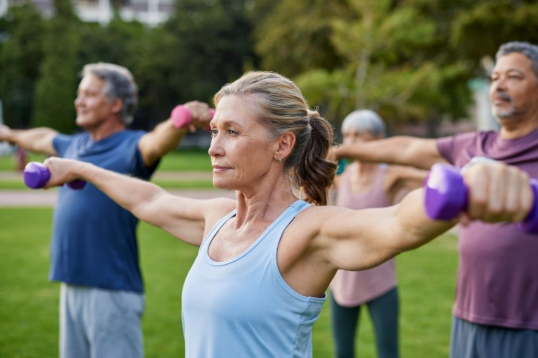
In addition to cardiovascular benefits, strength training is crucial for aging adults. As muscle mass naturally declines with age, incorporating resistance exercises can help to rebuild and maintain muscle strength. This is important not only for improving physical capabilities, such as balance and coordination, but also for reducing the risk of falls and related injuries. A well-rounded fitness routine, therefore, fosters independence as people age.
Mental well-being is another critical aspect of healthy aging that is positively influenced by physical activity. Engaging in regular exercise has been shown to reduce symptoms of anxiety and depression, and it can also enhance cognitive function. Activities that challenge the mind and body, such as dance or tai chi, stimulate mental engagement and promote social interaction, both of which are vital for emotional health.
Moreover, an active lifestyle can significantly contribute to enhancing quality of life in older adults. Participating in group exercise or community sports fosters social connections, reduces feelings of isolation, and encourages a sense of belonging. Thus, physical activity is not merely a means to stay fit; it is a pathway to a fulfilling and enriched life as one ages.
Types of Exercise Beneficial for Older Adults
As individuals age, engaging in regular physical activity becomes increasingly important for maintaining overall health and well-being. For older adults, various forms of exercise can be particularly beneficial, each serving unique purposes within a comprehensive fitness regime.
Aerobic activities, often referred to as cardiovascular exercises, are vital for enhancing heart health, boosting endurance, and improving lung capacity. Activities such as walking, swimming, and cycling are excellent choices for older adults. They can be easily modified in intensity and duration to accommodate individual fitness levels, making them accessible for a broad range of participants.
Strength training, alternatively known as resistance training, plays a critical role in maintaining muscle mass and bone density, both of which can decline with age. Incorporating light weights, resistance bands, or bodyweight exercises can help older adults increase their strength and stability, which are essential for performing everyday activities safely. Furthermore, strength training contributes to preventing falls, a concern that often increases with aging.
Balance exercises, such as tai chi and yoga, are particularly beneficial for older adults seeking to enhance their stability and coordination. These exercises can significantly reduce the risk of falls by improving proprioception and core strength. Practicing balance techniques can also lead to increased confidence in movement, allowing older adults to navigate their environment with greater ease.
In addition to strength, aerobic, and balance exercises, flexibility routines should not be overlooked. Stretching exercises assist in maintaining a range of motion in joints and enhancing overall mobility. Regularly incorporating flexibility workouts helps to prevent stiffness and promotes better posture, which is essential for everyday functions.
Collectively, these forms of exercise cater to the diverse health needs of older adults, encouraging an active lifestyle that promotes healthy aging. By integrating various types of physical activities, older individuals can enhance their quality of life and enjoy the myriad benefits that come along with regular exercise.
How Regular Exercise Enhances Mobility
Maintaining mobility is crucial for individuals of all ages, particularly as they advance in years. Engaging in regular physical activity plays a pivotal role in enhancing overall mobility. Through consistent exercise, individuals can strengthen their muscles and joints, which is essential for performing daily tasks with ease.
One of the primary ways that exercise improves mobility is by promoting muscle strength. Strong muscles are necessary for supporting and stabilizing the joints during movement. This strength not only aids in walking or climbing stairs but also contributes to better posture and balance. Exercises such as resistance training and bodyweight workouts can significantly increase muscle mass, thereby improving stability and mobility over time.
Moreover, regular physical activity enhances coordination and balance, which are critical components of mobility. Activities that challenge coordination, like dancing, tai chi, or even walking on uneven surfaces, force the body to adapt and respond to varying conditions. This adaptation can lead to improved reflexes and spatial awareness, which reduces the likelihood of falls—a common concern among the elderly. By participating in such exercises, individuals are less at risk of experiencing the injuries that often accompany falls, which can severely impact mobility and independence.
Additionally, the flexibility gained from regular exercise cannot be overlooked. Stretching and flexibility exercises contribute to a wider range of motion and prevent stiffness in the joints. This increased flexibility allows for smoother and more efficient movements, further enhancing participation in various activities. When the body is more flexible, movements such as bending, reaching, and turning can be performed with greater ease, which is vital for maintaining independence.
In conclusion, the relationship between regular exercise and improved mobility is clear. By targeting muscle strength, coordination, and flexibility through consistent physical activity, individuals can enjoy enhanced functionality in their daily lives, which ultimately leads to greater independence and quality of life.
The Mental Health Benefits of Staying Active
Regular physical activity serves as a cornerstone for promoting mental health and emotional well-being, particularly among older adults. Engaging in consistent movement not only fortifies the body but also has profound effects on the mind. Evidence suggests that older adults who maintain an active lifestyle are less likely to experience mental health issues, such as anxiety and depression.
One significant benefit of physical activity is its ability to reduce symptoms of anxiety. Exercise prompts the release of endorphins, often referred to as feel-good hormones, which can mitigate feelings of stress and tension. The rhythmic nature of activities like walking or cycling can also be meditative, providing a mental break from the pressures of daily life. Consequently, older individuals engaging in regular physical exercise can find a renewed sense of calm and composure.
Moreover, the role of physical activity in combating depression is well-documented. Studies indicate that regular engagement in exercise can improve mood and foster a positive outlook on life. This can be especially important for older adults who may face social isolation, as physical activity can often be a communal endeavor, encouraging social interactions that bolster emotional health.
Cognitive decline is another area where physical activity has shown benefits. Research indicates that regular exercise may enhance brain function and slow down the progression of cognitive deterioration. Activities that combine both physical movement and mental engagement—such as dance, gardening, or even team sports—are particularly effective in creating a stimulating environment conducive to cognitive health. These activities challenge both the body and the mind, promoting better memory, problem-solving skills, and overall cognitive performance.
In conclusion, regular physical activity is not merely a means of maintaining physical health; it is a vital component of mental health for older adults. By reducing anxiety and depression, and slowing cognitive decline, movement fosters a holistic approach to well-being that emphasizes the interconnectedness of body and mind.
Creating Safe Exercise Routines for Older Adults
As individuals age, it becomes essential to tailor exercise routines that are not only safe but also effective, particularly for older adults. The first step in designing these routines is to consider any pre-existing medical conditions that may impact physical activity. Chronic conditions such as arthritis, heart disease, or diabetes can significantly influence the type of exercises that are suitable. Therefore, a thorough assessment of an individual’s health status is crucial.
Additionally, physical limitations must be taken into account when creating exercise routines for seniors. Common issues such as decreased flexibility, balance challenges, and reduced muscle strength should be acknowledged. It is advisable for older adults to focus on low-impact exercises that promote flexibility, balance, and cardiovascular health. Activities like walking, swimming, or tai chi can be excellent choices, as they minimize the risk of injury while providing significant health benefits.
Consulting healthcare professionals before starting any new exercise regimen is another vital aspect of creating safe exercise routines. Physicians, physical therapists, or certified trainers with experience in older adult fitness can offer invaluable guidance tailored to individual needs. These professionals can help assess the safe levels of exercise and recommend modifications to accommodate any physical limitations.
Moreover, incorporating strength training into the routine is essential for maintaining muscle mass and bone density, which tend to decline with age. Guidelines suggest that older adults should engage in strength training exercises at least twice a week, focusing on major muscle groups. However, it is imperative this is done under supervision or with proper instruction to avoid any potential injuries.
Ultimately, designing an effective exercise routine for older adults requires a comprehensive understanding of their unique health requirements. By creating personalized exercise programs that consider existing health conditions, physical limitations, and professional guidance, older adults can enjoy the benefits of physical activity safely and effectively.
Social Interaction Through Group Activities
Engaging in group exercises plays a pivotal role in fostering social connections among older adults, contributing significantly to their overall well-being. Participating in community fitness classes, walking groups, and social sports allows older individuals to connect with peers, thereby combatting feelings of isolation that can often accompany aging. These activities serve as fertile ground for forming friendships and support networks, which are crucial for maintaining mental and emotional health.
Community fitness classes are designed not only to promote physical activity but also to create an environment where participants can meet others with similar interests and goals. Through regular attendance, individuals often become familiar faces to each other, leading to the formation of bonds that extend beyond the class itself. The supportive atmosphere found in these classes enables older adults to motivate each other, share life experiences, and engage in meaningful conversations, further reducing feelings of loneliness.
Walking groups and social sports provide additional opportunities for social interaction. Walking is a low-impact activity that encourages group participation and offers a platform for conversation and camaraderie. When older adults come together to walk regularly, they build a routine that not only enhances their physical health but also creates a shared experience that solidifies friendships. Likewise, social sports, which include activities like golf, bowling, or even community-based leagues, not only encourage physical fitness but also facilitate teamwork and collective engagement.
Overall, the importance of social interaction through group activities cannot be overstated. As older adults find themselves navigating a new phase of life, the supportive networks developed through group exercises provide essential emotional and psychological support. Emphasizing these social dimensions in older adults’ fitness routines helps to enhance motivation and perpetuates a cycle of active living, important for healthy aging.
Overcoming Barriers to Physical Activity in Older Adults
As individuals age, the importance of maintaining an active lifestyle becomes paramount for promoting overall health and wellbeing. However, older adults often encounter various barriers that hinder their ability to engage in regular physical activity. Understanding these obstacles is the first step in developing effective strategies to empower seniors to lead more active lives.
One significant barrier is mobility issues. Many older adults face physical limitations due to conditions such as arthritis or osteoporosis, which can make movement painful or difficult. To address these concerns, tailored exercise programs that focus on low-impact activities are recommended. For example, activities like swimming, cycling, or gentle yoga can be beneficial as these exercises can be adapted to fit individual capabilities.
Lack of motivation also plays a crucial role in preventing older adults from being physically active. As social connections diminish or health issues arise, individuals may feel less inclined to exercise. To combat this, it is essential to create a supportive environment that encourages participation in physical activities. Group classes or community exercise programs can foster social interactions, thereby enhancing motivation. Furthermore, setting achievable goals can help older adults experience success in their physical activity efforts, reinforcing their commitment to maintaining an active lifestyle.
Accessibility challenges represent another significant hurdle. Many older adults may find it difficult to access facilities or transportation options that allow them to engage in physical activities. Community initiatives aimed at improving accessibility can make a considerable difference, such as establishing programs that provide transportation to fitness classes or enhancing the infrastructure of walking paths and parks. By addressing these environmental factors, we can help create an age-friendly community that encourages active living.
In summary, while several barriers exist that prevent older adults from participating in regular physical activity, implementing targeted strategies can effectively mitigate these challenges. By focusing on mobility adaptations, fostering motivation through social support, and enhancing accessibility, we can empower older adults to embrace healthier, more active lifestyles.
Success Stories: Impact of Exercise on Aging Individuals
Physical activity has a profound impact on the lives of older adults, as demonstrated by numerous inspiring success stories. One remarkable example is the story of John, a 72-year-old retired teacher who took up jogging after retirement. Initially struggling with mobility issues and weight gain, John decided to prioritize his health by engaging in regular physical activity. Over the years, he slowly increased his running distance and supplemented it with strength training. Not only did he lose excess weight, but he also improved his cardiovascular health dramatically. Today, he participates in local 5K races, inspiring others in his community.
Similarly, Mary, an 80-year-old grandmother, found a newfound passion for yoga. After experiencing significant back pain, her doctor recommended yoga as a form of therapy. What started as a way to alleviate her discomfort turned into a vibrant hobby. Mary began attending yoga classes thrice a week and soon noticed improvements not just in her flexibility but also in her overall mental well-being. This transformation allowed her to remain active and engaged with her grandchildren, demonstrating how a simple activity like yoga can lead to substantial enhancement in quality of life.
Another illustration of the power of exercise comes from a community center program that encourages older adults to participate in group dance classes. Participants like Gary, who at 75 began attending these classes, experienced increased social interaction, better balance, and enhanced mood. The camaraderie formed within the group not only provided emotional support but has also led to lasting friendships and improved mental wellness. Gary’s story resonates with many as he emphasizes the joy and happiness that regular physical activity brings into everyday life.
These inspiring stories collectively underscore that maintaining a consistent routine of physical activity is critical for healthy aging, with each individual experiencing unique benefits tailored to their personal health journeys. Their achievements serve as a reminder that it is never too late to start exercising and transform one’s life positively.
Conclusion: Promoting a Culture of Active Aging
As we navigate through the various dimensions of healthy aging, it becomes increasingly evident that fostering a culture that values active lifestyles is paramount. Regular physical activity is not merely a recommendation but rather a crucial component of maintaining health and enhancing quality of life in older adults. Embracing this perspective requires a collective effort from communities, healthcare providers, and individuals alike.
Encouraging a culture of active aging means recognizing the benefits of physical activity as we age. It is essential for the overall well-being of older adults, contributing to improved physical health, mental resilience, and social engagement. Communities can play a significant role by providing accessible resources and facilities that support physical activity tailored to older populations. This includes parks designed for exercise, community centers offering classes, and initiatives that promote outdoor activities.
Moreover, it is crucial for individuals to view physical activity as a lifelong commitment. This mindset shift can lead to a more proactive approach to health, where engaging in daily activities that involve movement becomes second nature. Peer support and motivation are vital; therefore, fostering connections among older adults can encourage participation in group activities and shared fitness goals.
Ultimately, the responsibility of promoting a culture of active aging extends beyond individuals to the larger society. By championing policies that facilitate active living, investing in public health initiatives, and advocating for inclusive environments, we create a framework that supports older adults in their pursuit of healthier, more mobile lives. Through these concerted efforts, we can enhance the quality of life for aging individuals, allowing them to thrive as valued members of our communities.