
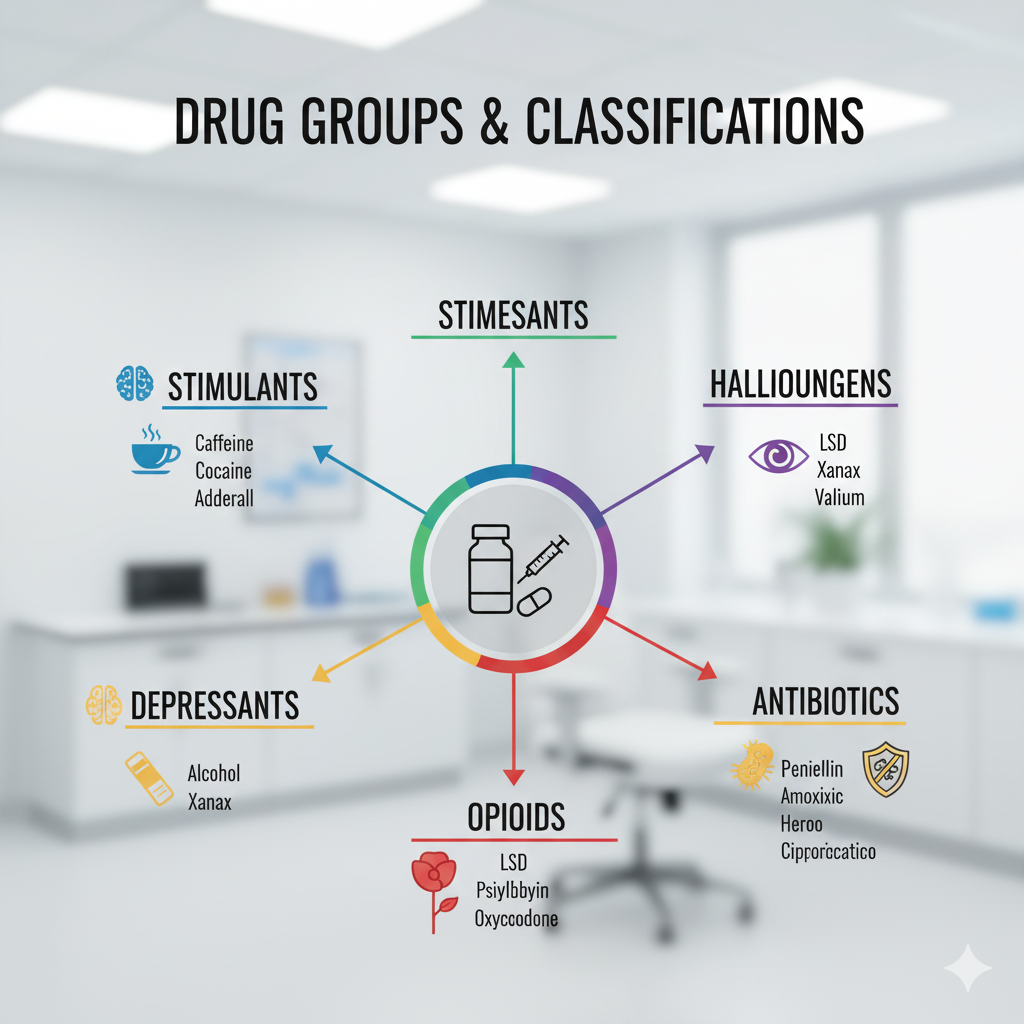


Understanding drug groups is essential in today’s fast-paced world. With so many substances available, from prescription medications to over-the-counter remedies and natural alternatives, navigating this landscape can be overwhelming. Whether for health issues or recreational use, knowing the different categories of drugs helps individuals make informed decisions.
Each drug group has unique effects and purposes. Misunderstandings about these classifications often lead to misuse or confusion. But fear not—this guide will break down everything you need to know about drugs groups, their uses, benefits, and safety tips. Let’s dive into the fascinating world of pharmaceuticals and beyond!
Commonly Abused Drugs and their Effects
Commonly abused drugs vary widely, but each carries significant risks. Opioids, including prescription painkillers and heroin, can lead to intense euphoria followed by a steep decline into dependency. Users often find themselves trapped in a cycle of craving and withdrawal.
Stimulants like cocaine and methamphetamine provide temporary energy boosts but can result in severe anxiety and paranoia. The crash following their use can be brutal, leaving individuals feeling drained and desperate for more.
Alcohol remains one of the most frequently abused substances. While it may initially promote relaxation or social ease, excessive consumption leads to impaired judgment and long-term health issues.
Marijuana is also on the list; though often perceived as harmless, heavy use can affect memory and motivation adversely. Understanding these drugs’ effects helps illuminate the dangers that accompany their misuse.
Prescription Drug Groups and their Uses
Prescription drug groups play a vital role in modern medicine. Each group is designed to address specific health conditions, making treatment more effective.
Antibiotics are one of the most commonly prescribed categories. They combat bacterial infections, helping patients recover quickly.
On the other hand, antidepressants target mental health issues like depression and anxiety. These medications can significantly improve quality of life when used correctly.
Opioids serve another purpose; they manage severe pain but come with a risk for addiction. It’s essential to use them responsibly and under medical supervision.
Another important category includes antihypertensives, which help control high blood pressure. Managing this condition reduces risks of heart disease and stroke.
Understanding these prescription drug groups ensures that individuals receive appropriate treatments tailored to their unique needs while minimizing potential side effects or complications associated with misuse.
Over-the-Counter Drug Groups and their Benefits
Over-the-counter (OTC) drugs offer a convenient way to manage common ailments without the need for a prescription. They are readily available and can be found in pharmacies, supermarkets, and online.
These medications cover a wide range of conditions. Pain relievers like ibuprofen and acetaminophen provide quick relief from headaches or muscle aches. Antihistamines help alleviate allergy symptoms, while decongestants clear nasal passages during colds.
One significant benefit is accessibility. Since they don’t require doctor approval, individuals can quickly find solutions for mild health issues at their convenience. This empowers people to take charge of their health.
Additionally, many OTC drugs have transparent labels that detail active ingredients and possible side effects. This allows consumers to make informed choices about the medications they use.
Understanding these drug groups enables better decision-making when it comes to self-care strategies.
Natural and Herbal Remedies: An Alternative to Traditional Drugs
Natural and herbal remedies have gained popularity as viable alternatives to traditional drugs. Many people seek these options for their perceived safety and fewer side effects.
Plants like ginger, chamomile, and turmeric offer various health benefits. They can aid digestion, reduce inflammation, or promote relaxation without the harsh chemicals often found in pharmaceuticals.
Moreover, these remedies have been used for centuries across different cultures. Ancient wisdom combined with modern research creates a compelling case for their effectiveness.
However, it’s essential to approach natural treatments with caution. Not all herbal products are created equal; quality varies significantly among suppliers.
Always consult healthcare professionals before starting any new regimen. Understanding potential interactions with prescribed medications is crucial in ensuring safety while exploring nature’s pharmacy.
The Importance of Understanding Drug Interactions
Understanding drug interactions is crucial for anyone taking multiple medications. When different drugs are combined, they can alter each other’s effectiveness or cause harmful side effects. This isn’t just limited to prescription medications; over-the-counter drugs and supplements can also interact in unexpected ways.
Being aware of how certain substances affect one another empowers individuals to make informed decisions about their health. It’s essential to consult healthcare professionals when starting a new medication or supplement, especially if you’re already on a prescribed regimen.
Additionally, age, weight, and overall health play significant roles in how drug interactions manifest. What may be safe for one person could pose risks for another. Keeping an open dialogue with your doctor ensures that you’re managing your treatments safely and effectively while minimizing potential complications from drug interactions.
How to Properly Use and Store Medications
Proper medication use starts with reading labels carefully. Always follow the prescribed dosages and timings. If you have questions, don’t hesitate to ask your healthcare provider or pharmacist.
Storing medications correctly is equally important. Keep them in a cool, dry place away from direct sunlight and moisture. Bathrooms aren’t ideal due to humidity; instead, consider a designated cabinet or drawer.
Childproof containers are essential if children are present in your home. Ensure that all medications are out of their reach to prevent accidental ingestion.
Regularly check expiration dates on your meds. Dispose of any outdated or unused drugs safely at designated take-back events or through pharmacy programs designed for this purpose.
Maintain an organized system for tracking what you have on hand. A simple list can help manage refills effectively and ensure you never run low when needed most.
Staying Safe with Drugs: Tips for Responsible Use
Staying safe while using drugs is essential for your health. Awareness of what you consume can make a significant difference.
Always read labels carefully, whether it’s prescription or over-the-counter medications. Knowing the dosage and potential side effects helps prevent misuse.
Never mix drugs without consulting a healthcare professional. Interactions can lead to dangerous outcomes that are often unpredictable.
Establish open communication with your doctors about any medications you’re taking. They can guide you on responsible use and alternatives if necessary.
Set reminders for when to take medication to avoid doubling doses unintentionally. Consistency in timing aids effectiveness and reduces risks.
Stay informed about the substances you’re using, including their history and legal status. Knowledge empowers better decision-making, ensuring safety remains a priority in any situation.
Conclusion
Understanding drug groups is essential for anyone looking to navigate the complex world of medications and substances. Whether you are dealing with commonly abused drugs, prescribed treatments, or over-the-counter options, being informed helps you make better choices.
Awareness of natural remedies provides an alternative perspective that many find beneficial. Additionally, understanding how different drugs interact can prevent adverse effects and promote safety when combining treatments. Proper storage and responsible use further enhance your well-being.
Staying educated not only empowers individuals but also fosters a healthier society overall. Your knowledge about drug groups can lead to more informed discussions and decisions regarding health care options. Embrace this knowledge as a tool for better living and wellness management moving forward.