
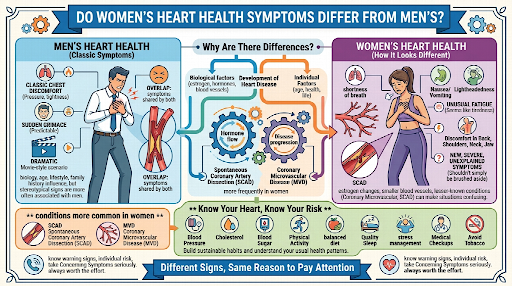


When movies show someone having a heart attack, the scene is usually pretty predictable: a sudden clutch of the chest, a dramatic grimace, and an immediate realization that something is seriously wrong. In real life, heart-related symptoms aren’t always so obvious, and they can show up differently in women than in men.
That doesn’t mean women experience an entirely different set of warning signs. There’s plenty of overlap. But understanding the differences can help women recognize when something feels unusual and know when it’s time to seek medical attention.
Women’s Heart Health Deserves a Closer Look
Heart health isn’t something to think about only later in life. Supporting cardiovascular wellness is an ongoing process, and everyday habits can make a meaningful difference.
Regular physical activity, a balanced diet, quality sleep, stress management, and routine medical checkups can all be part of a heart-conscious lifestyle. Some women also incorporate women’s vitamins into their broader wellness routines to help fill nutritional gaps when appropriate.
The Classic Symptoms Men and Women Can Share
Despite what you may have heard, heart attack symptoms aren’t completely different for women and men. Both can experience chest discomfort, including pressure, squeezing, tightness, or a sense of fullness.
Discomfort can also appear beyond the chest. It may spread to one or both arms or be felt in the shoulders, back, neck, or jaw. Shortness of breath can also occur.
The important thing to remember is that there isn’t one universal heart attack experience. Symptoms can vary considerably from one person to another, so it’s helpful to know more than just the stereotypical warning signs.
How Heart Attack Symptoms Can Look Different in Women
Women can experience the classic symptoms, including chest discomfort, but some warning signs may be less immediately recognizable. These can include shortness of breath, nausea or vomiting, lightheadedness, unusual fatigue, and discomfort in the back, shoulders, neck, or jaw.
That can make the situation confusing. Feeling unusually exhausted might seem like the result of a packed schedule. Nausea could be blamed on lunch. Back or shoulder discomfort might seem like the aftermath of a workout.
That’s why context matters. New, severe, unexplained, or concerning symptoms, especially when several appear together, shouldn’t simply be brushed aside. If symptoms could indicate a heart attack, seeking emergency medical attention promptly is essential.
Why Are There Differences?
So, why might heart attack symptoms look different from one person to another? There isn’t a single, tidy explanation. Researchers continue to study how biological differences between women and men may influence cardiovascular health, including hormones, blood vessel function, and the development of heart disease.
For example, changes in estrogen levels throughout life may affect blood vessels and other aspects of cardiovascular health. Researchers have also examined whether certain types of heart and blood vessel problems occur differently or at different rates in women.
Still, biology is only part of the picture. Age, family history, lifestyle, existing health conditions, and other individual factors can influence cardiovascular risk and symptoms. In other words, being a woman doesn’t automatically mean you’ll experience one particular set of warning signs.
Conditions That Are More Common in Women
Beyond differences in symptoms, certain heart conditions occur more frequently in women or affect them differently. Spontaneous coronary artery dissection, a tear in the wall of a coronary artery, is significantly more common in women, particularly younger women without traditional risk factors like high cholesterol or smoking history.
Coronary microvascular disease is another condition that affects women more often. Unlike a blockage in one of the heart’s major arteries, this type of disease affects the smaller blood vessels that branch off them, so it can be missed on standard tests designed to detect blockages in larger arteries.
Awareness of these conditions matters because standard heart attack testing was historically developed and studied using data drawn primarily from men. As research has expanded, doctors have gained a clearer picture of how heart disease can present differently across these lesser-known conditions.
Know Your Heart, Know Your Risk
Recognizing warning signs is important, but understanding your personal cardiovascular risk matters, too. Regular conversations with a healthcare professional can help you keep tabs on factors such as blood pressure, cholesterol, blood sugar, smoking, physical activity, and family history.
Daily habits count as well. Staying active, eating a nutrient-rich diet, getting sufficient sleep, managing stress, and avoiding tobacco can all support cardiovascular health. The goal is to build sustainable habits and understand your usual health patterns.
Different Signs, Same Reason to Pay Attention
The key takeaway is that heart problems don’t always arrive with the unmistakable, movie-style chest clutch, and some of the conditions behind them are still underdiagnosed simply because they have been studied less.
Learning the possible warning signs, understanding your individual risk, and taking concerning symptoms seriously can help you stay proactive. When it comes to your heart, paying attention to what your body is telling you is always worth the effort.