


Introduction to Food Reactions
Food reactions encompass a spectrum of adverse responses that individuals can experience upon consuming certain foods. Understanding the distinction between food intolerances and allergies is crucial as it significantly impacts health management and dietary choices. Both conditions manifest after ingestion of the offending food but differ in their underlying mechanisms, symptoms, and potential health implications.
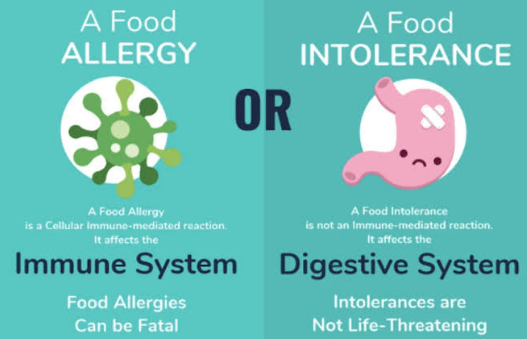
Food allergies typically involve an immune system response to specific proteins in food, leading to immediate reactions that may include hives, difficulty in breathing, or even anaphylaxis. This condition affects approximately 4-8% of the population in developed countries. In contrast, food intolerances, which affect a larger portion of the population, typically arise due to the digestive system’s inability to process certain foods adequately. Symptoms of food intolerance, such as bloating, gas, and abdominal pain, usually occur several hours after consumption and can significantly affect the quality of life.
The impact of these conditions can vary widely among individuals, influencing dietary patterns, social interactions, and overall well-being. People with food allergies are often required to maintain a strict avoidance of specific allergens, making dining out and food preparation more challenging. On the other hand, those with food intolerances may find relief through dietary adjustments that do not necessitate complete avoidance but rather moderation or replacement with more suitable food alternatives.
Given the prevalence and potential severity of both food allergies and intolerances, it is vital for individuals to identify and understand their specific reactions. Awareness can lead to better health management strategies and informed dietary decisions. This knowledge is essential for navigating through the complexities of food reactions and ensuring optimal nutrition while minimizing adverse effects.
Defining Food Allergies
Food allergies constitute a significant health concern affecting a substantial segment of the population. A food allergy occurs when the immune system mistakenly identifies a harmless food protein as a threat, triggering a defensive response. This response typically involves the production of immunoglobulin E (IgE), a specific type of antibody that plays a crucial role in allergic reactions.
Upon the first exposure to a particular food allergen, the immune system reacts by producing IgE antibodies targeted at that protein. When the individual consumes the same food again, the IgE antibodies recognize the allergen and signal the immune system to release chemicals, including histamine. These chemicals are responsible for the symptoms associated with food allergies, which can range from mild to severe.
Common allergens that provoke such immune responses include peanuts, tree nuts, eggs, milk, fish, shellfish, soy, and wheat. The severity of an allergic reaction can vary significantly among individuals; some may experience mild symptoms such as hives, itching, or gastrointestinal discomfort, while others face life-threatening reactions known as anaphylaxis. Anaphylaxis requires immediate medical attention and can manifest with symptoms such as difficulty breathing, swelling of the throat, and a rapid drop in blood pressure.
Understanding the biological mechanisms behind food allergies is essential for effective management and treatment. Individuals diagnosed with food allergies must avoid the triggering foods entirely and often carry emergency epinephrine injectors to counteract severe reactions. Education regarding the identification of allergens in food products and awareness of potential cross-contamination is crucial for those affected.
Defining Food Intolerances
Food intolerances refer to specific adverse reactions that occur when an individual consumes certain food items, often leading to digestive disturbances or metabolic responses. Unlike food allergies, which involve the immune system and can trigger life-threatening reactions, food intolerances are typically non-immunological reactions. These intolerances primarily stem from the inability to properly digest or metabolize particular food components, resulting in a range of discomforting symptoms.
The symptoms of food intolerance can manifest in various ways, but they often include gastrointestinal issues such as bloating, gas, diarrhea, and stomach cramps. In some cases, individuals may also experience symptoms that extend beyond the digestive system, such as headaches, fatigue, or skin reactions. It is important to note that the severity of symptoms can vary widely among individuals, with some experiencing mild discomfort while others may face more severe consequences from consuming the offending food.
Common causes of food intolerances include enzyme deficiencies, such as lactase deficiency leading to lactose intolerance, or a reaction to certain food additives and preservatives. Certain types of foods are more frequently associated with intolerances, including dairy products, gluten-containing grains, and specific fruits or vegetables. For instance, individuals with fructose intolerance may find that foods rich in fructose, such as apples and honey, trigger unpleasant symptoms.
Understanding the distinction between food intolerances and allergies is crucial for proper dietary management. While food allergies can require strict avoidance of certain foods, many individuals with intolerances can tolerate varying amounts of the offending substances. This nuanced understanding of food intolerances is essential for individuals seeking to maintain their health and well-being.
Key Differences Between Allergies and Intolerances
Food allergies and intolerances are two distinct conditions that can both cause adverse reactions after consuming certain foods, yet their underlying mechanisms, symptoms, and effects vary significantly.
One of the primary differences lies in the immune response. Food allergies involve an abnormal reaction of the immune system to specific proteins in food. When someone with a food allergy consumes the allergenic food, their immune system mistakenly identifies the protein as a threat, triggering an allergic response. This can lead to a range of severe symptoms, including hives, swelling, difficulty breathing, and anaphylaxis, which may require immediate medical attention.
In contrast, food intolerances do not involve the immune system. Instead, they are typically a result of the digestive system’s inability to break down certain foods or food components. Lactose intolerance, for example, occurs when the body lacks the enzyme lactase to digest lactose found in dairy products. Symptoms of food intolerance can include bloating, gas, and abdominal pain. Unlike food allergies, symptoms of food intolerance tend to be less severe and are generally not life-threatening.
The manifestation of symptoms also differs between these two conditions. Allergic reactions can occur almost instantaneously after exposure to the allergen, often within minutes, while intolerance symptoms may take hours or even days to manifest after food consumption. This delayed reaction can sometimes complicate diagnosis.
Lastly, the duration of symptoms varies. In the case of food allergies, symptoms can be acute and require prompt intervention, whereas food intolerances may lead to prolonged discomfort that can last for several hours but typically resolves over time without serious complications.
Common Symptoms of Food Allergies and Intolerances
Food allergies and food intolerances often present with overlapping symptoms, but they arise from different physiological mechanisms. Understanding these symptoms can assist individuals in identifying their specific reactions and consulting healthcare professionals for appropriate management.
Food allergies typically involve the immune system and can lead to rapid and severe reactions. Common symptoms include hives, swelling of the lips, face, tongue, or throat, and gastrointestinal issues such as nausea or vomiting. Anaphylaxis, a potentially life-threatening reaction characterized by difficulty breathing, a rapid drop in blood pressure, and loss of consciousness, can also occur following exposure to an allergen. These reactions often manifest within minutes of ingesting the allergenic food.
On the other hand, food intolerances primarily affect the digestive system, leading to symptoms that may not appear right away and can be more subtle. Individuals with food intolerance often experience bloating, gas, diarrhea, and abdominal cramping. Symptoms can vary in severity and may occur hours after consuming the offending food. For instance, lactose intolerance results from the body’s inability to digest lactose, the sugar found in milk, leading to gastrointestinal distress after dairy consumption.
Moreover, some people may experience headaches or migraines, fatigue, or irritability due to food intolerances. Unlike food allergies, reactions due to food intolerances are less likely to involve the immune system and typically do not trigger severe, life-threatening symptoms. Recognizing the distinct signs associated with food allergies and intolerances is vital for proper diagnosis and management.
Diagnosis and Testing Methods
Diagnosing food allergies and intolerances can be a complex process, often requiring a multifaceted approach. Medical professionals typically begin with a detailed history of the patient’s symptoms, dietary habits, and family history of allergies. This initial assessment may guide them towards the most appropriate testing methods.
One of the standard diagnostic tools for food allergies is the skin prick test. In this procedure, a tiny amount of allergen is introduced into the skin using a simple prick. If the skin reacts—usually in the form of a raised bump—this can indicate an allergic response. It is essential to note that skin prick tests are generally used for diagnosing true food allergies rather than intolerances.
Blood tests, such as the ImmunoCAP test, can also be utilized to detect IgE antibodies specific to particular allergens. The presence of these antibodies typically indicates an allergic reaction. This form of testing is beneficial as it provides a quantitative measure of sensitivity to a range of allergens, allowing for a clearer diagnosis.
For food intolerances, elimination diets serve as a commonly employed method of diagnosis. This approach involves removing suspected foods from the diet for several weeks and subsequently reintroducing them one at a time. This careful monitoring allows individuals to identify which foods trigger their symptoms without relying on tests that may not accurately reflect food intolerance.
In summary, both food allergies and intolerances require distinct diagnostic techniques. While skin prick tests and blood tests are essential in identifying allergies, elimination diets are crucial for discerning intolerances. Understanding these differences is vital for individuals seeking accurate diagnoses and effective management of their symptoms.
Treatment and Management Strategies
Managing food intolerances and allergies involves a distinct approach tailored to the specific condition. The primary strategy for both issues often includes the identification and avoidance of trigger foods. For food allergies, this can be critical, as even small amounts of an allergen can trigger severe reactions. Individuals are generally advised to read food labels diligently and communicate their dietary restrictions when dining out or attending social gatherings.
In cases of food allergies, especially those that can lead to anaphylaxis, carrying an epinephrine auto-injector is considered a standard precaution. This can provide life-saving intervention in the event of accidental exposure to allergens. Apart from avoiding allergens, some individuals may benefit from prescribed medications, such as antihistamines, which can help alleviate symptoms associated with mild allergic reactions.
In contrast, managing food intolerances may not require such stringent measures. Individuals with intolerances often find relief through dietary modifications, including gradually reintroducing foods to assess tolerance levels. Additionally, some may benefit from the use of enzyme supplements that can aid in the digestion of specific foods, thereby minimizing discomfort. Lifestyle adaptations are also significant; for instance, keeping a food diary can help individuals identify problem foods and patterns related to their symptoms.
In both cases, consulting with healthcare professionals such as allergists, dietitians, or nutritionists is essential in developing effective management strategies tailored to individual needs. These professionals guide diet modifications, advise on safe food options, and help ensure that nutritional requirements are met without trigger exposure. Furthermore, education is a crucial component, empowering individuals to make informed decisions regarding their dietary choices.
When to Seek Medical Advice
Recognizing when to seek medical advice for food reactions is crucial for your health and well-being. Food intolerances may present with less severe symptoms, such as digestive issues, bloating, and discomfort, and typically do not require emergency intervention. However, there are instances where consulting a healthcare professional is highly recommended.
If you experience persistent gastrointestinal symptoms that do not improve with dietary changes, it is advisable to seek medical evaluation. Conditions like irritable bowel syndrome (IBS) can mimic food intolerances, warranting a professional diagnosis. It’s also essential to monitor your symptoms after consuming specific foods. If you suspect a food intolerance, document your reactions to identify patterns that may inform your healthcare provider.
In contrast, food allergies can result in much more severe reactions. Signs of an allergic reaction typically appear quickly after exposure to an allergen and may include hives, swelling of the face, throat, or mouth, difficulty breathing, and anaphylaxis—a life-threatening condition that requires immediate attention. If you or someone else exhibits these symptoms, calling emergency services is paramount.
Other red flags that would necessitate professional advice include a history of severe allergic reactions, recent changes in symptoms, or challenges in effectively managing your symptoms through dietary adjustments. These scenarios warrant an evaluation by an allergist or a healthcare provider knowledgeable about food-related conditions.
In conclusion, understanding the nuances between food intolerances and allergies is essential for managing your health. By recognizing the appropriate times to seek medical advice, you can ensure that any concerning symptoms are managed effectively and safely.
Conclusion and Takeaways
Understanding the difference between food intolerances and allergies is crucial for effective health management. While both conditions can result in adverse reactions to certain foods, their underlying mechanisms, symptoms, and potential implications are markedly different. Food allergies typically involve the immune system and can lead to severe, potentially life-threatening reactions, including anaphylaxis. In contrast, food intolerances primarily affect the digestive system and, although uncomfortable, do not involve immune responses and are rarely life-threatening.
It is essential to identify whether an individual is dealing with a food allergy or a food intolerance, as this understanding will guide appropriate dietary choices. Those with food allergies must strictly avoid specific allergens to prevent serious health risks. On the other hand, individuals with food intolerances can often manage their condition through moderation, substitution, or dietary adjustments, allowing for a wider variety of foods in their diet.
Being informed about the differences between these conditions empowers individuals to make sound decisions regarding their health and dietary requirements. Consulting healthcare professionals for accurate diagnoses and tailored plans is advisable, as they can help navigate symptoms and establish personalized dietary guidelines. Moreover, staying educated about one’s body and its responses to various foods is vital for anyone dealing with dietary concerns.
Incorporating this knowledge can significantly enhance quality of life and prevent unnecessary health complications. Ultimately, a proactive approach to understanding food intolerances and allergies not only aids in individual health management but also fosters a greater awareness of dietary sensitivities within our communities.