
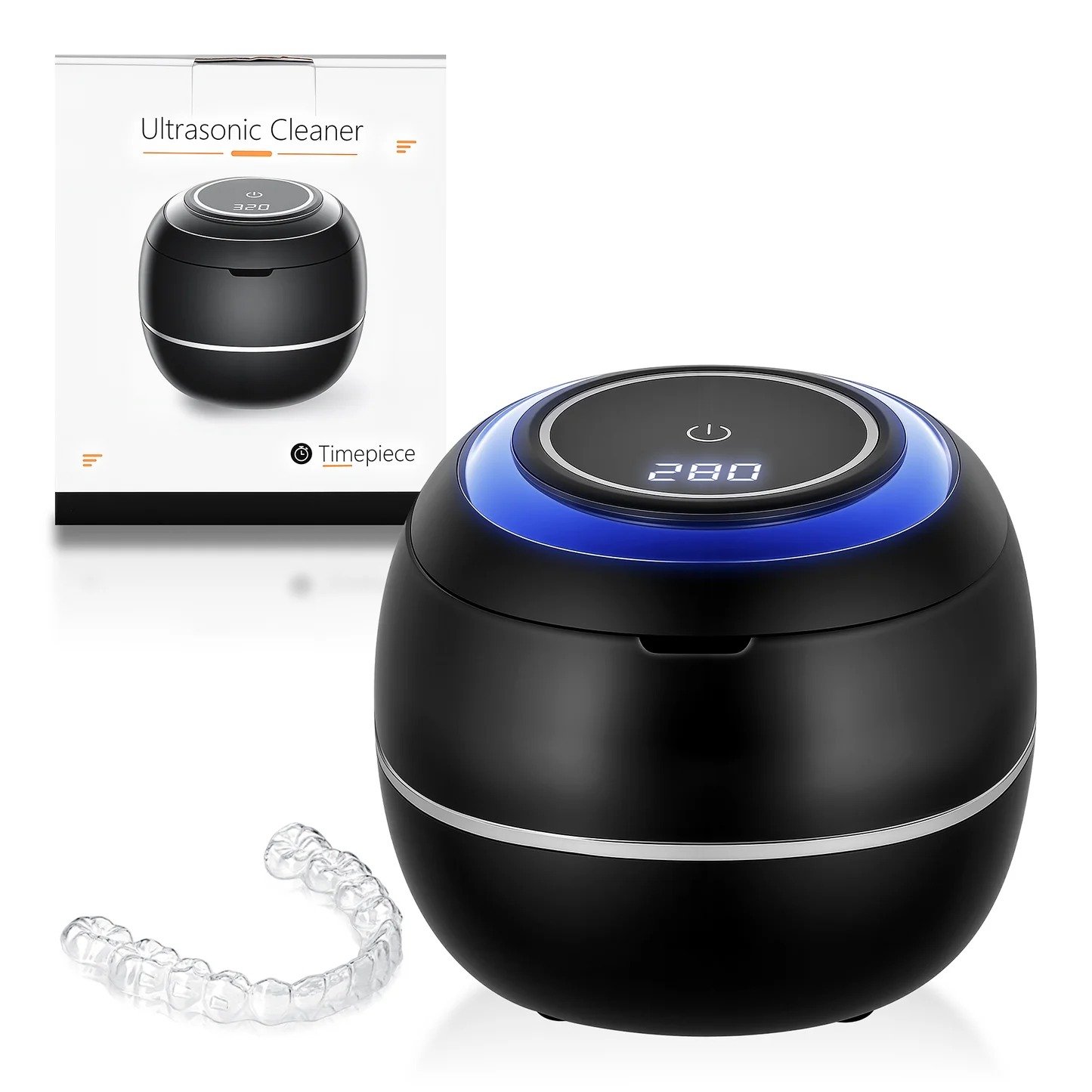


Dental appliances need regular cleaning to maintain proper oral hygiene. Retainers, aligners, and similar devices stay in mouth for long hours each day. This leads to exposure to saliva, food particles and bacteria. Over time this may increase the risk of contamination. Dental Appliance Sterilization becomes very important in daily care.
The Ultrasonic dental cleaner is widely used in modern oral hygiene routines. It supports dental appliance hygiene which reduce surface debris using ultrasonic wave action. Many people also use Ultrasonic denture cleaner or Ultrasonic cleaner pod for good results and these tools improve clinical dental cleaning outcomes. Especially when we use it correctly.
Without proper cleaning as result biofilm can form on appliance surfaces. This may affect oral comfort and hygiene quality. The proper use of an Ultrasonic dental cleaner helps support long term oral health and cleaner appliances.
Dental Appliance Contamination Risks
Dental appliances are continuously expose to oral environment. Saliva, food particles and bacteria easily settle on surfaces. This increases risk of dental appliance contamination when cleaning is not done properly. Appliance biofilm formation develops slowly on these surfaces. It creates a protective layer for bacteria and makes removal more difficult. This reduces overall dental appliance hygiene quality.
Dental plaque buildup can also occur with poor hygiene habits. It may lead to odor, staining and discomfort during use. In some cases it may increase oral bacterial infection risk. Cross contamination in dentistry may happen when appliances are stored or cleaned improperly. These risks highlight the importance of consistent hygiene care using tools like an Ultrasonic dental cleaner or Ultrasonic denture cleaner.
Limitations of Chemical Cleaning Methods
Chemical cleaning solutions are commonly used but they have certain limitations. Many of them only clean surface-level deposits and fail to remove deep biofilm layers. This affects long term dental appliance sterilization results.
Incomplete biofilm removal is a common issue. Even after soaking, bacterial layers may remain attached to appliance surfaces. This reduces cleaning efficiency. Some users also report mild dental disinfectant side effects such as taste residue or irritation. Overuse of chemicals may also affect appliance material quality over time.
Common limitations include:
- Chemical Cleaning Limits
- Incomplete Biofilm Removal
- Aligner Cleaning Chemicals residue
- Retainer Cleaning Tablets dependency
- Surface wear risk
Because of these issues, many professionals recommend combining chemical methods with a Cleaner Ultrasonic cleaner pod or Ultrasonic dental cleaner.
Ultrasonic dental cleaner Technology in Dentistry
The Ultrasonic dental cleaner uses high frequency sound waves to clean dental appliances. These waves travel through water or cleaning solution and result in form of microscopic bubbles. When these bubbles collapse they produce energy that removes debris and bacteria. This process is called ultrasonic cavitation cleaning. It helps clean areas that are difficult to reach manually. It is widely used in dental ultrasonic cleaning for orthodontic and dental appliances. A Ultrasonic cleaner pod supports deep cleaning dental devices without damaging surfaces. Many users also combine it with a Ultrasonic denture cleaner for improved hygiene.
| Cleaning Stage | Function |
| Ultrasonic waves | Create vibration energy |
| Bubble formation | Start cleaning action |
| Bubble collapse | Remove debris & bacteria |
| Final rinse | Complete cleaning cycle |
This process improves appliance sterilization technology and supports orthodontic appliance cleaning effectively.
Effectiveness in Biofilm Disruption
Biofilm is strong bacterial layer that attaches firmly to dental appliances. It protects microorganisms and makes normal cleaning less effective. The Ultrasonic dental cleaner helps break this structure safely. Through Biofilm Disruption Technology, ultrasonic waves weaken bacterial bonds. This improves dental biofilm removal and enhances overall dental appliance hygiene. It also helps reduce microbial buildup in small and hidden areas. This leads to better oral microbial growth control.
Key benefits include:
- Improved biofilm breakdown
- Better microbial reduction
- Cleaner appliance surfaces
- Reduced odor formation
- Stable hygiene performance
These effects make both Ultrasonic dental cleaner and Ultrasonic denture cleaner useful in daily oral care.
Recommended Clinical Usage Protocols
Dental professionals recommend structured cleaning routines for orthodontic appliances. Regular cleaning helps maintain hygiene stability and reduces contamination risk. Clinical dental cleaning depends on consistent habits. The Ultrasonic dental cleaner should be used as part of daily oral care. It supports appliance sterilization routine but does not replace brushing or professional cleaning.
A Cleaner Ultrasonic cleaner pod is usually used once per day for best results.
| Step | Recommendation |
| Daily use | 1 cycle/day |
| Duration | 5–10 minutes |
| Solution | Mild cleaning liquid |
| Rinse | After each cycle |
These steps support Dental Hygiene Guidelines and improve Orthodontic Appliance Cleaning effectiveness.
Long-Term Oral Health Impact
Long-term oral health depends on proper appliance hygiene. Poor cleaning may lead to bacterial buildup, gum irritation, and infection risks. The Ultrasonic dental cleaner helps maintain cleaner oral conditions. A Cleaner Ultrasonic cleaner pod supports Biofilm Removal and reduces microbial accumulation. It also contributes to better Oral Infection Prevention.
Regular use of a Ultrasonic denture cleaner improves oral microbiome balance and supports Dental Appliance Hygiene.
Long-term benefits include:
- Improved preventive dentistry
- Reduced infection risk
- Better appliance durability
- Enhanced oral comfort
- Stable microbial balance
These outcomes show the importance of ultrasonic cleaning in daily oral care.
Conclusion
Dental appliances need regular cleaning to prevent microbial buildup and maintain hygiene. Without proper care, biofilm can reduce both comfort and oral health quality.
The Ultrasonic dental cleaner provides an effective method for Dental Appliance Sterilization. It improves cleaning through ultrasonic cavitation technology. When combined with a Ultrasonic denture cleaner and Cleaner Ultrasonic cleaner pod, it supports better Dental Appliance Hygiene, Biofilm Removal, and long-term clinical dental cleaning results.