


Introduction to Functional Medicine
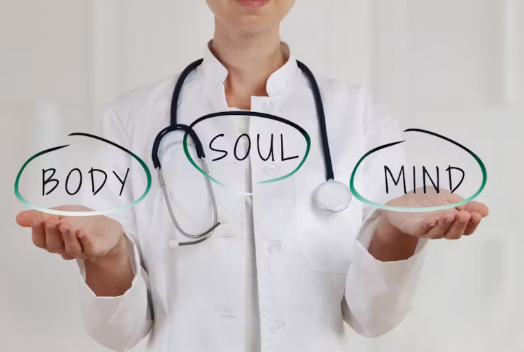
Functional medicine represents a holistic approach to health care that prioritizes the individual as a whole, rather than merely addressing isolated symptoms or diagnoses. This patient-centered model diverges from conventional medicine, which often emphasizes a more fragmented approach, focusing predominantly on the treatment of specific ailments through pharmaceutical interventions. Instead, functional medicine seeks to explore and understand the complex interplay of various factors contributing to a person’s health.
The core philosophy of functional medicine revolves around understanding the root causes of health issues. Practitioners utilize a detailed and comprehensive assessment of each patient’s genetic, environmental, and lifestyle factors to formulate personalized treatment plans. This thorough evaluation enables healthcare providers to identify underlying imbalances that may manifest as chronic diseases or other health concerns. By treating the whole person, functional medicine aims not just to relieve symptoms but to restore optimal health and well-being.
Moreover, functional medicine advocates for a collaborative partnership between patients and practitioners. Patients are actively involved in their healing processes, which fosters a sense of agency and empowerment. This collaboration extends to developing tailored nutritional strategies, lifestyle modifications, and holistic therapies that address the unique needs of each individual.
Furthermore, functional medicine embraces advanced diagnostic tools and methodologies, enabling clinicians to investigate underlying physiological dysfunctions. By employing an integrative approach that encompasses various therapeutic modalities, such as nutrition, exercise, and stress management, functional medicine can enhance overall health outcomes. This perspective encourages proactive health management, emphasizing prevention and wellness as essential components of healthcare.
The Core Principles of Functional Medicine
Functional medicine represents a holistic paradigm within healthcare, focusing on the unique individuality of each patient. One of the foremost principles is patient-centered care. Unlike conventional approaches that often treat symptoms in isolation, functional medicine practitioners seek to understand the patient as a whole, considering not just the physical manifestations of health issues but also the various emotional, psychological, and environmental factors that may influence overall well-being.
In addition to patient-centeredness, functional medicine emphasizes the integration of multiple disciplines. This cross-disciplinary approach allows providers to incorporate insights from nutrition, genetics, environmental science, and even behavioral psychology into treatment plans. By breaking down the barriers between traditional medical specialties, functional medicine practitioners can craft more comprehensive and effective interventions, enhancing the potential for health optimization.
Another essential principle of functional medicine is a strong focus on prevention. By identifying and addressing potential health risks before they manifest into more serious diseases, practitioners aim to enhance health through proactive measures. This preventive mindset encourages patients to engage in regular health screenings, lifestyle modifications, and dietary changes—practices that are critical in modifying disease trajectories.
Finally, lifestyle changes are a cornerstone of functional medicine. Treatments are tailored not only to address immediate health concerns but also to encourage long-term wellness through sustainable practices. Functional medicine practitioners often advocate for nutrition, exercise, stress management, and other lifestyle factors as integral components of treatment plans. This emphasis on lifestyle acknowledges one of the central tenets of health optimization: that sustainable, healthy habits are more effective than short-term fixes.
Assessing Health: The Functional Medicine Approach
The assessment of health in the context of functional medicine is a multifaceted process that prioritizes a thorough understanding of an individual’s unique health landscape. This approach diverges from conventional medicine by advocating for detailed evaluations that extend beyond mere symptom identification. At the core of this methodology is the belief that a comprehensive analysis of a patient’s health can lead to more effective and personalized treatment strategies.
One of the primary tools employed in functional medicine is comprehensive testing. This may involve advanced laboratory tests that assess not only basic health metrics such as blood counts and cholesterol levels, but also more complex markers that offer insights into hormonal balance, nutrient deficiencies, and the microbiome’s health. By utilizing these refined testing methods, practitioners can detect underlying dysfunctions that may contribute to a patient’s health issues.
In addition to laboratory assessments, a detailed review of health history is paramount in the functional medicine framework. This process typically entails a thorough interview where practitioners collect information on personal health histories, family backgrounds, lifestyle factors, and environmental exposures. Such nuanced data can unveil patterns that are often overlooked in conventional assessments, facilitating a deeper understanding of how biological, psychological, and social factors intertwine in influencing overall health.
Furthermore, direct patient interviews play a vital role in the assessment of health. These conversations enable healthcare practitioners to build rapport and foster open communication with patients, ensuring that individuals feel heard and involved in their wellness journey. Through these interactions, practitioners can clarify concerns, assess motivation levels, and identify personal health goals.
Overall, the prioritization of comprehensive assessments in functional medicine allows for the creation of tailored health plans that align with an individual’s specific needs and conditions. By emphasizing a holistic view of health, functional medicine strives to empower patients on their path to optimal well-being.
Role of Nutrition in Functional Medicine
Nutrition plays a central role in the functional medicine approach, serving as a foundation for health optimization. This holistic perspective emphasizes the importance of individualized dietary interventions tailored to meet distinct health needs. Unlike conventional medicine, which often focuses on treating symptoms, functional medicine seeks to identify the underlying causes of health issues, with nutrition being a pivotal factor.
A whole-food, nutrient-dense diet is essential for maintaining optimal health. Such diets prioritize the consumption of unprocessed, natural foods, rich in vitamins, minerals, and antioxidants. These nutrients support optimal physiological function and contribute to the prevention of chronic diseases often associated with poor dietary choices. When individuals consume adequate amounts of fruits, vegetables, whole grains, healthy fats, and lean proteins, they create an internal environment conducive to healing and balance.
Moreover, individualized dietary recommendations are crucial in functional medicine. Each person’s biological makeup, lifestyle, and health concerns differ, necessitating personalized approaches to nutrition. Practitioners analyze various factors, including genetic predispositions, gut health, and metabolic profiles, to formulate dietary plans that promote wellness. This tailored approach not only boosts physical health but also enhances mental well-being, highlighting the interconnectedness of nutrition with all aspects of health.
Furthermore, the importance of mindful eating practices cannot be overstated within the functional medicine framework. Encouraging individuals to cultivate awareness around their food choices empowers them to make better decisions that align with their health goals. By integrating nutrition as a fundamental component of health management, functional medicine practitioners can guide patients toward achieving optimal health outcomes that are sustainable and impactful.
Lifestyle Modifications: More Than Just Diet
In the context of functional medicine, optimizing health encompasses various lifestyle modifications that extend beyond mere dietary changes. While nutrition is undeniably fundamental, it represents just one aspect of a comprehensive health strategy. Key components such as exercise, sleep hygiene, stress management, and mindfulness practices play an equally crucial role in promoting overall wellness.
Exercise is an indispensable element of a healthy lifestyle, contributing not only to physical fitness but also to mental well-being. Engaging in regular physical activity can enhance cardiovascular health, improve muscle strength, and boost mood by releasing endorphins. A tailored exercise regimen—whether it includes strength training, aerobic activities, or flexibility exercises—can significantly improve quality of life and contribute to long-term health optimization.
Furthermore, sleep hygiene cannot be overlooked. Quality sleep is vital for cellular repair, cognitive function, and mood regulation. Adopting practices such as maintaining a consistent sleep schedule, creating a restful environment, and minimizing exposure to screens before bedtime can facilitate better sleep patterns. A well-rested individual is more equipped to handle daily stressors and maintain adherence to health practices.
Speaking of stress, effective stress management strategies are paramount in functional medicine. Chronic stress can lead to a range of health issues, from anxiety and depression to cardiovascular problems. Techniques such as deep breathing exercises, yoga, and time-management skills can mitigate stress levels and foster resilience.
Lastly, incorporating mindfulness practices into daily routines can enhance mental clarity and emotional stability. Mindfulness meditation, journaling, or simply taking time to engage with nature can cultivate self-awareness and improve one’s ability to cope with challenges. Together, these lifestyle modifications create a holistic approach to health optimization that aligns with the principles of functional medicine.
Integrative Therapies and Functional Medicine
Integrative therapies play a pivotal role in the landscape of functional medicine, which emphasizes a personalized and holistic approach to health. Functional medicine practitioners utilize these therapies to address not only the symptoms but also the underlying causes of health issues, striving for true well-being. One of the cornerstone aspects of integrative therapies involves the use of dietary supplements. These may include vitamins, minerals, amino acids, and other nutrients that support bodily functions and help rectify deficiencies, thereby promoting optimal health.
In addition to supplements, herbs have been embraced within functional medicine as powerful allies for health optimization. Certain plants, such as turmeric, ginger, and adaptogens like ashwagandha, offer therapeutic benefits by enhancing the body’s resilience to stressors and inflammation. The incorporation of herbal remedies into treatment plans can lead to significant improvements in various health conditions, including digestive disorders and autoimmune conditions, aligning closely with the principles of functional medicine.
Mind-body practices, such as meditation, yoga, and tai chi, also form an essential component of the integrative approach. These practices not only foster mental clarity and relaxation but also support physical health by improving flexibility, balance, and reducing stress levels. Stress reduction is critical in functional medicine as chronic stress can contribute to numerous health problems, from hormonal imbalances to cardiovascular disease. By integrating these therapeutic modalities, practitioners can offer a more comprehensive approach to health that acknowledges the complex interplay between mind, body, and spirit.
Ultimately, the combination of supplements, herbs, and mind-body practices enhances the core principles of functional medicine, facilitating a more effective pathway towards achieving optimal health and vitality. By addressing the multifaceted aspects of an individual’s health, integrative therapies provide a robust framework for healing and maintaining well-being.
Case Studies: Success Stories in Functional Medicine
Functional medicine has emerged as a viable approach for addressing complex health conditions by emphasizing individualized care and holistic strategies. The following case studies illustrate how this approach has led to transformative health outcomes for various patients.
One illustrative case features a middle-aged woman suffering from chronic fatigue syndrome (CFS). After years of traditional medical treatments yielding minimal results, she turned to functional medicine. Through comprehensive testing, her practitioner identified nutrient deficiencies and hormonal imbalances. A tailored protocol including dietary changes, nutritional supplements, and stress management techniques was employed. Over six months, her energy levels improved significantly, allowing her to resume daily activities and participate in social events, a stark contrast to her previous state.
Another compelling story involves a young man grappling with severe digestive issues and depression. Conventional medicine prescribed medications that only masked his symptoms without addressing the underlying causes. When he sought functional medicine, a detailed analysis revealed food sensitivities and an imbalance in gut microbiota. By implementing a personalized elimination diet, alongside probiotics and lifestyle modifications, he not only alleviated his gastrointestinal symptoms but also experienced a remarkable improvement in his mood and overall well-being. This case highlights the importance of targeting root causes rather than merely treating symptoms.
A further success story revolves around an elderly gentleman diagnosed with early-stage diabetes. His medical team recommended lifestyle adjustments and monitoring; however, he wanted a proactive approach. Engaging with a functional medicine practitioner, he was guided through a comprehensive program that included dietary changes, regular exercise, and stress reduction techniques. Over the course of a year, he successfully regulated his blood sugar levels and reduced his dependency on medications, illustrating the potential for functional medicine to effect real change.
These case studies exemplify how functional medicine can facilitate profound health transformations by identifying and addressing the root causes of complex health conditions. As seen in these journeys, the integration of personalized care strategies can unlock new pathways toward improved health outcomes.
Challenges in Functional Medicine Practice
Functional medicine has gained traction as a holistic approach that aims to address the root causes of health issues, yet it faces numerous challenges that can impede both practitioners and patients. One prominent challenge is the issue of insurance coverage. Many insurance policies do not reimburse for functional medicine services, leaving patients to bear the entire cost. This creates a financial barrier that can limit access to much-needed care for individuals who may benefit from a functional approach, thus discouraging potential patients from pursuing this option.
Another significant hurdle is patient adherence to treatment plans. Functional medicine often requires lifestyle changes and a commitment to long-term health improvements, which can be daunting for many individuals. Patients may struggle to implement dietary adjustments, exercise regimens, or stress management strategies, especially when faced with the conveniences and pressures of modern life. The process of instilling new habits takes time and motivation, and as a result, some patients may not fully commit to the necessary changes, which can undermine the effectiveness of their treatment plans.
Furthermore, the integration of functional medicine into conventional healthcare systems poses a substantial challenge. There is often a lack of understanding or skepticism among traditional practitioners regarding the benefits of functional medicine. This can lead to fragmented care where patients receive conflicting advice from different healthcare providers, making it difficult for them to achieve optimal health outcomes. Achieving a smoother integration requires education and collaboration among health professionals to ensure a comprehensive approach to patient care.
The Future of Functional Medicine and Health Optimization
The landscape of healthcare is evolving, and functional medicine is at the forefront of this shift. Functional medicine, which emphasizes individualized treatment plans that address the root causes of disease, is gaining traction among healthcare professionals and patients alike. The growing recognition of the importance of personalized care positions functional medicine to significantly enhance health optimization across diverse populations.
As scientific research continues to advance, we can anticipate a broader acceptance of functional medicine principles within traditional healthcare systems. Integrating these principles might lead to a collaborative approach that combines the best of conventional medicine with the holistic focus of functional strategies. Such integration could result in improved patient outcomes, as personalized interventions are tailored to meet the unique biological and environmental contexts of individuals.
Furthermore, increased awareness and education about functional medicine in medical training modules will help cultivate a new generation of healthcare providers who are skilled in this comprehensive approach. This shift may encourage a more interdisciplinary collaboration among doctors, nutritionists, and other health professionals to provide robust support to patients seeking health optimization.
Technology is also poised to play a significant role in the future of functional medicine. The rise of digital health tools and wearables is enabling more precise data collection and monitoring, allowing health practitioners to assess and adjust treatment plans in real time. Such innovations will facilitate more effective health optimization strategies tailored to individual needs, ultimately enhancing patient engagement and adherence to treatment protocols.
In conclusion, the future of functional medicine looks promising, characterized by expanding acceptance and integration within established healthcare frameworks, enhanced education, and technological advancements that pave the way for personalized health optimization. This evolution reflects a growing commitment to addressing the complex interplay between lifestyle, environment, and health, offering the potential for meaningful improvements in population health outcomes.