


Introduction to Fat Oxidation
Fat oxidation represents a vital biochemical process integral to energy metabolism, particularly during physical activity. This process involves the breakdown of fatty acids, which are one of the body’s primary sources of energy, especially during prolonged or moderate-intensity exercise. Understanding how fats are oxidized can provide insights into athletic performance, weight management, and overall health.
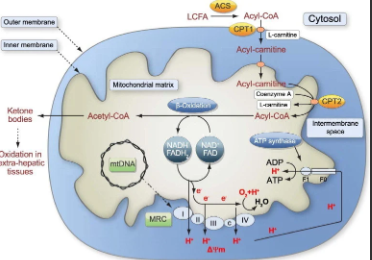
During fat oxidation, triglycerides stored in adipose tissue are mobilized and transported to the muscles where they undergo a series of enzymatic reactions. Initially, hormone-sensitive lipase catalyzes the hydrolysis of triglycerides to free fatty acids and glycerol. These free fatty acids then enter the mitochondria of muscle cells, where they undergo a series of transformations in a process termed beta-oxidation. The end products of this metabolic pathway are acetyl-CoA molecules, which are subsequently funneled into the citric acid cycle, ultimately producing adenosine triphosphate (ATP), the energy currency of the cell.
Importantly, fat oxidation is influenced by several factors, including the intensity and duration of physical activity. Low- to moderate-intensity exercises, such as walking or jogging, primarily rely on fat as a fuel source. Conversely, during high-intensity activities, the body tends to utilize carbohydrates for quick energy. Nevertheless, as individuals become more physically conditioned, their ability to oxidize fat more efficiently improves, enabling them to sustain higher levels of activity using fat as a primary fuel source.
The significance of fat oxidation extends beyond the realm of athletes and exercise enthusiasts. A deeper understanding of the mechanisms behind fat metabolism can be beneficial for weight management and preventing metabolic disorders. By promoting fat oxidation, individuals can enhance their metabolic flexibility, which is a critical component of efficient energy usage in the body.
The Role of Fat as an Energy Source
Fat plays a critical role as an energy source during physical activities, particularly when compared to carbohydrates. Both macronutrients serve as fuel for the body; however, their utilization can vary depending on the intensity and duration of the exercise. Fat oxidation tends to predominate during lower-intensity, extended-duration activities, while carbohydrate oxidation is typically favored during high-intensity efforts.
During physical activity, the body breaks down fats through a process called lipolysis, enabling fatty acids to be used for energy. This process is particularly efficient during activities such as walking, jogging, or long-distance cycling, where oxygen availability is sufficient to facilitate fat metabolism. In contrast, carbohydrates, which are stored as glycogen in the liver and muscles, are rapidly mobilized during intense, short bursts of activity like sprinting, where quick energy release is essential.
One of the distinct advantages of utilizing fat for energy is its energy density. Fat provides approximately 9 calories per gram, making it a source of substantial energy reserves within the body. Consequently, well-trained athletes, who often maximize their fat oxidation capabilities, can rely on fats for fuel over extended periods, thereby sparing glycogen stores for when they are truly needed, such as during a sprint finish in a marathon.
In summary, the body’s ability to prioritize fat oxidation over carbohydrate oxidation is influenced by various factors, including exercise intensity and duration. While carbohydrates remain crucial for quick energy under high-intensity conditions, fat oxidation is indispensable for endurance exercises, allowing individuals to perform efficiently over longer durations. Understanding the balance and timing of these energy sources can aid in optimizing performance in different physical activities.
Biochemical Pathways of Fat Oxidation
Fat oxidation is a complex, multi-step process that plays a critical role in energy metabolism during physical activity. At the cellular level, fat oxidation primarily occurs through two key biochemical pathways: beta-oxidation and the Krebs cycle. Understanding these processes helps elucidate how the body efficiently converts stored fats into usable energy in the form of adenosine triphosphate (ATP).
Beta-oxidation is the first stage of fat metabolism, occurring in the mitochondria of cells. This process involves the breakdown of fatty acids into two-carbon units, specifically acetyl-CoA. Once fatty acids are mobilized from triacylglycerol stores, they undergo a series of enzymatic reactions that sequentially cleave off two-carbon acetyl-CoA molecules. Each cycle of beta-oxidation not only generates acetyl-CoA but also produces reducing equivalents in the form of NADH and FADH2, which are essential for the next steps of energy production.
Subsequently, the acetyl-CoA enters the Krebs cycle, also known as the citric acid cycle, occurring in the mitochondrial matrix. Here, acetyl-CoA is further oxidized through a series of enzymatic reactions that introduce it into a cyclic pathway involving intermediates such as citrate and oxaloacetate. The Krebs cycle generates additional NADH and FADH2, while also producing carbon dioxide as a waste product of energy extraction. The NADH and FADH2 produced in both beta-oxidation and the Krebs cycle are then fed into the electron transport chain, where the majority of ATP is synthesized.
Collectively, these biochemical pathways of fat oxidation highlight the sophistication of mitochondrial functions and their critical role in ATP production. By efficiently converting fatty acids into ATP, the processes support sustained physical activity and overall energy homeostasis within the body.
Factors Influencing Fat Oxidation Rates
Understanding the mechanisms behind fat oxidation is crucial for optimizing physical performance and achieving fitness goals. Several factors play a significant role in influencing the rate at which fat is oxidized during physical activities, including exercise intensity, duration, training status, diet, and hormonal responses.
One of the primary determinants of fat oxidation is the intensity of the exercise being performed. Generally, lower intensity activities, such as walking or light jogging, tend to promote a higher percentage of fat oxidation compared to higher intensity workouts, where carbohydrates become the primary fuel source. During moderate-intensity exercises, the body switches to fat oxidation as the exercise duration extends, thus emphasizing the importance of duration alongside intensity.
Training status also affects fat oxidation rates significantly. Trained individuals usually exhibit improved fatty acid mobilization and an enhanced capacity for fat oxidation due to physiological adaptations gained from regular exercise. They commonly demonstrate higher oxidative enzyme activity, which facilitates a more efficient use of fat as an energy source.
Moreover, diet plays a pivotal role in fat oxidation. Specific macronutrient composition, especially the ratio of carbohydrates to fats, can influence the body’s propensity to oxidize fat. Endurance athletes often adopt a higher fat diet to increase the availability of fat stores during prolonged exercise, thereby improving fat oxidation rates.
Lastly, hormonal responses to physical activity can significantly modulate fat oxidation. Hormones such as adrenaline and growth hormone stimulate the breakdown of fat stores, thus enhancing oxidation. The interplay of these factors makes the study of fat oxidation complex and underscores the necessity for a multifaceted approach in understanding and improving fat utilization during physical activities.
Fat Oxidation During Different Types of Exercise
Fat oxidation plays a crucial role in energy production during physical activities, varying significantly based on the type of exercise performed. Generally, exercises can be categorized into aerobic and anaerobic activities, each engaging the body’s energy systems differently.
Aerobic exercise, such as jogging, cycling, or swimming, requires oxygen to fuel prolonged activities. In this modality, the body primarily utilizes fat as a source of energy, particularly at lower intensities. When engaging in moderate-intensity aerobic exercise, typically around 60-70% of maximal oxygen uptake (VO2 max), fat oxidation rates reach their peak. This is largely due to the slower, sustained energy demands of these activities, which allow the body to efficiently metabolize fat stored in adipose tissues. For example, a steady-paced long-distance run encourages the heart and muscles to draw on fat stores, leading to significant fat utilization.
Conversely, anaerobic exercise, which includes high-intensity activities like sprinting or weightlifting, relies primarily on carbohydrates as the energy substrate. In these scenarios, the body engages glycogen (stored glucose) due to the immediate energy demands of the muscles. During high-intensity exercise—usually above 80% of VO2 max—fat oxidation decreases substantially, as the body rapidly needs energy. Although fat oxidation is limited during such activities, it does not cease entirely; rather, the proportion shifts toward carbohydrate utilization.
Interestingly, during the transition from rest to exercise, the body initially taps into carbohydrates, and as the exercise progresses toward a steady state, the reliance on fat increases. This switch from carbohydrate to fat utilization illustrates the flexibility of the body’s energy systems and highlights how different exercise modalities can influence fat oxidation rates. In conclusion, understanding these dynamics is essential for optimizing workout strategies and improving overall energy efficiency during varied physical activities.
The Role of Nutrition in Fat Oxidation
Nutrition plays a pivotal role in the processes of fat oxidation, especially during physical activity. The types of dietary fats consumed can significantly influence the efficiency of fat burning and overall energy metabolism. Specifically, unsaturated fats—found in sources such as avocados, nuts, seeds, and olive oil—are believed to enhance fat oxidation compared to saturated fats. Unsaturated fats not only provide a rich source of calories but also support cellular health, making them a prime choice for those aiming to optimize energy production during exercise.
Furthermore, the macronutrient ratios in one’s diet can have profound effects on fat utilization during workout sessions. A diet that is balanced in carbohydrates, proteins, and fats is essential for maximizing fat oxidation. While carbohydrates are the primary fuel source for high-intensity workouts, a moderate intake of healthy fats can aid in sustaining energy during longer, moderate-intensity activities. Studies suggest that diets with a higher ratio of fats compared to carbohydrates may improve fat oxidation rates, particularly during prolonged exercise.
Another factor to consider is the timing of nutrient intake. Consuming fats in conjunction with carbohydrates before exercise might enhance fat metabolism. Additionally, post-exercise meals that are rich in protein and fats can support recovery while maintaining metabolic flexibility. Hydration is also integral; insufficient fluid intake can adversely affect both performance and fat oxidation efficiency.
In summary, understanding how various dietary fats, along with macronutrient ratios and meal timing, can impact fat oxidation is crucial for anyone looking to enhance their physical performance. Tailoring one’s nutrition to support fat metabolism not only aids in weight management but also improves endurance and overall athletic capabilities.
Implications for Weight Management and Athletic Performance
Understanding fat oxidation processes during physical activity holds significant implications for both weight management and athletic performance. For individuals seeking to manage their weight, recognizing how the body utilizes fat as a fuel source can guide the development of effective exercise and dietary strategies. The key to enhancing fat oxidation lies in the balance of exercise intensity and duration. Activities performed at moderate intensities, such as brisk walking or cycling, have been shown to optimize fat utilization. Incorporating longer sessions of aerobic exertion can also enhance the body’s capacity to oxidize fat, contributing to weight loss over time.
Similarly, athletes can leverage this knowledge to optimize their performance. By training at different intensities, they can improve their body’s ability to enhance fat oxidation during competition, potentially sparing glycogen stores for higher intensity efforts. Incorporating anaerobic intervals within training routines can also stimulate adaptations that promote fat metabolism. Moreover, athletes may benefit from a nutrition strategy that promotes fat oxidation, such as a moderate carbohydrate intake, to encourage the body to rely more on fat as an energy source.
In terms of practical strategies, individuals and athletes alike can consider integrating high-intensity interval training (HIIT). HIIT has been shown to not only improve aerobic fitness but also enhance fat oxidation during and after training sessions. Additionally, maintaining a balanced diet rich in healthy fats can aid in optimizing the body’s ability to utilize fat for energy. Choosing fats that are readily metabolized, like those from nuts, seeds, and avocados, may further support these efforts. Furthermore, staying hydrated and managing stress levels are essential factors, as dehydration and chronic stress can impair fat metabolism and overall performance.
Ultimately, understanding the intricacies of fat oxidation provides practical insights for individuals managing their weight and athletes striving for peak performance. By implementing targeted training and nutrition strategies, both groups can enhance their ability to efficiently utilize fat, leading to better outcomes in their physical pursuits.
Common Myths and Misconceptions
When it comes to fat oxidation and exercise, various myths persist that can distort individuals’ understanding of how the body utilizes fat during physical activity. One prevalent misconception is that only high-intensity exercise is effective for burning fat. While it is true that intense workouts can lead to significant caloric expenditure, moderate physical activities, such as walking or light jogging, also play a crucial role in fat oxidation. In fact, during lower-intensity exercises, the body tends to derive a larger proportion of energy from fat stores compared to carbohydrates.
Another common myth is the belief that fat loss can be targeted to specific areas of the body through localized exercise. This is often referred to as spot reduction. Despite popular claims about targeted fat loss, research has shown that fat is metabolized throughout the body rather than from isolated zones. Hence, performing numerous abdominal exercises, for example, will not specifically reduce belly fat; overall body fat percentage must decrease to see changes in any targeted area.
Furthermore, some individuals assume that consuming fats will automatically lead to weight gain and that avoiding fat is essential for successful weight management. However, the understanding that dietary fats are the enemy is misguided. The body requires healthy fats for optimal functioning, including hormone production and nutrient absorption. Fats are a vital part of a balanced diet and can contribute to satiety, potentially aiding in appetite control.
Thus, dispelling these myths is essential for understanding the complexities of fat oxidation and its relationship with exercise. It encourages individuals to adopt a more balanced view of fitness and nutrition, focusing on holistic approaches to health rather than adhering strictly to misconceptions.
Conclusion and Future Directions
In summary, this discussion on the fat oxidation processes during physical activity has revealed the intricate interplay between energy expenditure, exercise intensity, and fat metabolism. Understanding these mechanisms is crucial for optimizing training regimens and dietary strategies aimed at improving athletic performance, weight management, and overall health. Through rigorous examination, we have seen that engaging in sustained moderate-intensity exercise may enhance fat utilization, promoting better energy balance and metabolic health.
Future research into fat oxidation holds promising implications for several key areas in fitness, health, and nutrition. One notable direction is the potential to tailor individual training programs to maximize fat burning, taking into account personal metabolic responses and fitness levels. Moreover, advances in nutritional science aim to explore how specific dietary patterns can further support fat oxidation, especially through the use of macronutrients that fuel prolonged exercise.
Additionally, the implications of emerging technologies and methodologies, such as metabolic profiling and wearable fitness trackers, will likely contribute to more personalized health plans. These innovations can potentially enhance the precision of fat oxidation assessments, allowing for real-time feedback that motivates individuals to maintain their fitness objectives.
In considering the future of fat oxidation research, it is essential to appreciate the interdisciplinary collaborations that will foster a deeper understanding of human metabolism. By bridging areas such as physiology, nutrition, and psychology, researchers can develop comprehensive frameworks for effective lifestyle modifications. Moreover, greater public awareness and education can empower individuals to make informed decisions regarding exercise and diet, ultimately leading to improved health outcomes.