


Introduction to Fat Loss Strategies
In the realm of health and fitness, fat loss remains a predominant goal for many individuals. The strategies to achieve fat loss can broadly be categorized into two approaches: sustainable fat loss and rapid dieting. Understanding these concepts is crucial for anyone seeking effective and lasting results in their health journey.
Sustainable fat loss refers to a gradual and manageable weight reduction process, achieved through consistent lifestyle changes that include balanced nutrition, regular physical activity, and behavioral modifications. This approach emphasizes the importance of long-term habits over quick fixes, allowing individuals to retain their results and foster a healthier relationship with food and exercise. Sustainable strategies prioritize nutrient-dense foods, adequate hydration, and mindfulness, which contribute to overall well-being alongside weight loss.
Conversely, rapid dieting involves aggressive caloric restriction or specific dietary practices aimed at achieving quick weight loss results within a short timeframe. These methods, often characterized by fad diets or intensive meal plans, may lead to immediate results but frequently compromise nutritional quality and can be difficult to maintain. Individuals opting for rapid dieting may experience initial weight loss, but this is often followed by a rebound effect, where lost weight is quickly regained, and the cycle of dieting may perpetuate itself.
The relevance of these strategies in modern health discussions is particularly significant. With an increasing prevalence of obesity and weight-related health issues, individuals are often exposed to various fad diets promising quick transformations. However, healthcare professionals and nutritionists advocate for sustainable approaches that not only support fat loss but also optimize overall health. This sets the foundation for a comprehensive comparison of sustainable fat loss and rapid dieting, exploring their respective benefits and drawbacks in achieving long-term health goals.
Understanding Sustainable Fat Loss
Sustainable fat loss is a holistic approach aimed at achieving healthy weight reduction while prioritizing overall well-being. This method focuses on lasting changes rather than quick fixes, making it a more viable option for long-term health. At its core, sustainable fat loss encourages balanced nutrition and lifestyle adjustments that can be maintained over time. Rather than resorting to extreme dieting, individuals are encouraged to adopt gradual dietary modifications that can be seamlessly integrated into their daily lives.
One of the fundamental principles of sustainable fat loss is the emphasis on nutritional balance. This involves consuming a variety of foods that provide essential nutrients while moderating caloric intake. A diet rich in fruits, vegetables, whole grains, lean proteins, and healthy fats not only promotes fat loss but also supports metabolic health. By focusing on nutrient-dense foods, individuals can experience improved energy levels and overall health, reducing the likelihood of nutritional deficiencies often seen in rapid dieting.
Incorporating regular physical activity is another crucial component of sustainable fat loss. Engaging in exercise not only aids in burning excess calories but also enhances muscle mass, which can elevate the metabolic rate over time. Strategies such as combining aerobic activities with strength training can maximize fat loss while fostering a healthy lifestyle. Additionally, setting realistic and achievable fitness goals can bolster motivation and commitment to the process.
Ultimately, sustainable fat loss encourages individuals to view their dietary and lifestyle choices as part of a broader health journey rather than a temporary endeavor. By focusing on making incremental changes and embracing a balanced approach to nutrition and activity, lasting results can be achieved without the adverse effects associated with rapid dieting methods. Thus, understanding and implementing these principles is essential for those seeking to achieve sustainable fat loss.
Exploring Rapid Dieting Techniques
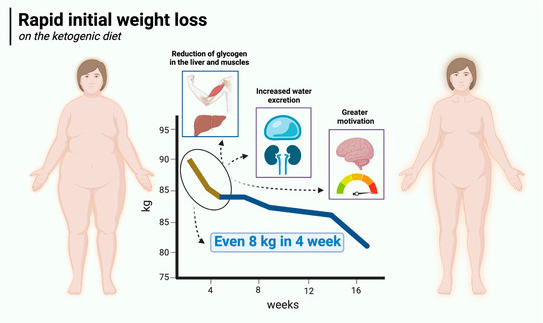
Rapid dieting techniques have gained significant attention, largely due to their promise of quick results. Various methods, including fad diets, extreme calorie restrictions, and detox regimens, fall under this category. Fad diets often advocate for the elimination of entire food groups or promote specific food combinations that are deemed to yield weight loss in a short time. For instance, the ketogenic diet, which emphasizes high fat and low carbohydrate intake, is popular for its potential to induce rapid fat loss.
Extreme calorie restriction is another facet of rapid dieting, where individuals consume an exceedingly low number of calories daily. This can lead to swift weight loss; however, it often causes nutritional deficiencies and metabolic imbalances. Such practices can be appealing for those seeking to shed pounds quickly, as the initial weight loss can be dramatic, often leading to heightened motivation.
Detox diets, which commonly involve juices or cleanses, are designed to eliminate toxins from the body while promoting weight loss. Proponents of detox diets often argue that these cleanses stimulate weight loss quickly and improve overall well-being. However, the scientific community raises concerns regarding their efficacy and safety, as these diets can strip the body of essential nutrients.
Despite the allure of losing weight rapidly, it is crucial to acknowledge the potential risks and consequences associated with these techniques. Many people experience rebound weight gain after returning to normal eating patterns, as rapid weight loss often involves the loss of water weight rather than fat. Moreover, engaging in such restrictive diets can lead to disordered eating habits and a fraught relationship with food.
In light of the popularity of rapid dieting techniques, one must weigh the immediate results against the long-term implications for health and well-being.
Physical and Psychological Effects of Each Approach
Sustainable fat loss and rapid dieting represent two distinct methodologies for weight management, each with its own physical and psychological ramifications. Sustainable fat loss typically emphasizes gradual changes through balanced nutrition and regular physical activity. This approach fosters metabolic stability, as it allows the body to adjust to new energy intakes without significant metabolic disruption. Meanwhile, the gradual process aids in preserving lean muscle mass, which is crucial for maintaining a healthy metabolism. Often, individuals adopting sustainable fat loss strategies report increased energy levels and better overall physical health, contributing positively to their psychological well-being.
Conversely, rapid dieting often entails severe caloric restriction or extreme dietary changes that may impact physical health adversely. Short-term weight loss can trigger metabolic adaptations, leading to a potential decrease in basal metabolic rate, making weight maintenance difficult. Furthermore, the quick loss of weight can result in muscle loss and nutrient deficiencies, as the body may not receive adequate vitamins and minerals necessary for optimal functioning. These negative physical outcomes can contribute to feelings of fatigue and decreased motivation, leading to a vicious cycle where the dieter struggles to maintain their weight loss.
Psychologically, sustainable fat loss tends to promote a more positive relationship with food, as it encourages individuals to adopt healthier habits rather than viewing food as an enemy. On the other hand, rapid dieting can lead to a detrimental cycle of yo-yo dieting, where individuals develop feelings of guilt or shame related to food choices, often resulting in emotional eating. Moreover, the pressure to achieve quick results can cause heightened stress and anxiety, further exacerbating mental health issues. Overall, the long-term implications of unsustainable dieting practices often outweigh the short-term gains, making the pursuit of sustainable fat loss the more favorable and healthier choice.
Sustainability and Lifestyle Integration
In the realm of weight management, the significance of sustainability cannot be overstated. Sustainable fat loss strategies focus on gradual, achievable changes that can easily be integrated into one’s daily life. Unlike sudden and extreme rapid dieting methods that aim for quick fixes, sustainable approaches consider the individual’s long-term health and well-being. This type of fat loss encourages individuals to adopt healthier habits, which are more likely to be maintained over time.
Integrating a sustainable fat loss strategy into daily life often involves making small adjustments to diet and physical activity. For instance, incorporating more whole foods, maintaining proper hydration, and engaging in regular physical exercise contributes to a balanced lifestyle. This holistic approach not only aids in fat loss but also improves overall health, enhancing the relationship one has with food and physical activity.
On the other hand, rapid dieting typically promotes drastic calorie restrictions, which can lead to feelings of deprivation. These methods may yield quick results; however, they are often accompanied by negative side effects such as irritability, fatigue, and unhealthy relationships with food. Individuals who turn to rapid weight loss strategies may find themselves cycling through periods of diet and binge, which can disrupt their metabolism and undermine long-term success.
Moreover, those who opt for sustainable fat loss are more likely to experience a sense of empowerment and control over their food choices. This approach fosters a positive mindset, encouraging individuals to view food as nourishment rather than an enemy. Through lifestyle integration and sustainable practices, individuals can achieve lasting results and develop a comprehensive understanding of balanced living, ultimately paving the way for a healthier future.
Success Stories: Real Experiences
In the realm of weight management, the debate between sustainable fat loss and rapid dieting has led many individuals to share their transformative experiences. These real-life stories offer insight into the effectiveness and challenges associated with each approach, revealing significant differences in outcomes over time.
Take, for example, Sarah, a 35-year-old marketing professional who initially turned to rapid dieting to shed pounds quickly before her wedding. Within a few weeks, she lost a notable 20 pounds by following a strict low-calorie diet supplemented with intense exercise. However, after the wedding, Sarah found it difficult to maintain her new weight. Within months, she regained nearly all the weight and experienced feelings of frustration and defeat. Sarah later sought guidance from a nutritionist, focusing instead on sustainable fat loss strategies, which incorporated balanced meals, mindfulness, and consistent physical activity. Over two years, she not only reached her goal weight but has also maintained it with a healthier relationship with food.
Conversely, Mark, a 45-year-old father of three, opted for a sustainable fat loss approach from the start. He embraced small, manageable changes such as incorporating whole foods, regular exercise, and hydration. His journey was gradual, with an average loss of about 1-2 pounds per week. While the process was slow, Mark found that he was able to maintain his weight loss, resulting in over 50 pounds lost within a year. His story highlights the emotional stability and long-term consistency achievable through sustainable fat loss strategies.
These narratives illustrate that while rapid dieting tend to offer immediate results, sustainable fat loss promotes a more enduring lifestyle change. Challenges exist in both methods, yet the emphasis on sustainability appears to offer a more promising path for long-lasting success in weight management.
Expert Opinions and Scientific Insights
In recent years, the discourse surrounding sustainable fat loss versus rapid dieting has garnered significant attention from nutritionists, dietitians, and fitness experts. Many professionals argue that sustainable fat loss is not only more effective in the long term but also poses fewer health risks compared to rapid dieting methods. Renowned dietitian Dr. Lisa Young emphasizes that sustainable fat loss should prioritize a balanced diet, incorporating whole foods, proper hydration, and regular physical activity. These principles help in maintaining a healthy metabolism and can lead to effective weight management over time.
Scientific studies have corroborated these expert opinions. Research published in the American Journal of Clinical Nutrition has shown that individuals who adopt gradual weight loss strategies—typically defined as losing 1-2 pounds per week—are less likely to regain weight after their diet compared to those engaging in rapid weight loss methods. Moreover, the latter can lead to a range of metabolic complications, including nutrient deficiency and loss of lean muscle mass. Such findings advocate for weight loss strategies that facilitate gradual adjustments to dietary habits and lifestyle.
Furthermore, fitness expert Dr. Michael Greger notes that rapid dieting can result in a psychological toll, often leading to disordered eating patterns. Sustainable fat loss, on the other hand, promotes a healthier relationship with food, as it encourages awareness and mindfulness in eating habits. By fostering an environment conducive to slow and steady progress, individuals are more likely to perpetuate their healthier choices long-term, reducing the cyclical nature of fad dieting.
In conclusion, when considering fat loss strategies, both expert insights and scientific research tend to favor sustainable methods over rapid dieting. This approach not only supports physical health but also encourages a holistic, balanced lifestyle.
Making an Informed Choice
When embarking on any fat loss journey, it is crucial to understand that the right choice often hinges on a myriad of personal factors including individualized goals, existing health conditions, and overall lifestyle preferences. Sustainable fat loss strategies and rapid dieting are two primary approaches, each catering to different needs and expectations. Understanding these differences is essential for making an informed choice.
Firstly, identify your primary goal. Consider whether it is to achieve quick results for an upcoming event or to instigate long-term lifestyle changes. Rapid dieting might appeal to those who require immediate results, while sustainable fat loss tends to focus on gradual changes that can be maintained over time. This distinction is vital as it influences not just your motivation, but also your adherence to the chosen method.
Secondly, evaluate your current health status. Individuals with specific medical conditions, such as diabetes or cardiovascular issues, should consult with healthcare professionals prior to commencing any diet. A sustainable fat loss approach is generally safer and more manageable for those with health concerns, as it allows for gradual adaptation and is less likely to yield adverse effects.
Lastly, reflect on your lifestyle and preferences. Not all fat loss strategies can seamlessly fit into one’s daily routine. Rapid diets often mandate strict regulations that may cause stress and dissatisfaction, whereas sustainable fat loss promotes a more balanced and flexible approach. Think about your eating habits, cooking skills, and social dining scenarios when deciding on a method.
Ultimately, the choice of the appropriate fat loss strategy must align with personal values, ensuring that the path undertaken not only meets the expectations but also supports overall well-being.
Conclusion: Finding Balance in Fat Loss
In the realm of fat loss, various strategies exist, each presenting unique advantages and challenges. Throughout this comparative analysis, we have explored two primary approaches: sustainable fat loss and rapid dieting. Sustainable fat loss focuses on long-term lifestyle changes that prioritize health, nutritional balance, and overall well-being. This method tends to yield lasting results as it fosters healthy habits that individuals can maintain over time.
On the other hand, rapid dieting is often characterized by drastic caloric restrictions and rapid weight changes. While it may provide immediate results, such approaches frequently lead to strong feelings of deprivation and can result in a cycle of weight regain, undermining long-term health. The risks associated with rapid dieting can include nutritional deficiencies and adverse effects on metabolic health, emphasizing the importance of choosing a method that not only fosters fat loss but also prioritizes overall wellness.
Ultimately, the most effective fat loss strategy is one that incorporates balance. Individuals seeking to lose fat should consider methods that align with their lifestyle, personal preferences, and health needs. Sustainable approaches that promote gradual changes often lead to higher success rates and improved psychological well-being, as they encourage a positive relationship with food and body image.
In conclusion, prioritizing health, well-being, and sustainability in fat loss strategies holds the key to enduring, effective results. By understanding the distinctions between sustainable fat loss and rapid dieting, individuals can make informed decisions tailored to their personal circumstances, facilitating their journey towards healthier living.